
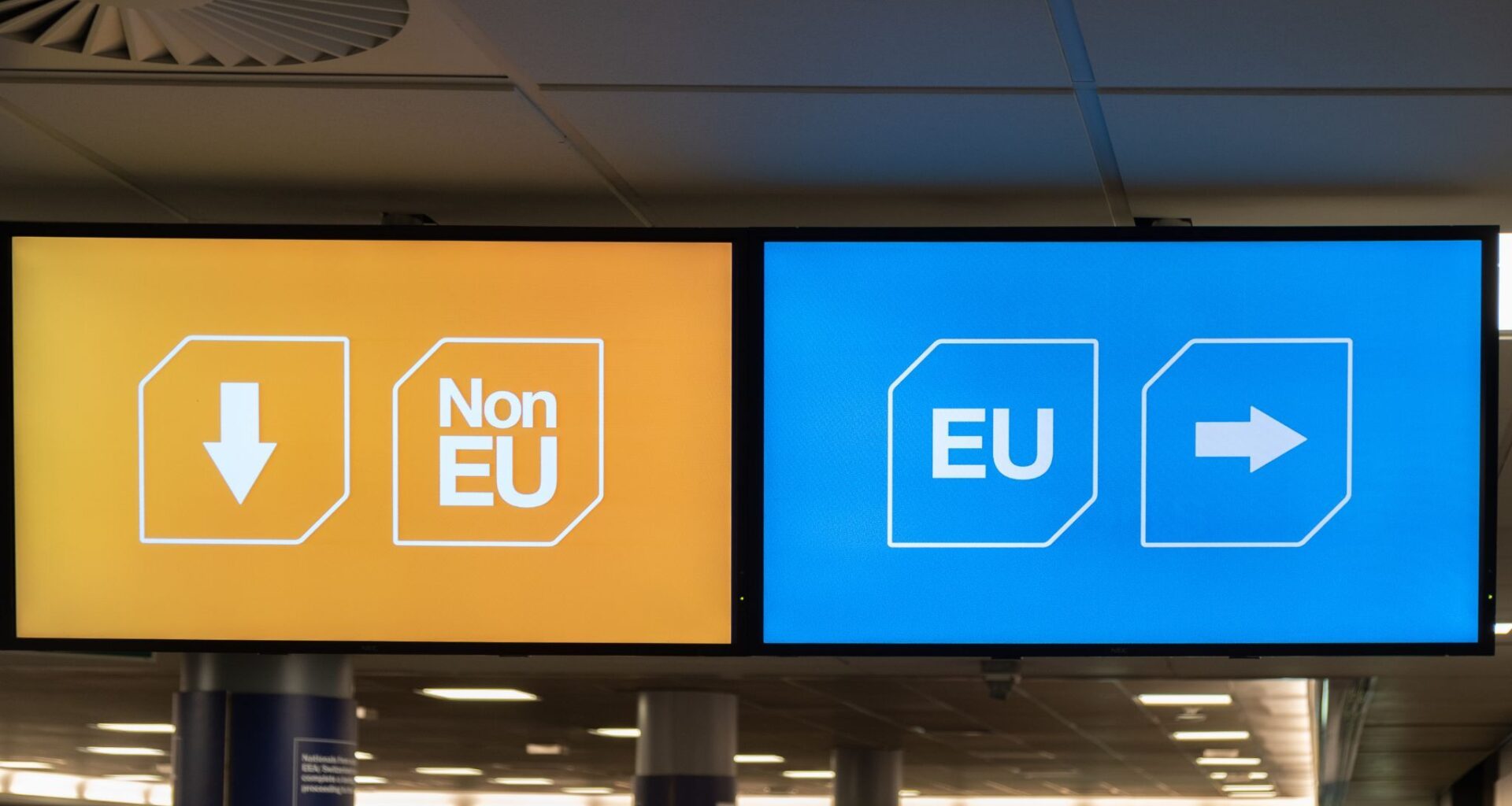
Canadians travelling to Europe should be aware of the new Entry/Exit System (EES) that just kicked in.
If you plan on checking the Colosseum in Rome off your bucket list this summer or want to eat your heart out in Paris, entering Europe will be a little different moving forward.
In October, the European Union launched the Entry/Exit System (EES), with the new system gradually being rolled out at border crossing points. However, the data collection system is now in full effect.
“From 10 April 2026, the EES will be fully operational at all external border crossing points of the European countries using the system,” reads the website.
Thousands of travellers have already been denied entry since the EES’ rollout on Friday, according to reports.
What is the EES?
Ivan Marc/Shutterstock
The automated border security measure was created to replace time-consuming manual checks by making it “modern and efficient.”
So if you’re heading to Europe for a short stay, you’ll need to register for the EES self-service system if you have a non-EU passport. It applies to tourists who have a short-stay visa or those who don’t need a visa to stay for a maximum of 90 days in a 180-day period.
The system collects your travel details, such as your entry and exit dates, as well as your biometric data, such as facial images and fingerprints. You can still enter Europe if you have a non-biometric passport, but only travellers with biometric passports will be able to use the system.
The system was gradually deployed over six months across the external borders of 29 European countries.

travel-europe.europa.eu
How does the EES work?
SubstanceTproductions/Shutterstock
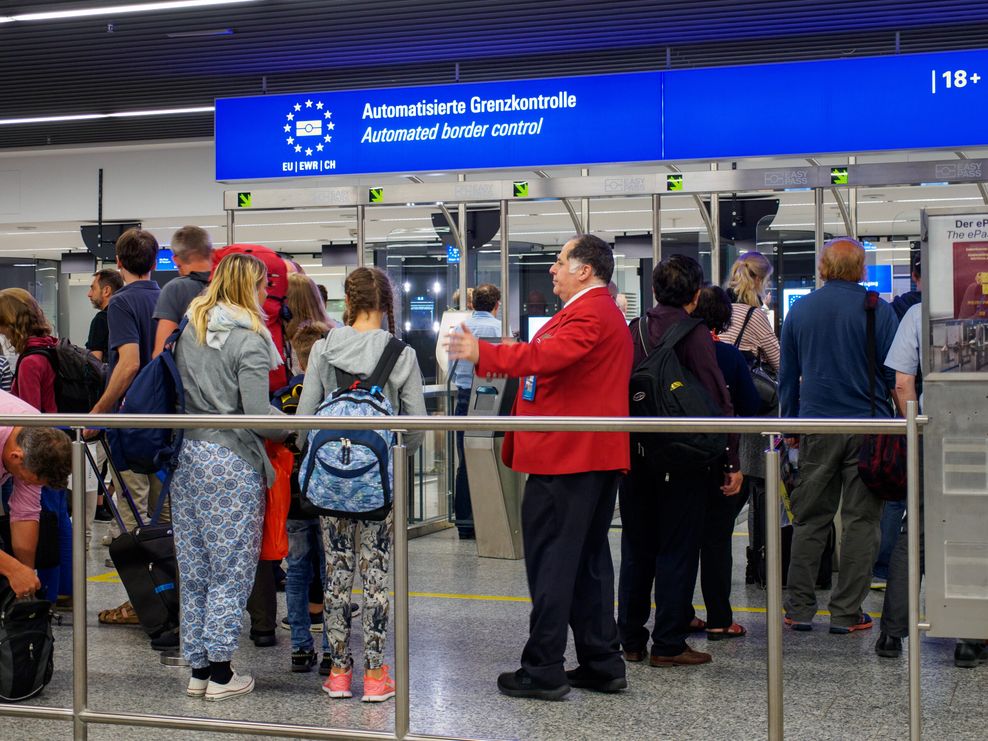
If it’s your first time arriving in Europe once the EES has been implemented, you’ll have to provide your personal information. Upon arriving, officers will take a photo of your face and/or scan your fingerprint.
In addition to your biometric data, EES records information in your passport (full name, date of birth, etc.), as well as the date and place of each entry and exit. The system will also record data on travellers who are refused entry.
Travellers can speed up the process by registering in advance. You can do so by using the self-service system at the border crossing point (if you hold a biometric passport) or through a mobile app.
In any of these instances, you will still meet a passport control officer. The process will be faster the next time you cross the border, as they’ll only need to verify your fingerprints and photo, which will take less time.
BalkansCat/Shutterstock
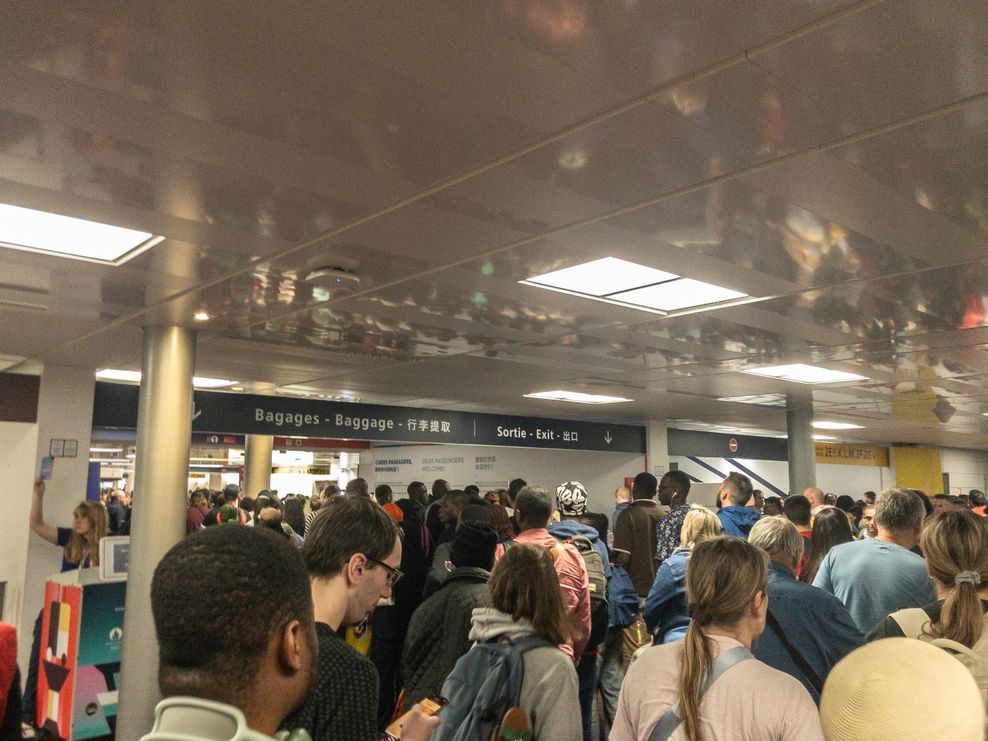
Travellers can probably expect some teething issues with the system’s full implementation.
According to the BBC, the rollout has resulted in hours-long lines, chaos, and missed connections. Travellers should take this into account by giving themselves more time, choosing longer layovers so they don’t miss their connecting flight, and checking with the airport or airline for real-time information on wait times.
However, experts say the lines should ease up in the months after April.
Visit the EES website for more information.