

There’s been a major change to entry requirements for countries within European Union
The UK Foreign Office has updated guidance for countries across the European Union, including Spain (Image: Getty Images)
British travellers heading to countries within the European Union have been issued an update by the Foreign Office as new entry requirements come into effect.
From April 10 the EU’s Entry/Exit System was fully rolled out across the Schengen area, which includes popular holiday destinations like Spain, Greece and France. The much-delayed EES was initially launched in October last year with a gradual rollout, but now it is fully operational throughout the EU.
Under this system third country nationals, which includes Brits, will need to provide their fingerprints and have their photo taken at the border to create a digital record. This will then be valid for three years with subsequent visits requiring just one set of biometric data.
Get MEN Premium now for just £1 HERE – or get involved in our WhatsApp group by clicking HERE. And don’t miss out on our brilliant selection of newsletters HERE.
The aim of the EES is to replace passport stamping and to monitor visitors’ stay within the Schengen area. Currently third country nationals can only stay for a maximum of 90 days within any 180-day period.
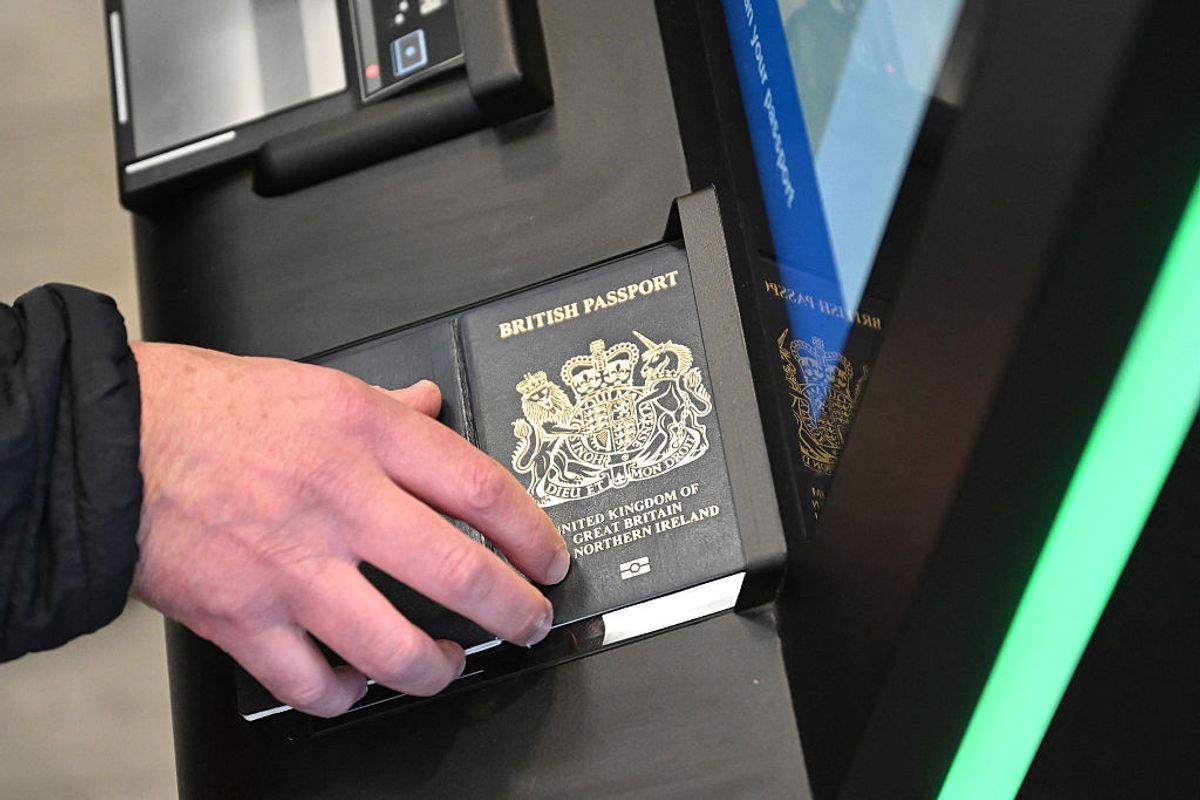
A person as their passport scanned whilst using an Automated European Union Entry/Exit System (EES)(Image: AFP via Getty Images)
On April 10 the Foreign Office updated its travel guidance for countries within the EU. It explains how the process works but also warns of longer queues at the EU border. The update states: “The European Union’s (EU) new Entry/Exit System (EES) is now being implemented across the Schengen area.
“This means that when you travel into the Schengen area for short stays, you may need to register your biometric details, such as fingerprints and a photo. You do not need to take any action before you arrive at the border, and there is no cost for EES registration.
“On your first visit into a Schengen country, you may be asked to register your details at a special booth before proceeding to the immigration desk. Follow directions from your travel operator or the staff at your port of entry. You may also need to provide either your fingerprint or photo when you leave the Schengen area. Children aged 11 or younger will not have their fingerprints scanned but can be required to have their photo taken.
“EES may take each passenger extra time to complete so be prepared to wait longer than usual at the border. EES is replacing the previous system of manually stamping passports when visitors arrive in the Schengen area for short stays. You may be asked to input biometric details every time you enter or exit.
“If you enter the Schengen area through the Port of Dover, Eurotunnel at Folkestone or Eurostar at St Pancras International, any information will be taken at the border before you leave the UK. Your digital EES record is valid for 3 years.”