
Sitting Democratic Governor Gavin Newsom cannot run again due to term limit rules, and other politicians with statewide name recognition – such as former Vice-President Kamala Harris – declined to run. Eight serious but lesser-known candidates have struggled gain traction in California’s enormous and expensive media market.
In March, an opinion poll by University of California Berkeley’s Institute of Governmental Studies caused a political earthquake, suggesting that two Republican candidates were garnering the most support among voters as the packed field of Democrats had splintered their base.
Thanks to the California’s primary system – which allows the top two vote-winners to compete in the general election regardless of party – such a result in June could mean there aren’t any Democrats on the gubernatorial ballot in November, in a state that hasn’t had a Republican governor since Arnold Schwarzenegger left office in 2011.
The outcome of the race could have implications for Democrats beyond California’s borders. The state is the fifth-largest economy in the world, and its environmental, consumer and tech policies often inspire regulations nationwide.
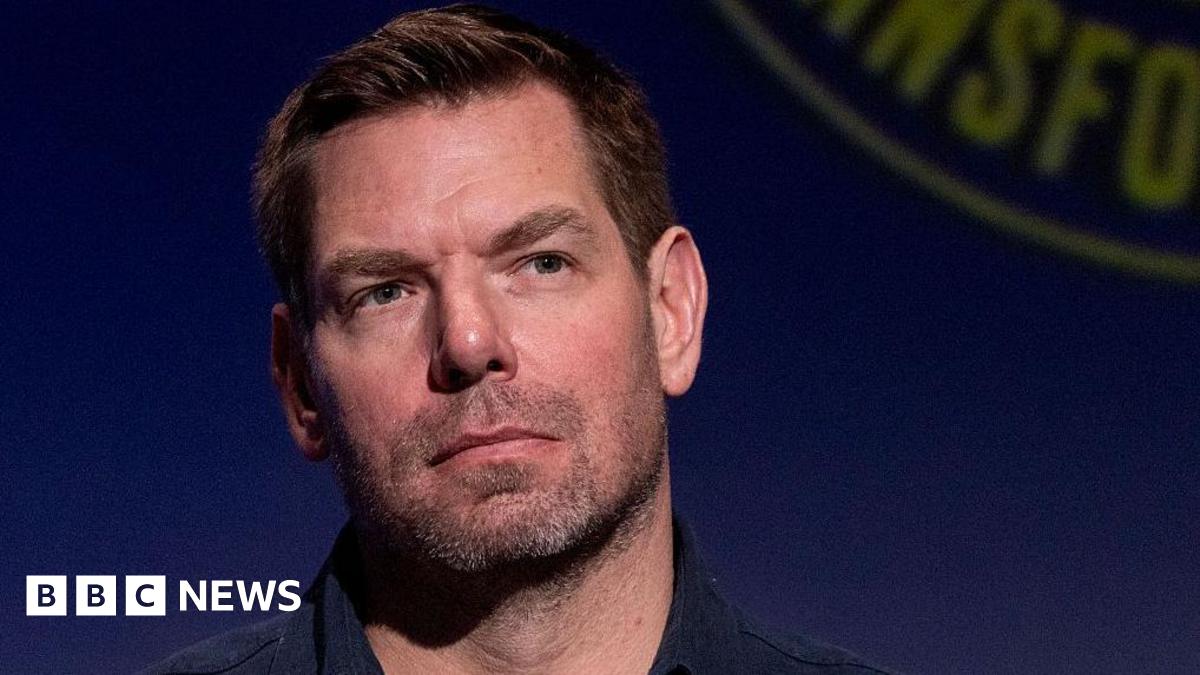
Swalwell had started to gain momentum in recent weeks, breaking out from the Democratic pack. State Democrats had hoped he could surge enough to guarantee them a spot in the general election. But with Swalwell gone, it’s not clear which candidate could absorb his momentum.
“This is the most unsettled race for California governor I’ve ever seen,” said Garry South, a long-time Democratic strategist who has managed four gubernatorial campaigns in the state.
“The Democratic field was already pretty muddled, even after Swalwell took a small lead,” he said. “Now, it’s just an outright morass.”