
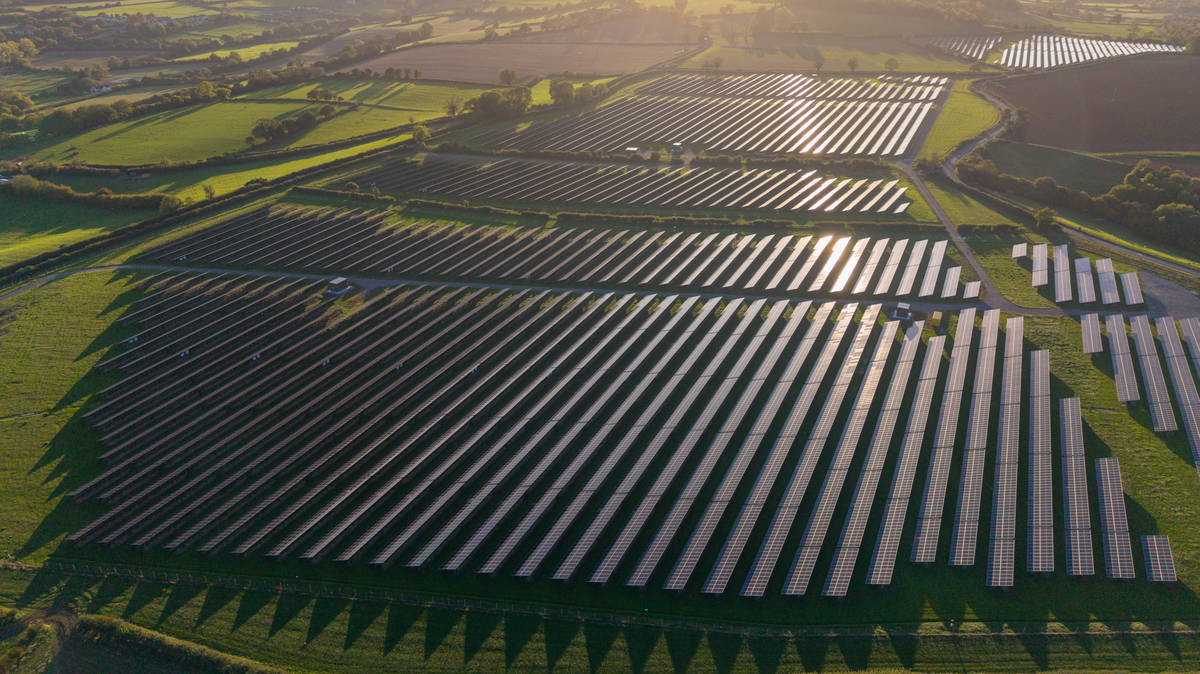
Households could be paid to run appliances like washing machines, dishwashers and charging electric vehicles at certain times.
Want LBC stories before everyone else? Set us as your Preferred Source on Google
Excess solar power is threatening to spark instablity in the UK power grid this summer.
Picture:
Getty
Britons could be paid to use excess power on sunny days as energy bosses draw up plans to prevent the electricity grid from being overwhelmed by solar power this summer.
The National Energy System Operator (Neso) warned in its summer outlook it will need to use “more tools, more often” to maintain stability in power networks during periods of sunny weather, which could spark surges in energy generation.
Power stations could also face unprecedented orders to temporarily shut down their operations under the plans.
Meanwhile, the Iran war will send prices surging due to the UK’s reliance on gas, the outlook published on Tuesday warned.
But it said electricity is likely to be in ample supply this summer due to the country’s vast solar power network.
However, Neso has warned excessive solar use and “low demand” periods make the grid unstable and harder to manage.
Read more: Britons turn to solar power to ‘insulate’ against oil and gas chaos, says E.On
Read more: Gas supplies ‘can meet British demand over summer’ despite Iran war disruption
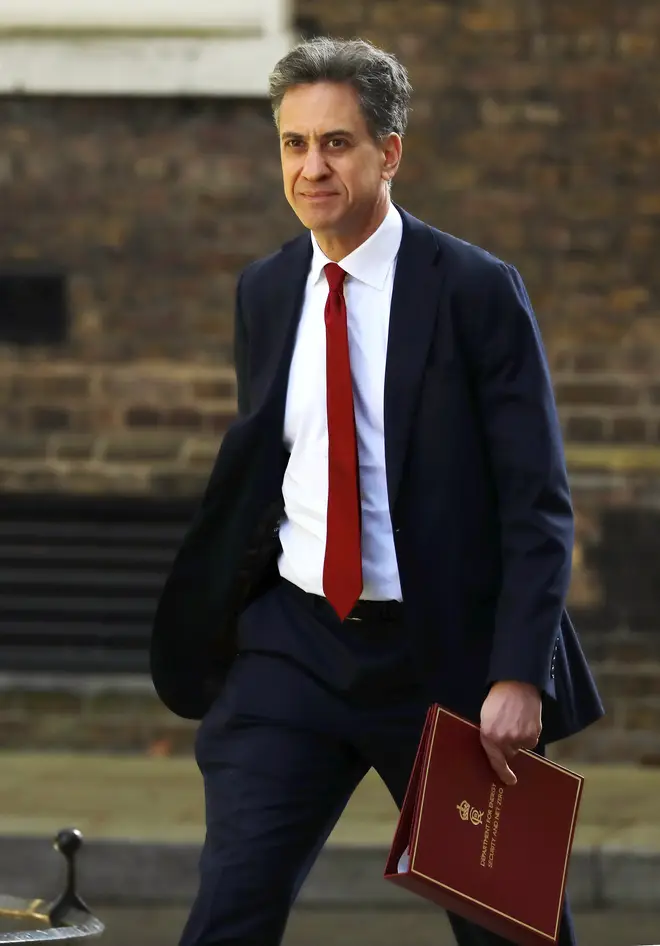
Ed Miliband, Secretary of State for Energy Security and Net Zero, is spearheading an expansion if the coutry’s solar power network.
Picture:
Getty
As a result, it is making changes to its Demand Flexibility Service (DFS) “to encourage consumers and industry to shift their energy use to times when weather conditions result in excess supply”.
This could mean “running appliances like washing machines or dishwashers and charging electric vehicles” at certain times.
Britain is also expected to have sufficient gas supply to meet demand from households and businesses this summer despite prices surging amid the conflict in the Middle East, according to the country’s gas system operator.
National Gas said gas stocks in the UK will even be full enough to allow some supplies to be exported to mainland Europe.
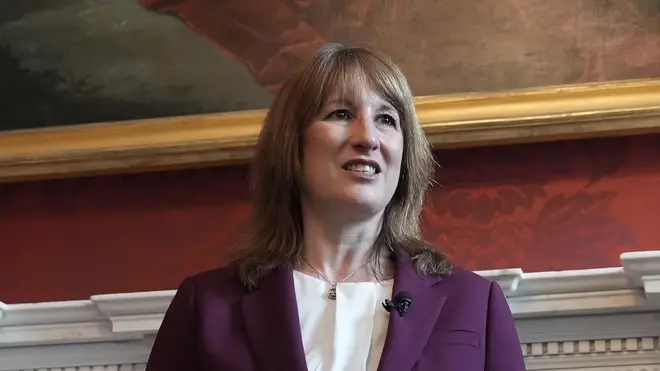
Chancellor Rachel Reeves.
Picture:
Getty
It comes as Chancellor Rachel Reeves said families and businesses across Britain are bearing the cost of instability “they did not cause” as a result of the conflict in the Middle East.
Ms Reeves made her comments ahead of the International Monetary Fund’s spring meetings in Washington DC, where she is set to urge coordinated action to tackle the global economic shock caused by the war.
The IMF is due to publish its world economic outlook later, with updated growth and inflation forecasts around the globe.
Ms Reeves said: “Families and businesses across Britain are bearing the cost of instability they did not cause. These are not costs I wanted, but they are costs we will have to respond to.
“The Iran conflict must be a line in the sand on how we deal with global crisis and instability.“I will go to America with a clear message: global leaders must take co-ordinated economic action and supercharge the path to energy security to protect ourselves in the future.”
The price of oil and gas has jumped sharply since the start of the conflict between US-Israeli and Iranian forces in late February.UK natural gas futures had risen to around 120.7 pence per therm on Monday, up from around 78 pence per therm before the conflict began.
A number of liquified natural gas (LNG) production facilities in Qatar and other parts of the Middle East have been targeted by missiles, while exports from the region have also been impacted by heavy disruption to the Strait of Hormuz shipping corridor.