
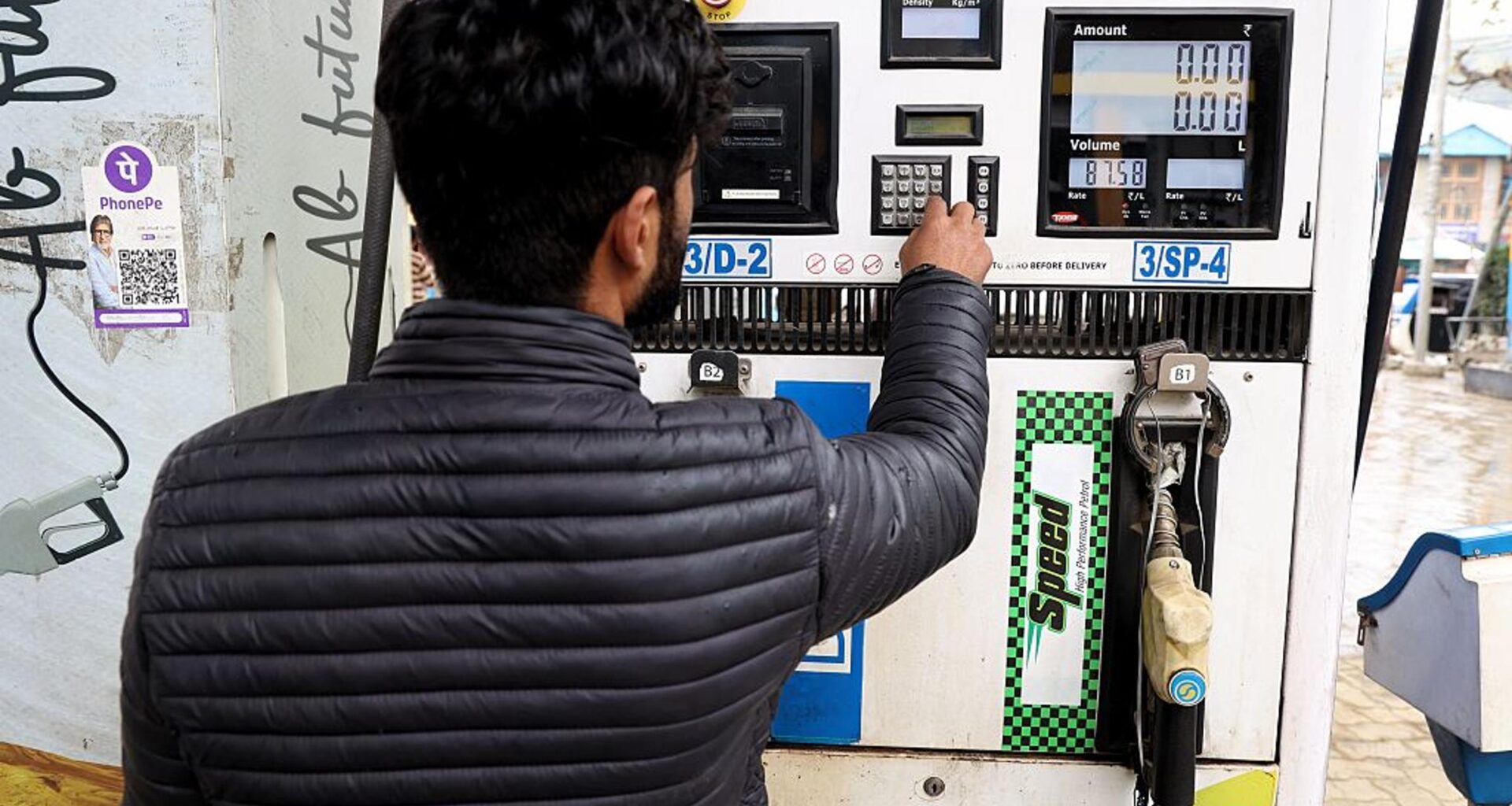
Gourinchas said that quicker uptake of renewable energy could provide more resilience to energy shocks down the line. China, which is a major buyer of Middle Eastern and Iranian crude, has been partly shielded from the energy shock by its shift toward renewable energy over the years, including widespread adoption of electric vehicles. The IMF expects China’s economy to grow 4.4% this year, down 0.1 percentage point from its January forecast. Despite being in a relatively stronger position to sustain energy imports from Russia and Iran, the country faces persistent structural pressures including a weak property market and shrinking workforce.
Economic prospects in the Middle East and Central Asia have been hit particularly hard, as war-driven disruptions to key energy and commodity exports alongside declines in sectors like tourism drag 2026 growth down to 1.9%, a two-percentage-point downgrade. Several economies are projected to contract, including Iran, Qatar, Iraq, Kuwait, and Bahrain. If the conflict ends sooner rather than later, and energy production and shipping are normalized, growth for the region could rebound next year, according to the IMF.And as Treasury Secretary Scott Bessent suggested on Tuesday that Trump’s tariffs could be reinstated as early as July, the possibility of renewed trade tensions could inject fresh volatility into markets, offering little in the way of relief to the world.