
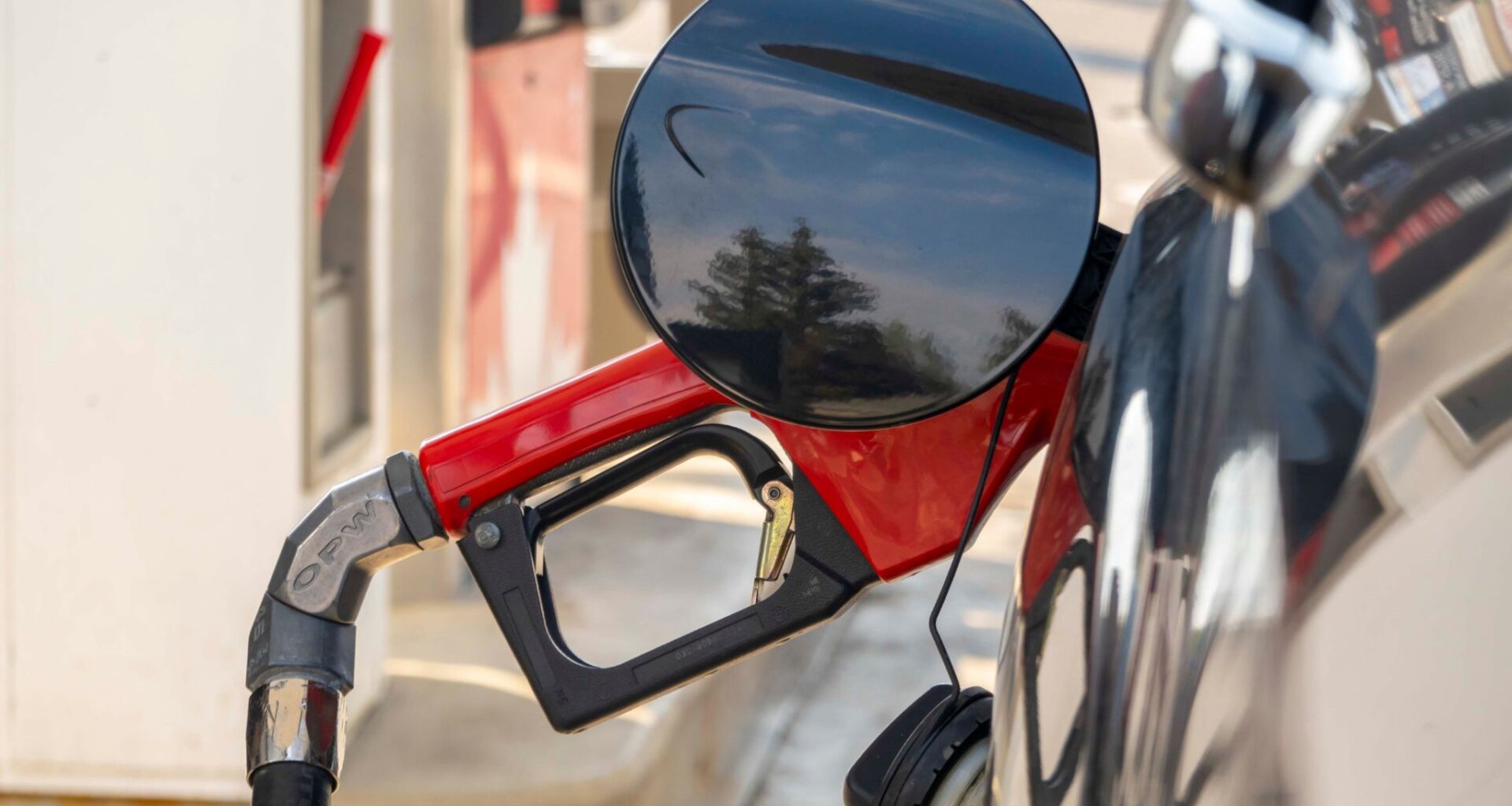
Gas prices have been a rollercoaster ride in B.C. and much of North America over recent weeks since America initiated conflict with Iran, and Prime Minister Mark Carney made a move to improve things, albeit slightly.
The federal government announced that it would temporarily suspend the federal excise tax on gas and diesel. In response, the Canadian Federation of Independent Business is calling on the B.C. government to match the relief through provincial gas taxes.
“Small businesses tell us they are increasingly worried about the impact of rising fuel prices. Those costs are beginning to show up on store shelves and invoices as they get passed onto consumers,” said Ryan Mitton, Director of Legislative Affairs for CFIB in B.C., in a statement.
Without suspending the provincial motor fuel taxes, drivers will be saving around 10 cents per litre on gasoline and four cents per litre on diesel.
Canadians are likely to see a 10c/L drop in gasoline prices and 4c/L drop in diesel pretty quickly starting next Monday with advance warning- this would reduce prices about 6% for gasoline and about 2% for diesel.
— Patrick De Haan (@GasBuddyGuy) April 14, 2026
“Temporarily suspending provincial motor fuel taxes could save drivers up to 27 cents a litre, depending on the scale of relief,” Mitton said.
The CFIB points out that provincial gas taxes impact different cities in different ways. Suspending the taxes would result in 27 cents a litre in savings in Vancouver, 20 cents in Victoria, and around 15 cents for the rest of B.C.
“For a construction contractor working on a project in Vancouver, this tax relief would translate into saving $23.49 on a tank of gas for a standard pickup truck,” the CFIB suggests.
Daily Hive Urbanized got a response to the CFIB’s concerns from B.C’s Minister of Jobs and Economic Growth, Ravi Kahlon.
“We know that British Columbians are concerned about the devastating impacts of this conflict, especially on innocent civilians. We’re likely to see an escalation in tension in that region, given the remarks coming from the president of the United States,” Kahlon said.
He called the federal government’s move a “good interim step” before adding that these are big challenges, both with gas prices and other commodities, that we need the national table to be discussing.”
“That’s why we are pulling together a cross-government provincial task force of ministers to work on preparing B.C. for the continued and potentially expanding reverberations,” Kahlon said.
Kahlon also pointed to the fact that B.C. already took “significant action” to reduce gas prices by eliminating the consumer carbon tax.
“We‘ll keep looking at other measures through the task force, but our focus is broader than fuel prices alone and includes protecting supply chains for essential goods like food, fertilizer and medicine during a period of global uncertainty,” he added.
For now, it doesn’t sound like you should expect any further drops in gas prices, at least not driven by the Province.