
Iran has been demanding an end to Israeli operations against its proxy group Hezbollah in Lebanon since agreeing to a two-week ceasefire with the US earlier this month.
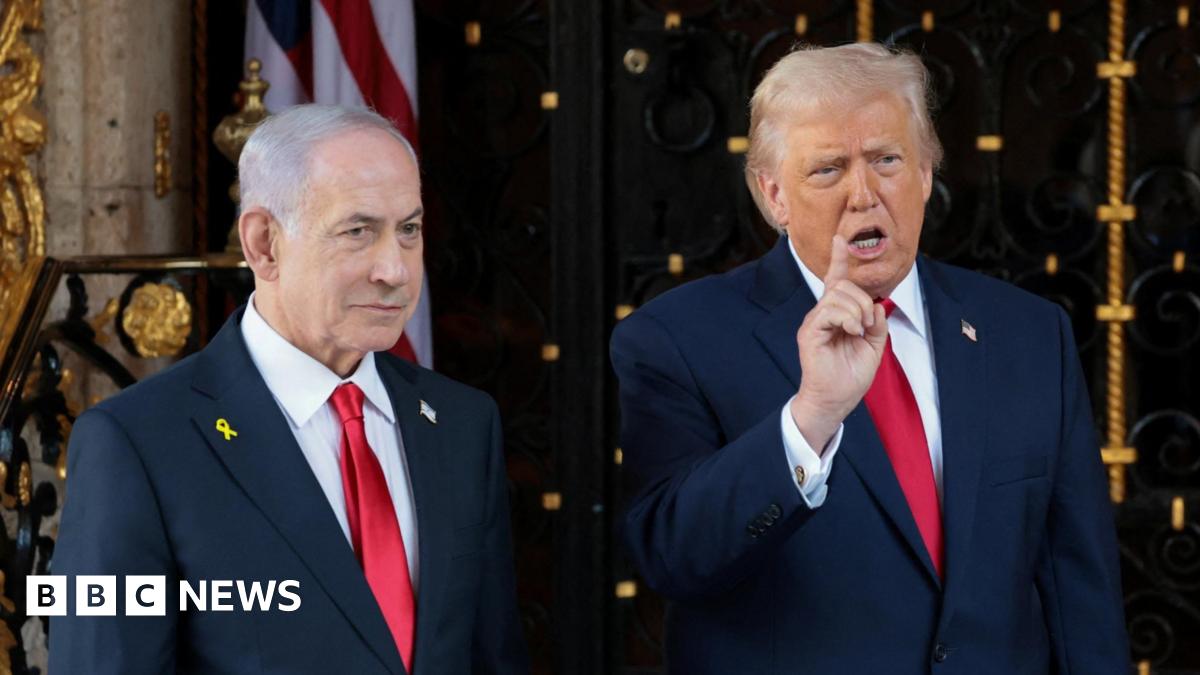
And after initially saying Israel’s military campaign against Hezbollah in Lebanon was “a separate skirmish”, Trump said this week he was trying to create what he called “a little breathing room between Israel and Lebanon”, as US negotiations with Iran falter, and the end of the truce period approaches next week.
Both Netanyahu and Israel’s military leaders have been keen to emphasise in recent days that the ceasefire Trump agreed with Tehran did not mean a ceasefire in Lebanon.
A poll by Israel’s Channel 12 news network last week found that almost 80% of respondents supported continued strikes on Hezbollah.
And three separate surveys suggested a majority of Israelis also opposed to two-week ceasefire Trump agreed with Iran.
“Agreements may be signed with a tie in Washington, but the price is paid in blood and destroyed homes” in northern Israel, the head of the Mateh Asher Regional council, Moshe Davidovich, told Israeli media.
“Residents of the north are not extras in an international public relations show,” he added.
The truce Israel has agreed to in Lebanon states clearly that Israel “preserves its right to take all necessary measures in self-defence, at any time, against planned, imminent or ongoing attacks” – much as it did during the last ceasefire agreed in November 2024, when Israel continued regular strikes against targets it deemed a threat.
Few Israelis see this truce as a way out of the conflict with Hezbollah.
But many see it as further proof that their leader is again under pressure to align with Washington’s interests – and that the war goals of their key US ally are not always the same as their own.