
The International Energy Agency warned that Europe has “maybe 6 weeks or so (of) jet fuel left” as oil prices climb due to the continued closure of the Strait of Hormuz, describing it as “the largest energy crisis we have ever faced.”
IEA Executive Director Fatih Birol indicated that flight cancellations could occur “soon” if oil prices stay at current levels.
“In the past, there was a group called ‘Dire Straits.’ It’s a dire strait now, and it is going to have major implications for the global economy. And the longer it goes, the worse it will be for the economic growth and inflation around the world,” he stated.
Speaking with The Associated Press, he warned the consequences would include “higher petrol [gasoline] prices” and “high electricity prices.”
Following the spectacular failure of initial discussions, Iran and the U.S. are now gearing up for a second round of peace talks and negotiations, reports Mirror US.
The U.S. has imposed a blockade on the Strait of Hormuz, preventing vessels departing from Iranian ports from passing through. President Donald Trump has characterized the blockade as integral to his strategy to reopen the strait.
‘The largest energy crisis we have ever faced’
Birol noted that the economic consequences of rising oil prices will not be distributed equally across nations. Certain countries may be “hit worse than the others,” he explained, identifying Japan, Korea, India, China, Pakistan and Bangladesh as nations that will bear the brunt of the energy crisis. “The countries who will suffer the most will not be those whose voices are heard a lot. It will be mainly the developing countries. Poorer countries in Asia, in Africa, and in Latin America,” he stated. “Then, it will come to Europe and the Americas.”
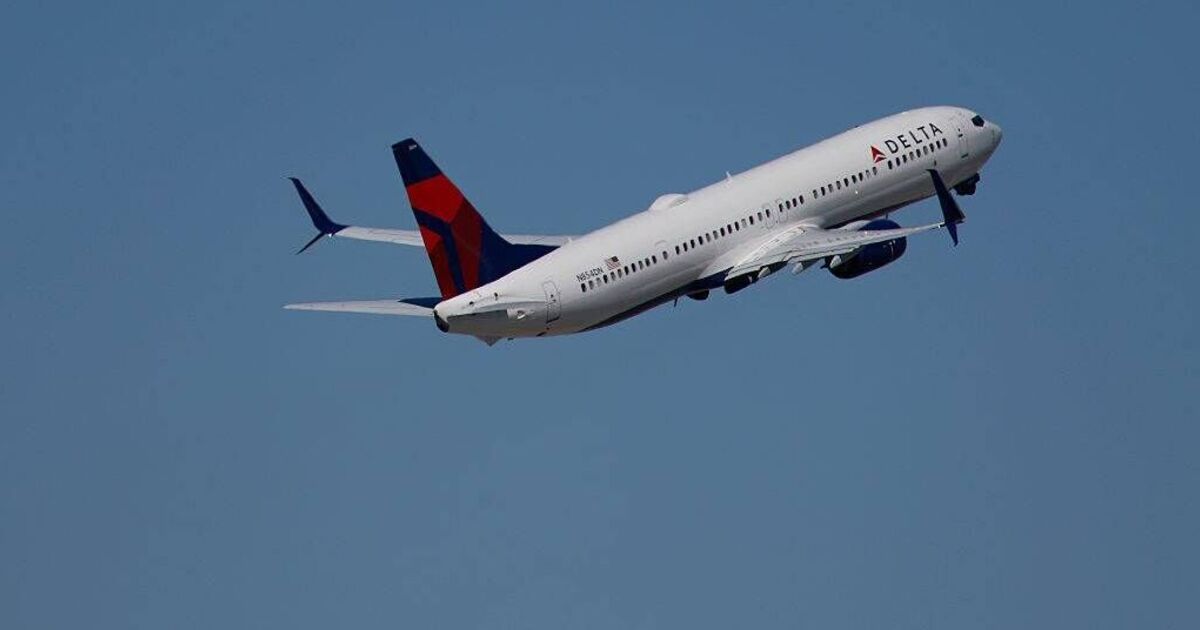
Following that, flight cancellations are expected to begin. Regarding Europe in particular, Birol warned “we will hear the news that some of the flights from city A to city B might be canceled as a result of [a] lack of jet fuel.”
He further criticized Iran’s “toll booth” approach to certain vessels, imposing charges for passage through the strait. Permitting such measures to become permanent risks establishing a precedent that could extend to additional waterways, including Asia’s critical Malacca Strait, he noted.
“If we change it once, it may be difficult to get it back,” he stated. “It will be difficult to have a toll system here, applied here, but not there.”
He emphasized that he “would like to see that the oil flows unconditionally from the point A to point B.”