
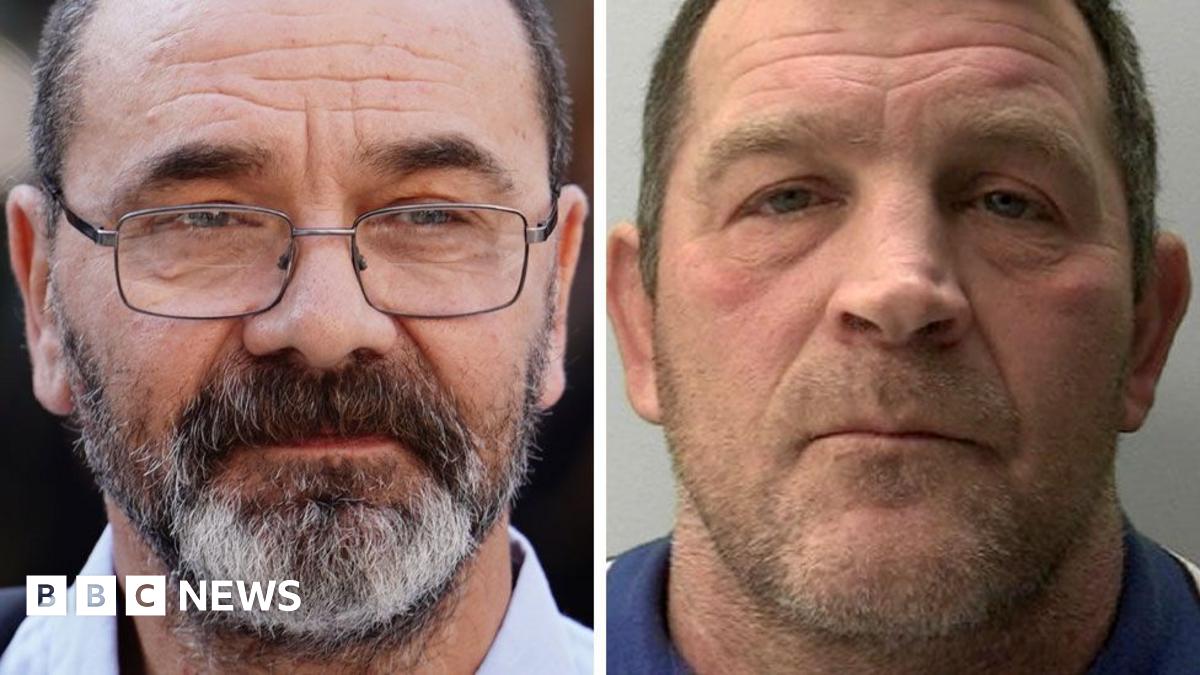
So why did the police have Quinn’s DNA to find the match in 2022?
BBC News can now report that he was a convicted sex offender.
When Quinn was 16, he was charged with two counts of unlawful sexual intercourse with a 12-year-old girl. That offence would today be charged as rape, according to detectives.
He was convicted and received a community order in November 1991 – four years before the launch of the National DNA Database, which now stores millions of DNA profiles and samples collected from around hundreds of thousands of crime scenes.
In 2010, Parliament passed a law ordering people convicted of sexual offences before the database was set up to provide samples. And two years later, officers knocked on Quinn’s door.
We don’t know what he thought in that moment – but by 2019, the trial heard, he was showing an unusual interest in Malkinson.
The trial heard his internet history showed he had looked up news reporting of the 2004 trial – and then he searched “wrongly convicted cases uk”.
Why would Quinn be interested in a 15-year-old case, prosecutor John Price KC asked in court.
In July 2022, investigative journalist Emily Dugan, now with the Sunday Times, reported there had been a new forensic find in the Malkinson case – a reference to the DNA work carried out by Appeal.
“How long is dna kept in database,” Quinn soon searched. And later “why am I sweating so much all of a sudden”.
At that time, he was living in Exeter, having split up from his wife. And detectives say that when they knocked on his door in 2022, he’d had ample time to come up with a story and deny rape.
“How has your DNA, which is one in one billion, ended up on her top?” he was asked in a police interview.
“I really don’t know, because I did not do this offence,” he replied.
“I weren’t loyal. We did go out partying. We did have a lot of female friends. We never seemed to have a night out where we didn’t end up at a house party, or we cop off with girls. I admit I’ve cheated on my wife hundreds of times with girls that we’ve met on nights out.”