
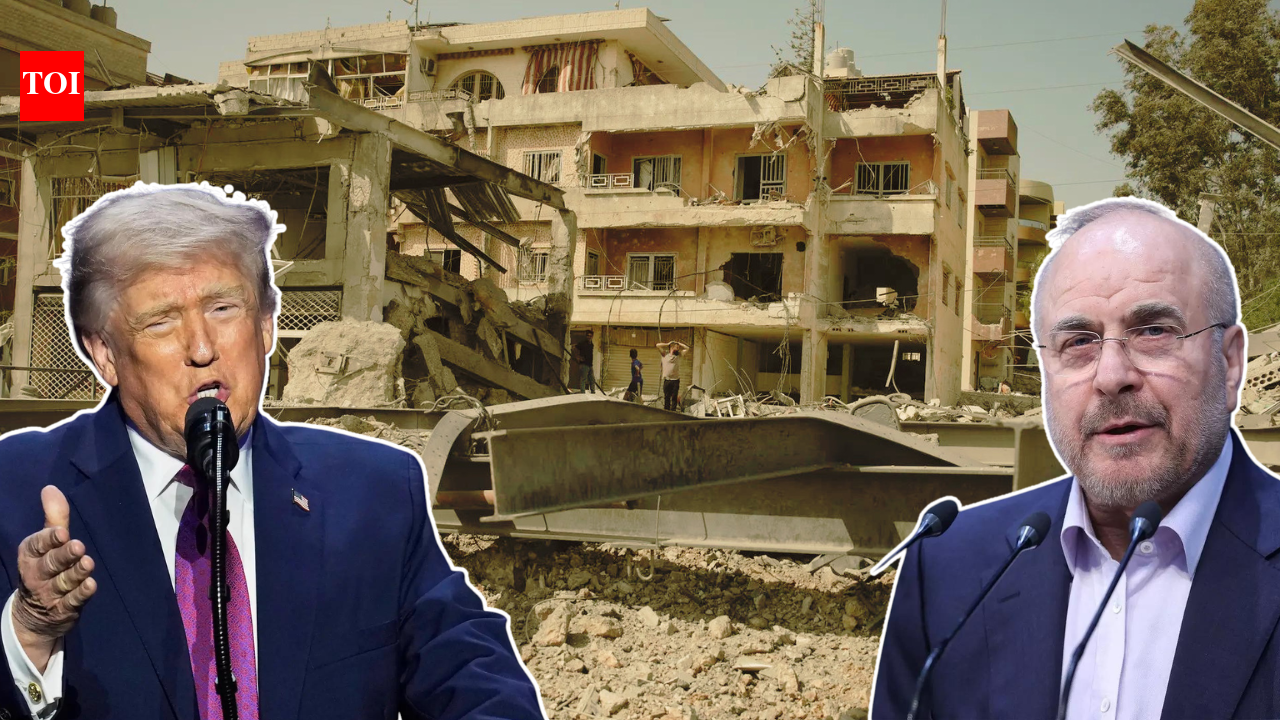
The Middle East crisis continues to evolve across multiple interconnected fronts, with diplomacy, military action, and global energy markets all reacting to rapid developments.
At the centre of tensions is Iran’s nuclear programme. Tehran has categorically rejected claims by US President Donald Trump that it has agreed to transfer enriched uranium to the United States. Iranian officials insist that the country’s stockpile “is not going to be transferred anywhere,” and that the issue has not featured in formal negotiations. They have further emphasised that Iran’s position remains unchanged under international nuclear agreements, and any suggestion of a uranium handover is “not grounded in talks.”
Despite this denial, Trump has repeatedly claimed that a potential agreement is nearing completion. He has stated that “no sticking points” remain and that a deal with Iran is “very close.” His remarks also included assertions that Washington could collaborate with Tehran to recover nuclear material from previously struck sites, while maintaining economic and naval pressure until a formal agreement is signed.
A second major development is the strategic importance of the Strait of Hormuz. Iran’s announcement that the waterway has been reopened to commercial vessels has had immediate global economic impact, sending oil prices sharply lower. Brent crude fell from peaks near $120 per barrel to around $90.38, easing inflation concerns in global markets. However, uncertainty remains as competing statements suggest continued restrictions and oversight of shipping routes, with Washington insisting that maritime pressure will remain until broader political conditions are met.
On the diplomatic front, Lebanon has entered what its leadership describes as a “new phase” following a ceasefire agreement with Israel. President Joseph Aoun emphasised that upcoming talks with Israel are not concessions, but necessary steps to preserve sovereignty and stability. Nevertheless, sporadic violence continues despite the truce, highlighting the fragility of the arrangement.
International actors are increasingly involved. France and the UK have announced plans for a multinational mission to secure navigation in the Strait of Hormuz, while US and Saudi officials have discussed both maritime security and ceasefire consolidation. Reports also indicate that Pakistan may host future US-Iran talks, signalling broader regional mediation efforts.
Economically, oil markets have responded with sharp volatility, while defence and aerospace sectors are experiencing increased demand linked to sustained regional conflict.
Key Takeaways
Iran denies US claims of uranium transfer; insists issue never part of talks
Trump claims Iran deal “very close,” continues pressure via naval and economic measures
Strait of Hormuz reopening triggers oil price crash, easing global market fears
Lebanon ceasefire holds but remains fragile amid sporadic violence
Multinational naval/security initiatives emerging (UK-France-led mission)
US-Saudi coordination ongoing on Hormuz and Lebanon stability
Pakistan reportedly emerging as possible venue for US-Iran talks
Regional conflict remains unresolved despite diplomatic optimism and market relief