
Topline
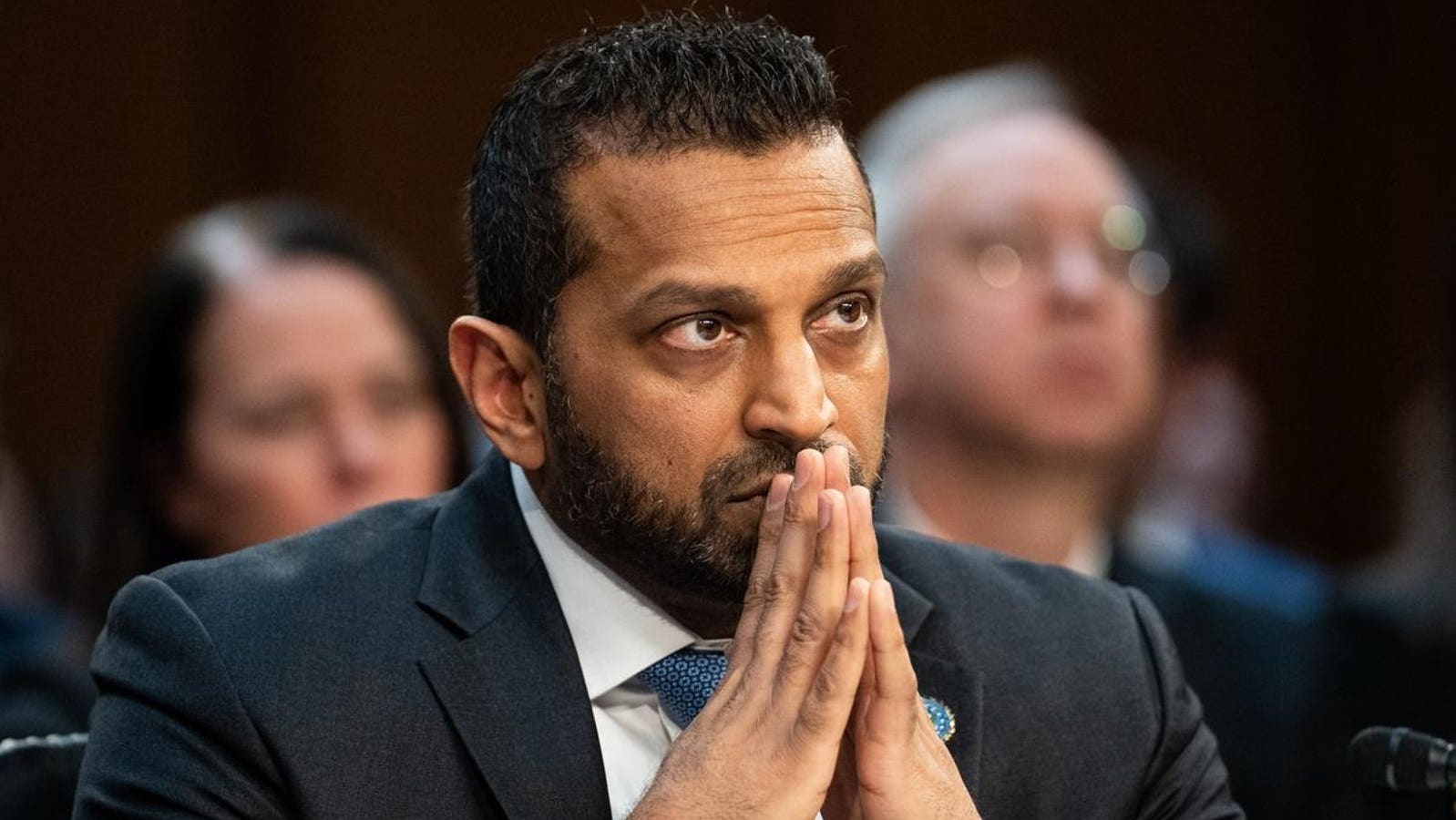
FBI Director Kash Patel sued The Atlantic on Monday, seeking $250 million in damages for what he’s called “hit piece lies” after the magazine published a story detailing claims about his alleged frequent absences and excessive drinking, according to a civil complaint.
The FBI director promised to sue the magazine after the story was published.
CQ-Roll Call, Inc via Getty ImagesKey Facts
The suit, filed in the U.S. District Court for the District of Columbia on Monday, named The Atlantic Monthly Group and the article’s author, Sarah Fitzpatrick, calling the story published last Friday a “sweeping, malicious, and defamatory hit piece.”
The complaint insists the specific claims of Patel’s “erratic behavior and excessive drinking” were false, and says they came from anonymous “partisans with axes to grind and are not in a position to know the facts.”
Patel’s suit says the accusations of “unexplained absences” were also false, claiming that he is at the FBI headquarters or visiting a field office “nearly every single day.”
The suit also accuses The Atlantic of not giving Patel enough time to provide a “substantive response” to all of the allegations, noting that the magazine reached out for comment less than two hours before publishing.
It also accuses the magazine of ignoring a letter sent by Patel’s lawyers they say refuted some of the allegations in the story—insisting this and the refusal to extend their deadline meets the “actual malice” standard required for a defamation suit.
Crucial Quote
“We stand by our reporting on Kash Patel, and we will vigorously defend The Atlantic and our journalists against this meritless lawsuit,” The Atlantic’s senior vice president of communications Anna Bross told Forbes in a statement on Monday. An attorney for Patel did not immediately return a request for comment from Forbes. In an interview with Reuters, Patel called the story a “big lie,” insisting “they were given the truth before they published, and they chose to print falsehoods anyway.”
How Difficult Will It Be For Patel To Win?
The standard for public officials to actually win libel cases was set after the New York Times won the Supreme Court case New York Times Co. v. Sullivan in 1964. According to that precedent, public officials must prove a story was published “with knowledge that it was false or with reckless disregard of” the truth. This makes it incredibly hard for major public officials to bring these cases against journalists and publishers, but Patel’s attorneys say The Atlantic’s two-hour deadline given for any response to the allegations, and then not taking into consideration their letter claiming to refute some of the allegations, helps meet the standard.
Key Background
Speaking to Fox News host Maria Bartiromo on Sunday, Patel framed his lawsuit as part of President Donald Trump’s many legal battles against the news media. “We have to fight back against the fake news,” Patel said on Bartiromo’s “Sunday Morning Futures” program. “It’s one of the many things that President Trump is so successful at, and leading out on, because nobody is attacked as baselessly as he is and as much as he is, and our leaders who get attacked under his brilliant leadership must do the same.” Patel also said attacks on him are “indirect attacks” on FBI employees. Trump’s lawsuits against media organizations have had mixed results—judges have dismissed defamation complaints against CNN, the New York Times and most recently the Wall Street Journal for publishing part of a “birthday book” linking him to Jeffery Epstein. But, the president has also successfully convinced major broadcasters to settle—including a $16 million payout from CBS News over a “60 Minutes” edit and $15 million from ABC News over a statement from anchor George Stephanopoulos—cases that legal experts suggest Trump would likely not have won in court, but media companies settled anyway, possible to avoid further legal costs.
Further Reading
Kash Patel Promises He’ll Sue The Atlantic On Monday After Report Of Excessive Drinking (Forbes)
The FBI Director Is MIA (The Atlantic)