
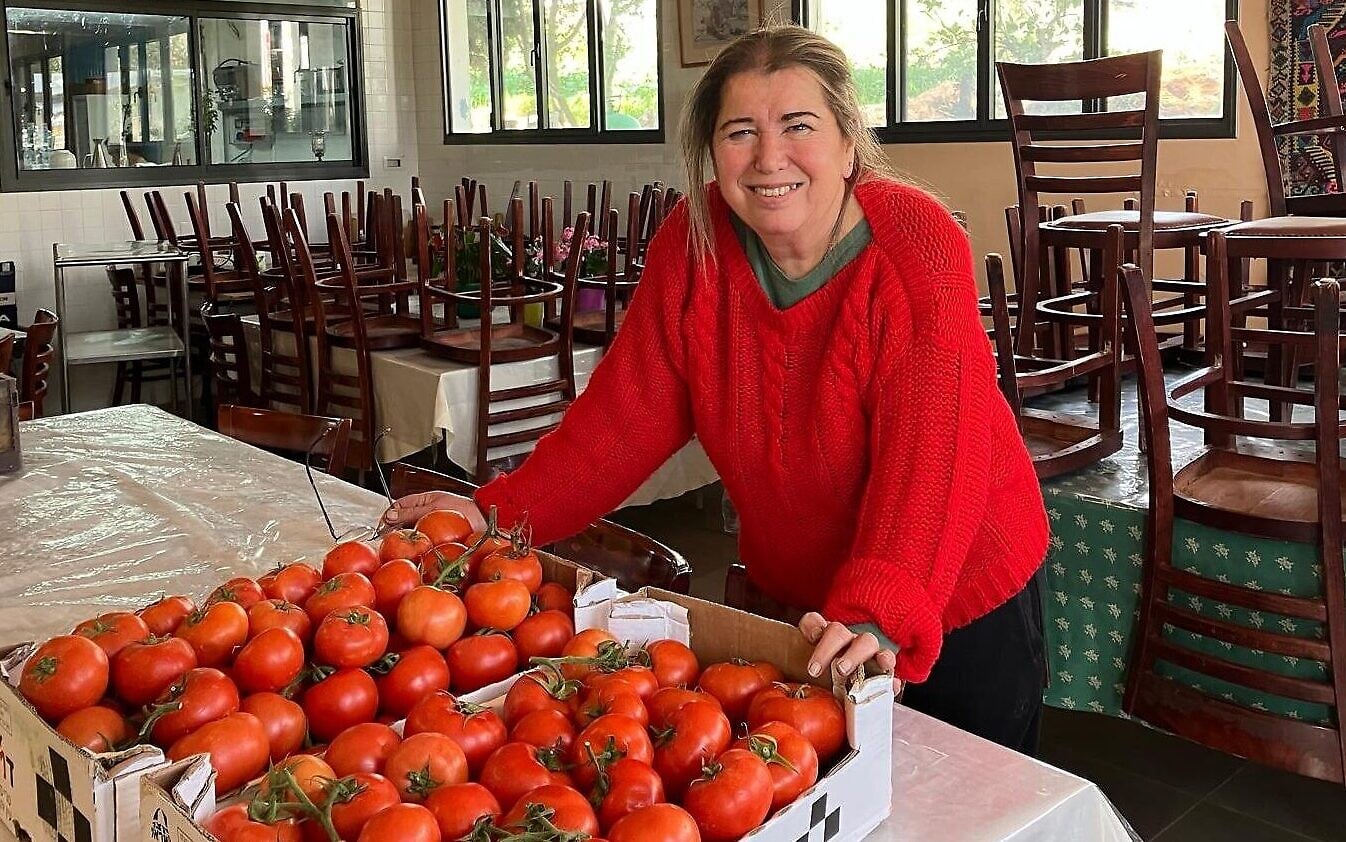
SHTULA, Upper Galilee — One thundering boom followed another just outside the home of Ora Hatan in her village high in the hills along the Israel-Lebanon border last Sunday afternoon.
But Hatan, 62, was too busy to flinch.
She was supervising her 16-year-old nephew, Daniel, as he prepared dozens of portions of schnitzel — all while frying eggplant, unpacking a dozen bags of groceries, offering tea and homemade pastries to a guest, and speaking to a well-wisher congratulating her on being one of the 12 people chosen to light a torch at the 78th Independence Day celebration in Jerusalem on April 21.
Hatan said that MK Miri Regev called her on the phone to tell her she was chosen as a “symbol of determination.” That sentiment was echoed by IDF Chief of Staff Lt. Gen. Eyal Zamir, who visited Hatan’s house recently and said that her “resilience has strengthened the entire nation.”
Throughout the war that began on October 8, 2023, when the Iranian proxy terror group Hezbollah and allied Lebanese groups began firing into Israel in solidarity with Hamas and its bloody invasion of the south a day earlier, Hatan never left the village, even as the government evacuated Shtula along with some 60,000 residents from 32 communities in northern Israel.
She likewise remained at her post during the recent conflict, which is currently on pause during a ceasefire imposed by US President Donald Trump.
Known for her Kurdish delicacies, Hatan decided in 2023 that if she couldn’t make meals for visitors, she could cook for Israeli forces stationed in the area.
And so she did, taking it upon herself to cook for hundreds, if not thousands, of soldiers. Even after her family’s restaurant was destroyed by Hezbollah rocket fire in 2024, Hatan went on cooking.
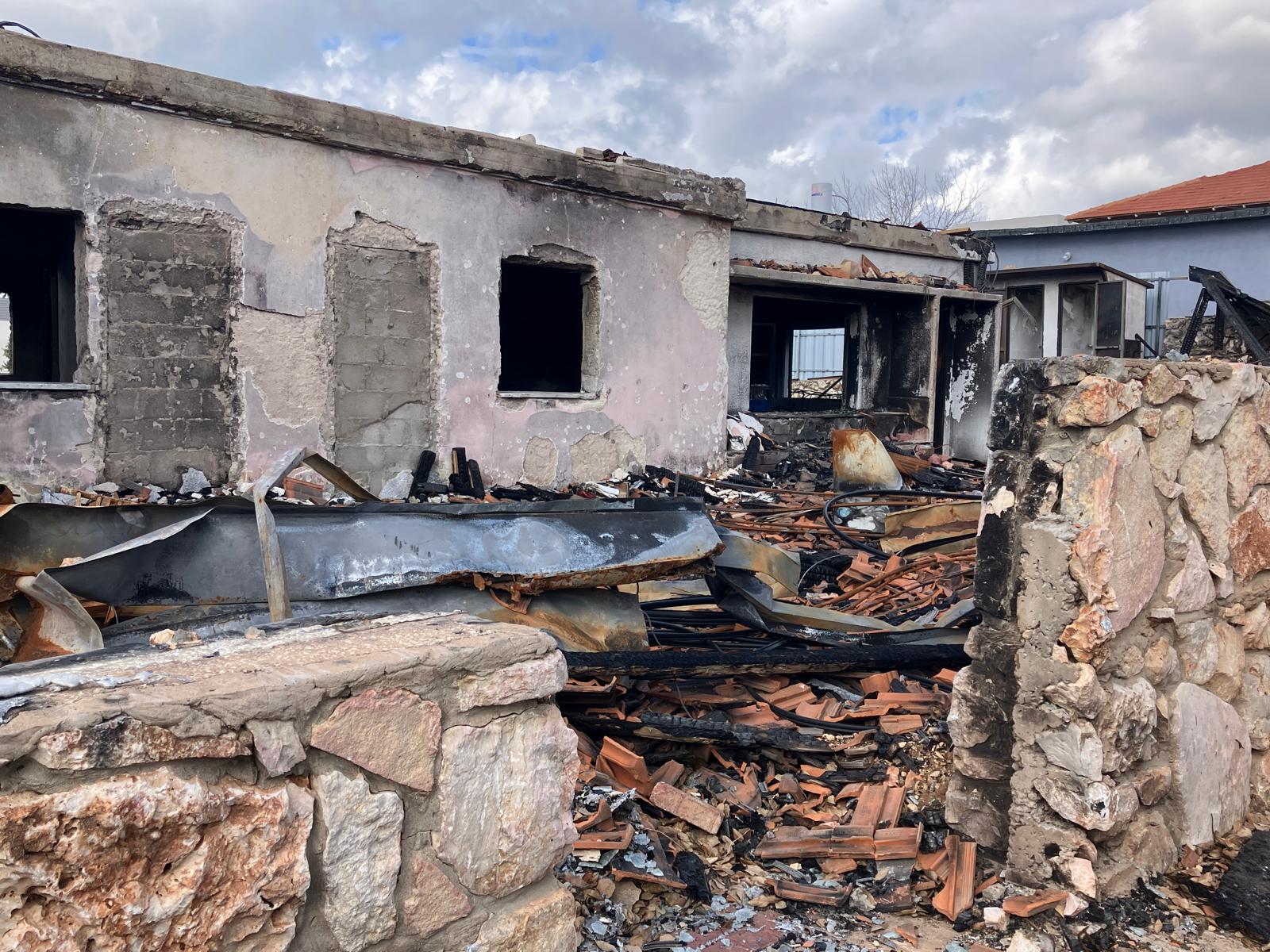
Ora Hatan’s family restaurant, Hemdat HaGalil, in Shtula, destroyed by Hezbollah rockets in 2024, on April 12, 2026. (Diana Bletter/Times of Israel)
On the day The Times of Israel visited, Hatan was cooking schnitzel and French fries for some troops.
“I usually cook them kubbeh soup, stuffed chicken, or spicy fish, but they said they hadn’t eaten schnitzel since before Passover, so that’s what I’ll make to pamper them,” Hatan said.
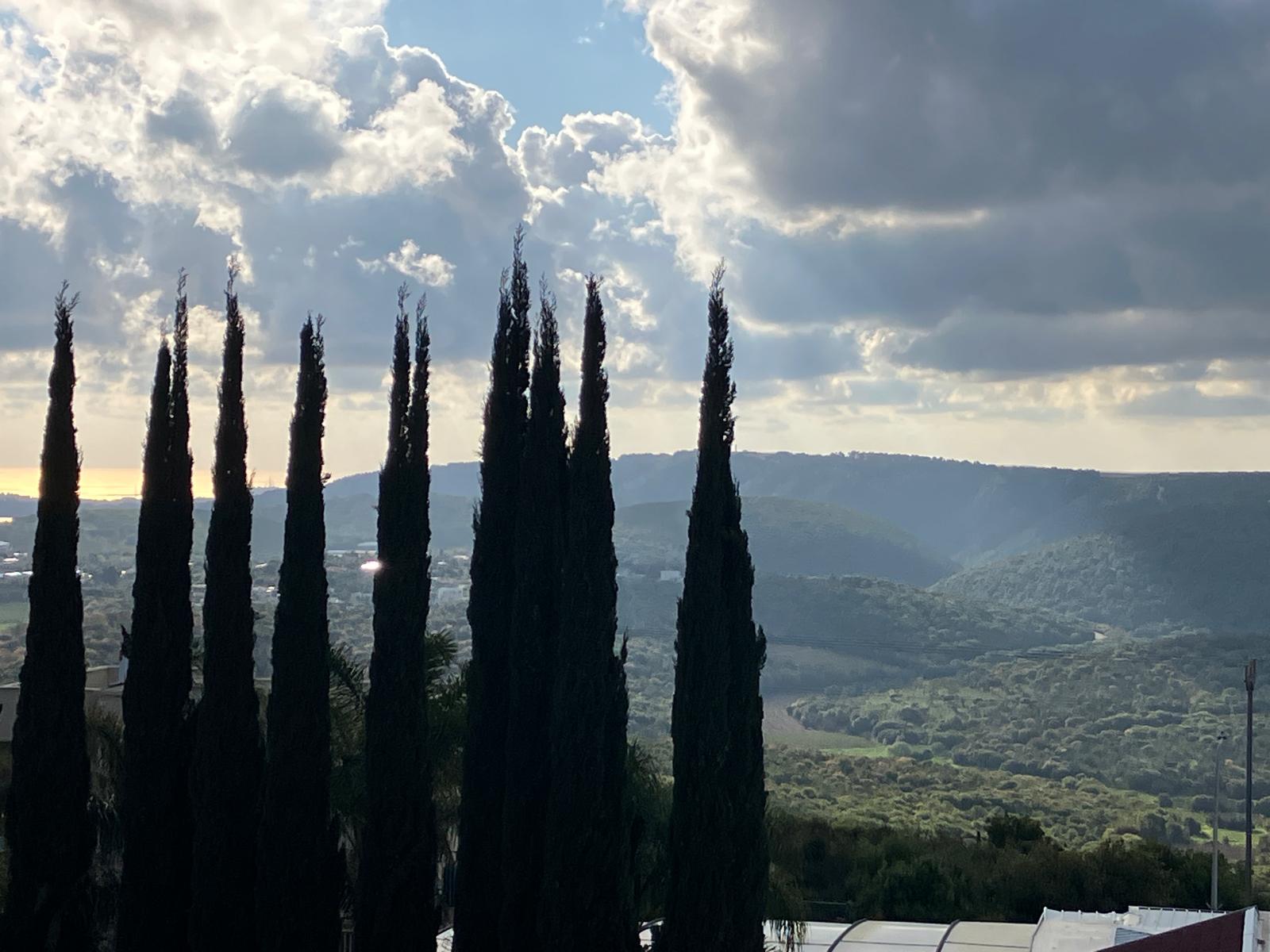
The view from Ora Hatan’s house on April 12, 2026. (Diana Bletter/Times of Israel)
Speaking of the upcoming Independence Day ceremony, Hatan moved purposefully around a kitchen crowded with cooking supplies and utensils.
“It’s an honor, but it’s a little strange because the government doesn’t help us in the north,” she said. “If they want us to stay here, then they need to help. I think we’ll win against Hezbollah, but we need people to come.”
She spoke a day before the IDF said it had effectively captured the nearby Hezbollah stronghold of Bint Jbeil, just on the other side of the border. Following the ceasefire, the IDF assessed on Friday that a small number of Hezbollah operatives remain in Bint Jbeil, after more than 100 were killed during fighting in the town over the past weeks.
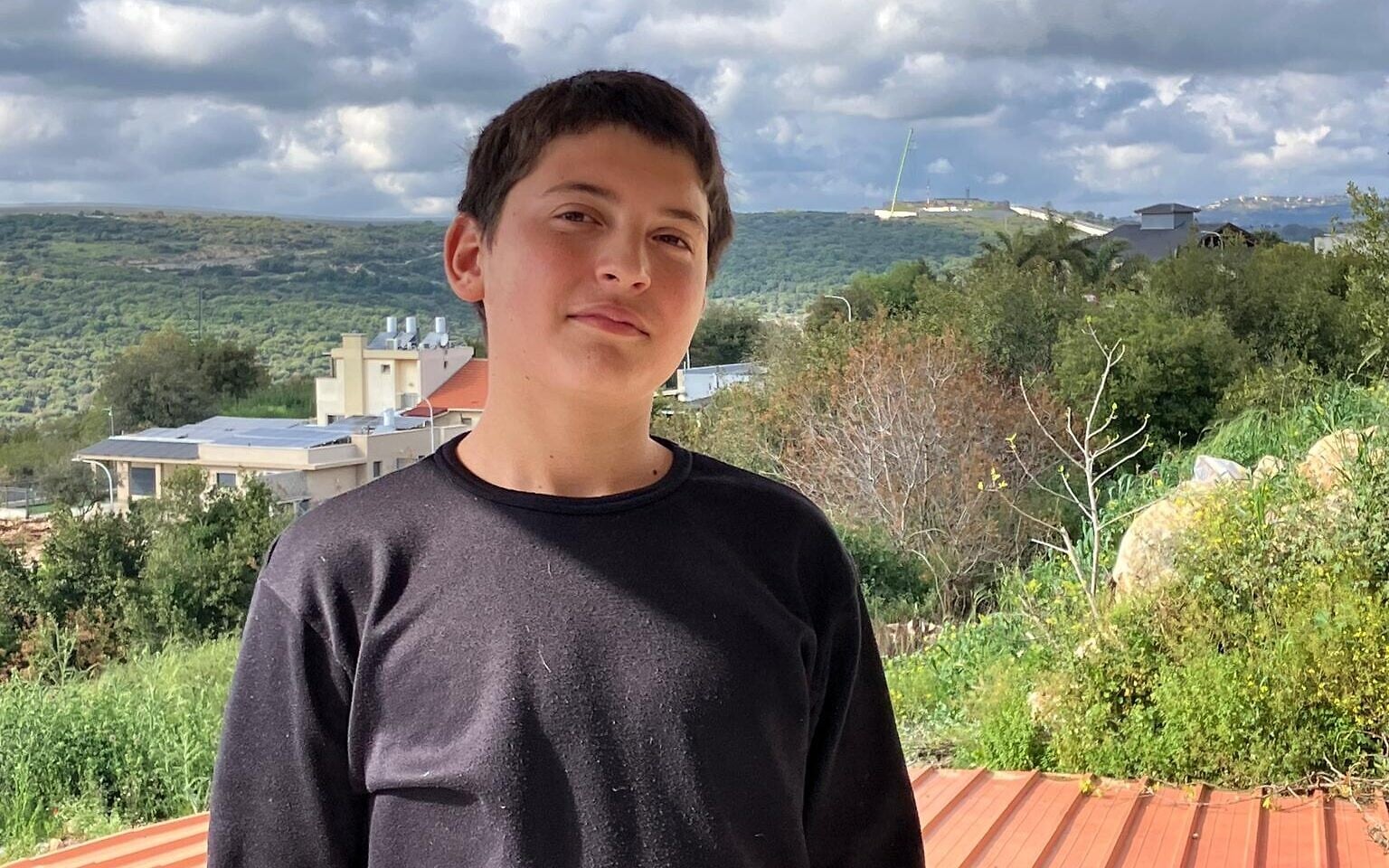
Yair Hatan stands on his family’s balcony, with a view of southern Lebanon and Ayta ash-Shaab, a Hezbollah stronghold, in the distance, on April 12, 2026. (Diana Bletter/Times of Israel)
While Hatan spoke on the phone, her son, Yair, 12, escorted The Times of Israel to the balcony of the family house, where there was a view of rolling green hills, as well as a Hezbollah stronghold, Ayta ash-Shaab, about two kilometers (1.2 miles) away in Lebanon.
Yair’s gaze followed an IDF helicopter as it chopped through the air, sending out explosive flares.
“It shoots out things so nobody will shoot the helicopter,” said Yair. “I know that because of the games I play.”
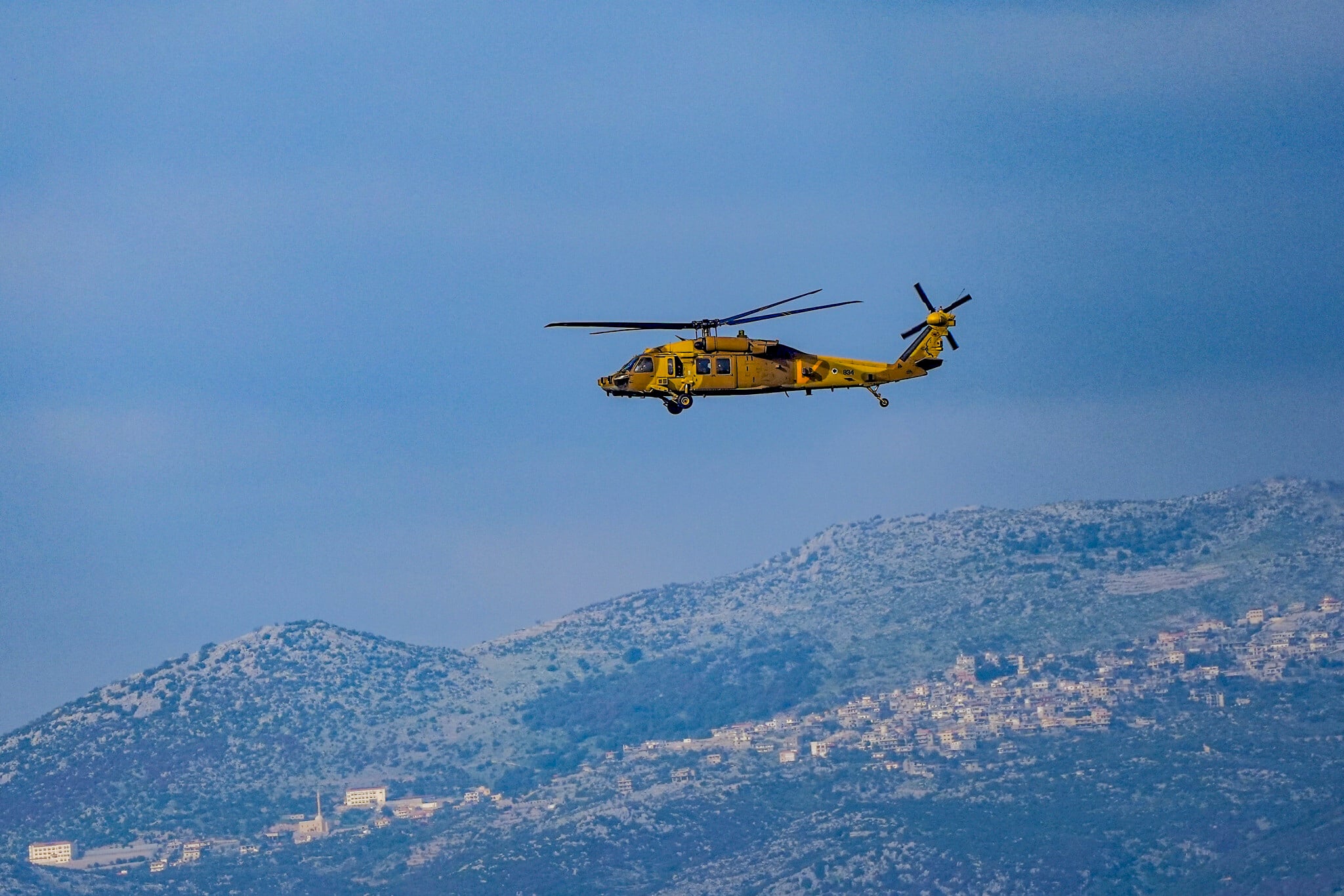
An IDF helicopter flies near the border with Lebanon during the war with Iran and Hezbollah, March 28, 2026. (Ayal Margolin/Flash90)
Yair is one of about a dozen children who have remained in Shtula since the US-Israel war began with Iran and Hezbollah on February 28. School had been shifted to video calls until the ceasefire. Hatan’s other son, Yonatan, is at dental school in Jerusalem.
A community, mostly deserted
Of Shtula’s 300 or so residents, about 60 percent returned after the ceasefire with Hezbollah in November 2024. Since the start of the Iran conflict on February 28, only about 60-90 people have remained.
Cows wandered along the winding road that leads up to the village, and spring flowers were blossoming in the hothouses. But the streets of Shtula felt desolate, and almost every other house showed signs of destruction from the war.
There are roadblocks to the village, which has once again become a closed military zone. The only sound of cheer came from a vehicle with several soldiers who drove by Ora’s house and shouted, “Ora, you’re a champion!”
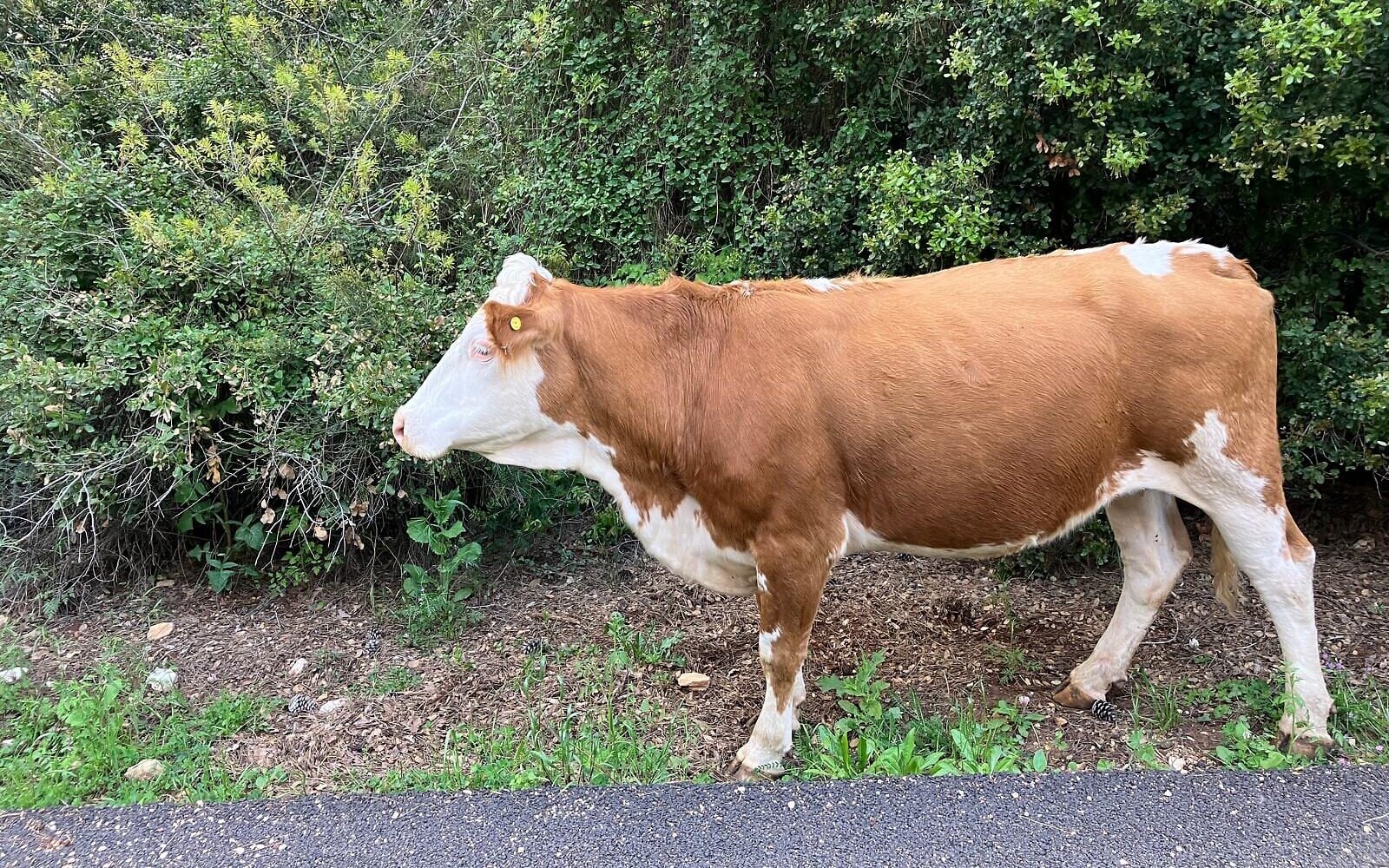
A cow wanders along the road leading to Shtula on April 12, 2026. (Diana Bletter/Times of Israel)
Passing the torch from mother to daughter
Hatan’s mother, Sarah Hatan, a Kurdish Jew, was among the founding members of Shtula in 1969. Sarah raised 14 children, shepherded livestock, and made her own dairy products.
She and her daughter opened Hemdat HaGalil, a restaurant and guesthouse, in 1995. They became known as pioneers in tourism in the Western Galilee and won a Prime Minister’s Award for entrepreneurship.
Sarah also cooked for soldiers throughout the years. In fact, her daughter said she has cooked meals for troops whose parents had eaten her mother’s meals during their own service.
“I would have rather cooked for their sons on their weddings, not when they were in the army,” Hatan said wistfully.
Sarah lit a torch at Israel’s 60th Independence Day ceremony in 2008 at the age of 74.
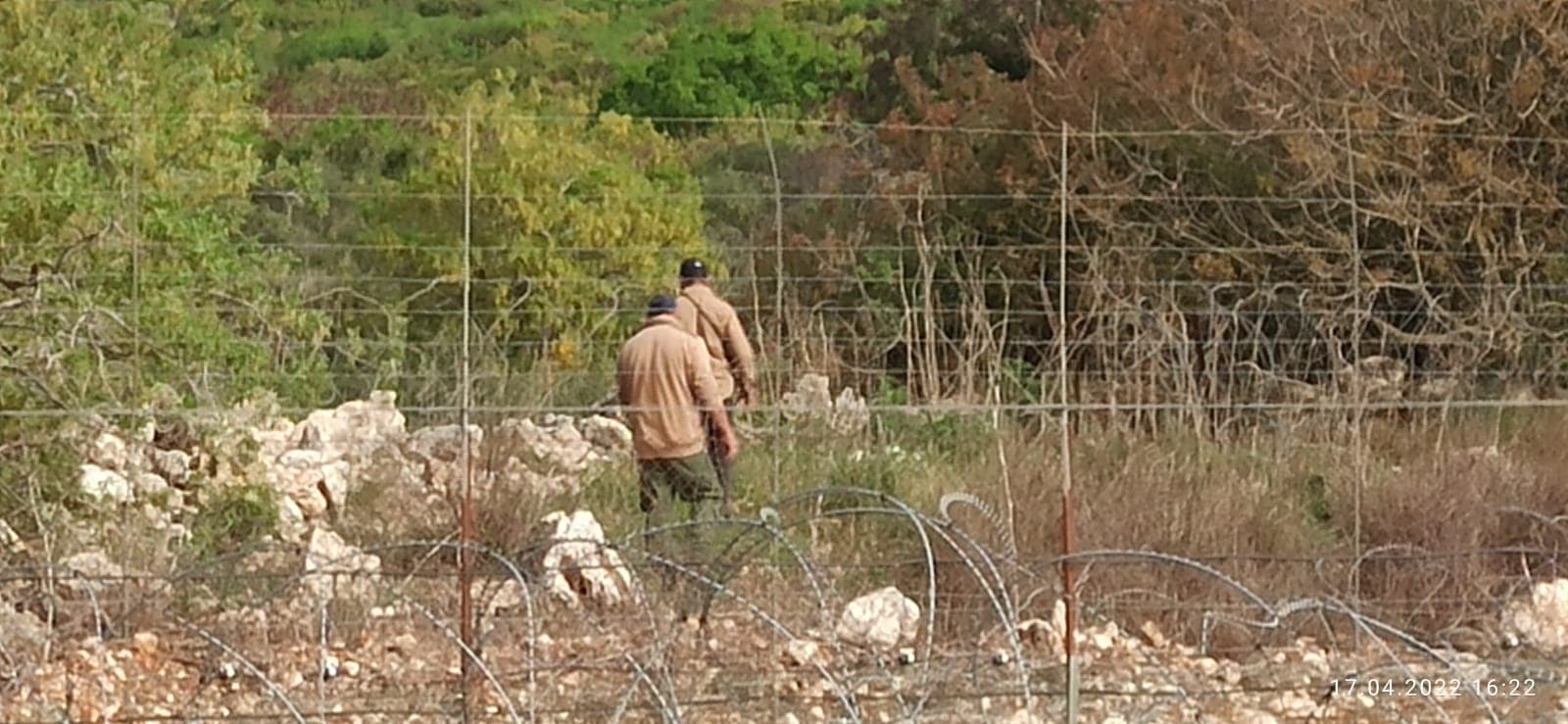
Two Hezbollah terrorists walk around undisturbed on the Lebanese side of the border abutting Moshav Shtula, April 17, 2022. (Hadas Lahav)
When the war began in 2023, Hatan, who was in the process of building a new restaurant and guesthouse, decided to stay put despite the dangers. She said she imagined her mother saying that she and her family didn’t leave Kurdistan and move to Israel only to become refugees again.
As a restaurateur, Hatan was part of “Treasures of the Galilee,” a nonprofit initiative established in 2013 by entrepreneur Raya Strauss Ben-Dror to increase tourism in the region.
However, because of the war, businesses and infrastructure in dozens of northern towns suffered extensive damage, and a once-thriving tourism industry was decimated.
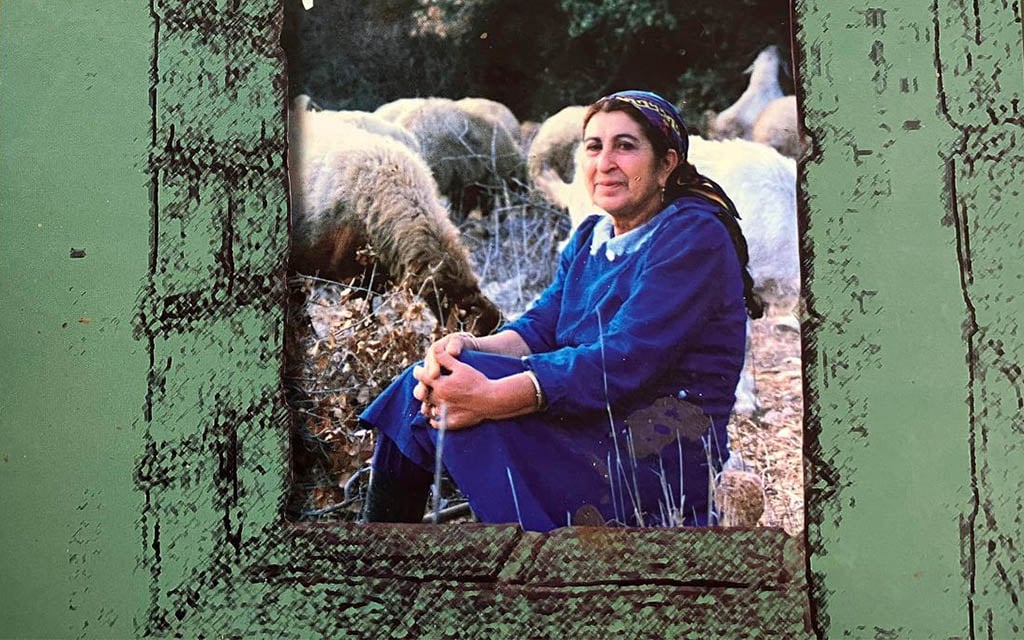
Sarah Hatan, a shepherdess and entrepreneur who was a founding member of the community of Shtula, lit the torch for the 60th Israeli Independence Day celebration in 2008. Her daughter, Ora, lights the torch for Israel’s 78th Independence Day celebration on April 21, 2026. (Courtesy)
A spokesperson for Treasures of the Galilee said that when Ben-Dror heard of Hatan’s financial difficulties, she decided to step in and help.
That was soon after a temporary ceasefire was signed in November 2024, and people slowly began to return to the area. Guesthouses and the cafe near the border wall had reopened. There were signs of renewal.
Visitors and residents were also reassured because the IDF had left troops at five key locations across the border in a bid to ensure that Hezbollah did not rebuild a military foothold along the frontier.
But the quiet did not last.
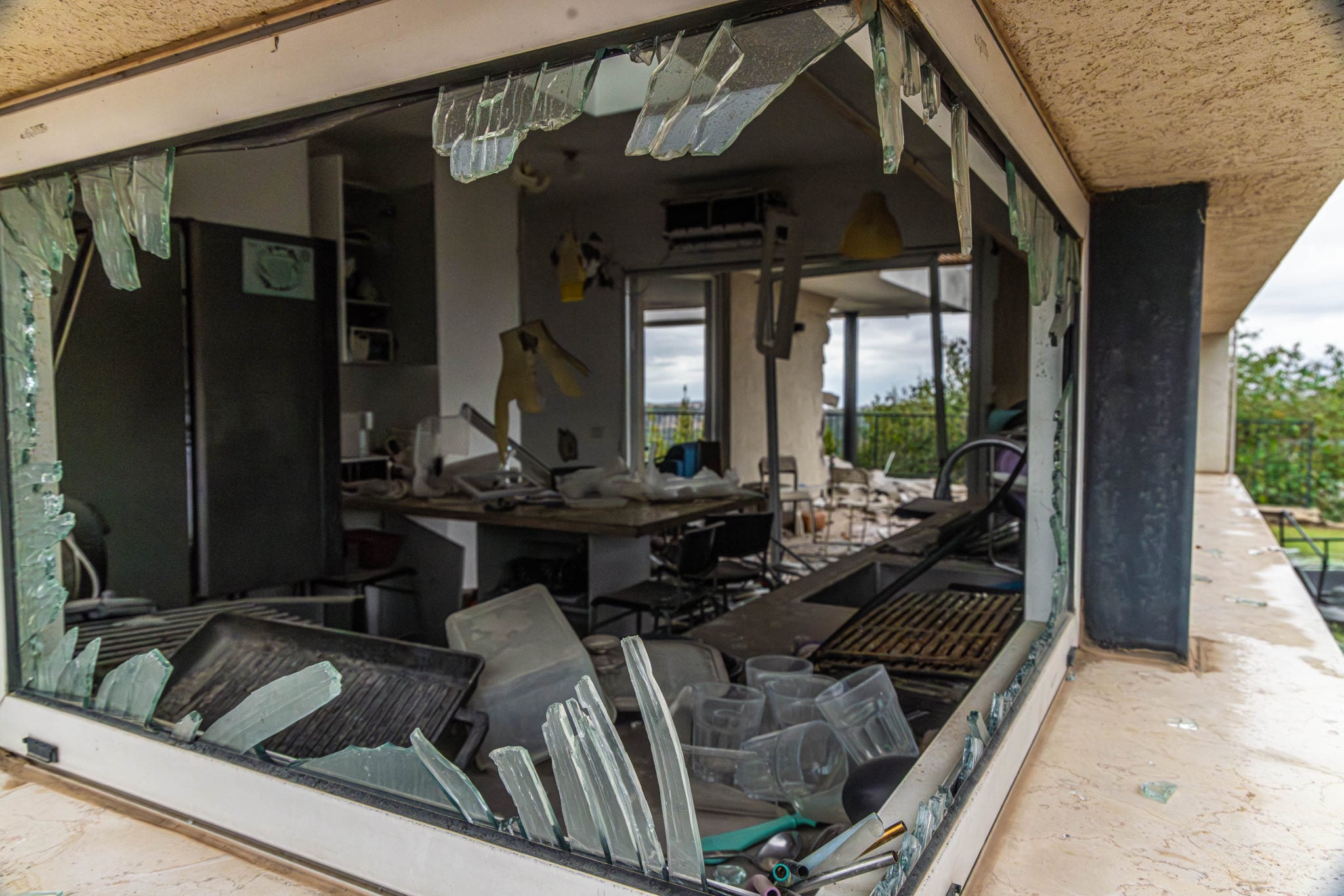
A destroyed home in Moshav Shtula along the border with Lebanon, November 27, 2024. (Eli Katzoff)
Shortly before the resumption of hostilities in February, a Treasures of the Galilee team visited Hatan and offered professional advice about opening a new restaurant in her home.
Hatan said she took out a loan for the restaurant and guesthouse, and had just started building when Hezbollah resumed firing.
When asked why Yair thought his mother was getting the honor to light the torch, he replied, “I don’t ask why she’s getting it, I ask, why not? She never left Shtula. We don’t abandon our home.”
There is a bomb shelter just outside their house, which stands at the entrance of the village. Hatan said she got scared only one time, when the Hezbollah rocket hit her restaurant, a few houses away.
“I was only afraid because I thought the gas tank would explode,” she said.
Homemade food delivery to Lebanon
A little later, Gilad, a soldier who asked that only his first name be used, stopped by Hatan’s house to pick up some of her homemade matbucha, a spicy tomato dish, for a barbecue that some of the soldiers were having that night.
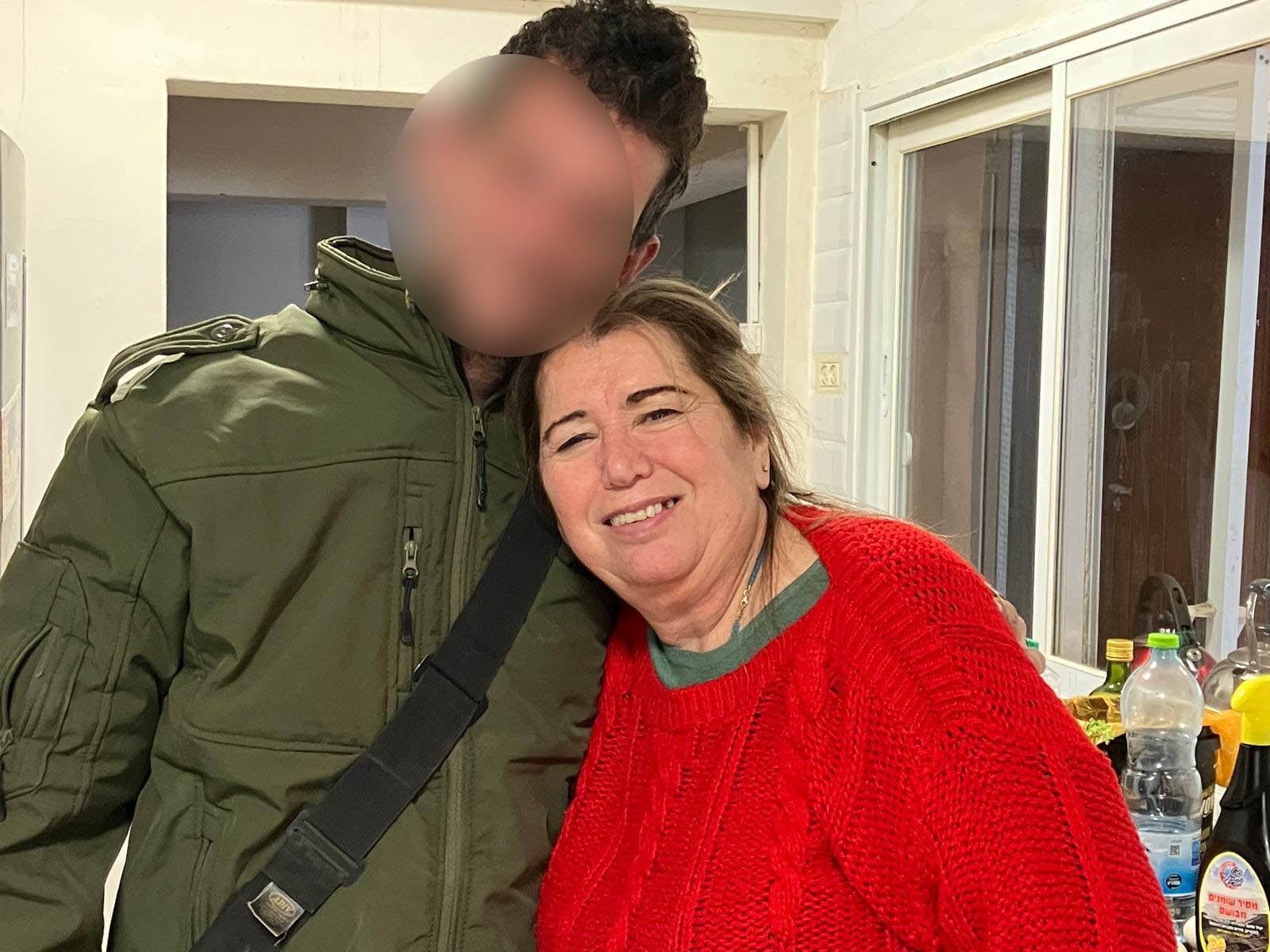
Ora Hatan, right, with a soldier who came to pick up some food she prepared in her house in Shtula, on the Lebanese border, on April 12, 2026. (Diana Bletter/Times of Israel)
“From the first moment we got here, she treated us like our mother,” Gilad said. “It warms our hearts.” He said that Hatan deserved to light the torch for all that she’s done.
Gilad was also returning some of Hatan’s pots that she had used to cook a large quantity of food, which he delivered to soldiers stationed inside southern Lebanon. Instead of battle rations, they’d had a homemade Friday night dinner.
“I guess you can say it was like Wolt,” Gilad joked.