
A former head of the RCMP in New Brunswick raised red flags in 2021 about a secret program to track the movements and political views of some New Brunswickers during COVID-19 restrictions, CBC News has learned.
Larry Tremblay filed a complaint to the province’s ombud that argued a branch of the Department of Public Safety was illegally collecting personal information and monitoring “citizens who express discontent” toward provincial government policies.
Tremblay’s 2021 complaint focused on a proposal for gathering data from 911 calls that he said came from the office of the provincial security adviser. The department said it was led by the 911 office.
The plan was later modified to address RCMP privacy concerns, but Tremblay said at the time he objected because the office of the provincial security adviser “clearly demonstrated a total lack of understanding in regards to privacy rights” in other ways.
The office “monitored, without the knowledge and consent of individuals, their movements between the various New Brunswick health zones,” Tremblay wrote.
The office conducted the monitoring from January to May 2021 for a daily pandemic briefing to the premier and key officials called Trend Tracker: Mobility by Zone, he wrote.
WATCH | ‘Total lack of understanding’: senior Mountie slammed tracking :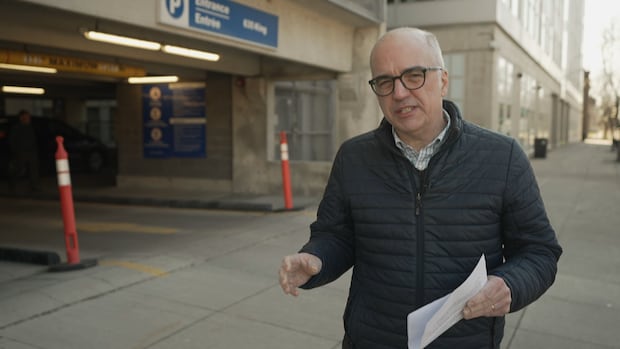
N.B. government tracked movement, public mood during pandemic
A senior RCMP officer complained that the provincial program violated privacy rights.
It also monitored the political views of some New Brunswickers via social media, particularly citizens who were critical of government policies, Tremblay said.
Tremblay suggested the office had no legal authority to do that.
The office of the provincial security adviser is a little-known branch of the Department of Public Safety, and the department’s annual reports make scant mention of its activities.
The reports said the office “contributes to provincial security by assessing threats, risks, and vulnerabilities facing New Brunswick that could impact public safety, critical infrastructure, the economy, and the function of government.”
In an email statement, Public Safety spokesperson Erika Jutras said the movement data came from the Public Health Agency of Canada and “did not identify individuals.”
The federal agency compiled movement data by analyzing when mobile phone signals connected to individual cell towers, according to a House of Commons report in 2022.
The office of the provincial security adviser in New Brunswick used the data “to support situational awareness” and not to issue fines or take action on violations of the COVID restrictions, Jutras said.
The monitoring of political opinions, meanwhile, “focused on broad trends and did not involve the identification of individuals,” Jutras said.
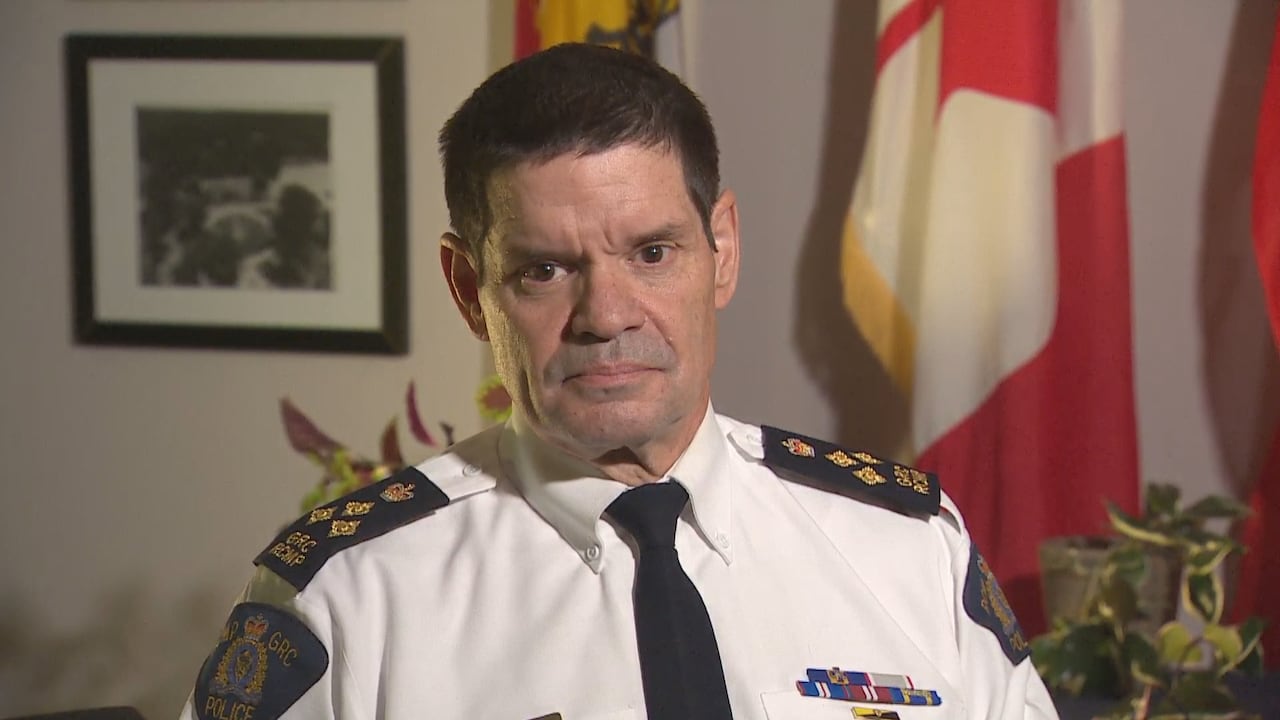 Larry Tremblay, a former head of the RCMP in New Brunswick, filed a complaint to the province’s ombud that argued a branch of the Department of Public Safety was illegally collecting personal information and monitoring “citizens who express discontent” toward provincial government policies. (Ed Hunter/CBC)
Teresa Scassa, a law professor and digital privacy expert at the University of Ottawa, said if that’s the case, the two monitoring programs did not violate privacy rights.
“If it’s just that kind of general mobility information, then it’s not personal information and it doesn’t raise the same privacy issues, because nobody can be identified from that data,” she said.
According to Tremblay’s complaint, the movement tracking program began the week of Jan. 17, 2021, when New Brunswick reported the highest number of new cases in a single day up to that point.
Then-premier Blaine Higgs had warned on Jan. 14 that with case numbers climbing and contact tracing increasingly difficult, “we’re going to become a whole lot more serious about people that are not following the rules.”
He told CBC’s Power and Politics the government “will do whatever is necessary to bring this under control.”
Within days, the government restricted movements between health zones and was tracking how many New Brunswickers were breaking those rules.
The tracking ended the week of May 2, 2021, according to Tremblay’s complaint.
Keith Tays, leader of the Libertarian Party of New Brunswick, said the revelations about the program will not surprise people who believe the government’s COVID-19 measures were too intrusive.
“The concern obviously is that that normalizes the government having knowledge about your private lives,” Tays said.
A House of Commons committee that studied the use of wireless phone data to track Canadians in 2022 found no evidence the data was used to identify individuals.
But the committee said in its May 2022 report the Public Health Agency of Canada should have told the public about the program “in a manner that clearly outlines the nature and purpose of the data collection.”
The Department of Public Safety’s annual reports for 2020-21 and 2021-22 do not disclose the tracking of New Brunswickers’ movements between health zones.
Jutras said the information gathered was reported to the provincial cabinet “and relevant partners and stakeholders.”
The department did not say why the programs were never disclosed to the public.
Jutras said the department has been consulting stakeholders since 2024 about potential revisions to provincial security policies, given the “increasingly complex risk environment,” including threats to democratic institutions and public officials.
Tremblay turned down an interview request from CBC News about his 2021 complaint to the ombud, which he sent as he was being forced out of his job by the Higgs government.
RCMP and government officials said objections to the 911 data gathering plan were resolved when they reached a “consensus” on changes that allowed the federal police force to retain control of personal information it gathered.
CBC News asked for interviews with Public Safety Minister Robert Gauvin and with Andrew Easton, the head of the office of the provincial security adviser. Neither was made available.
CBC News submitted an access to information request to the RCMP for Tremblay’s correspondence in May 2022. The force turned over 83 pages of material on March 13, 2026.