
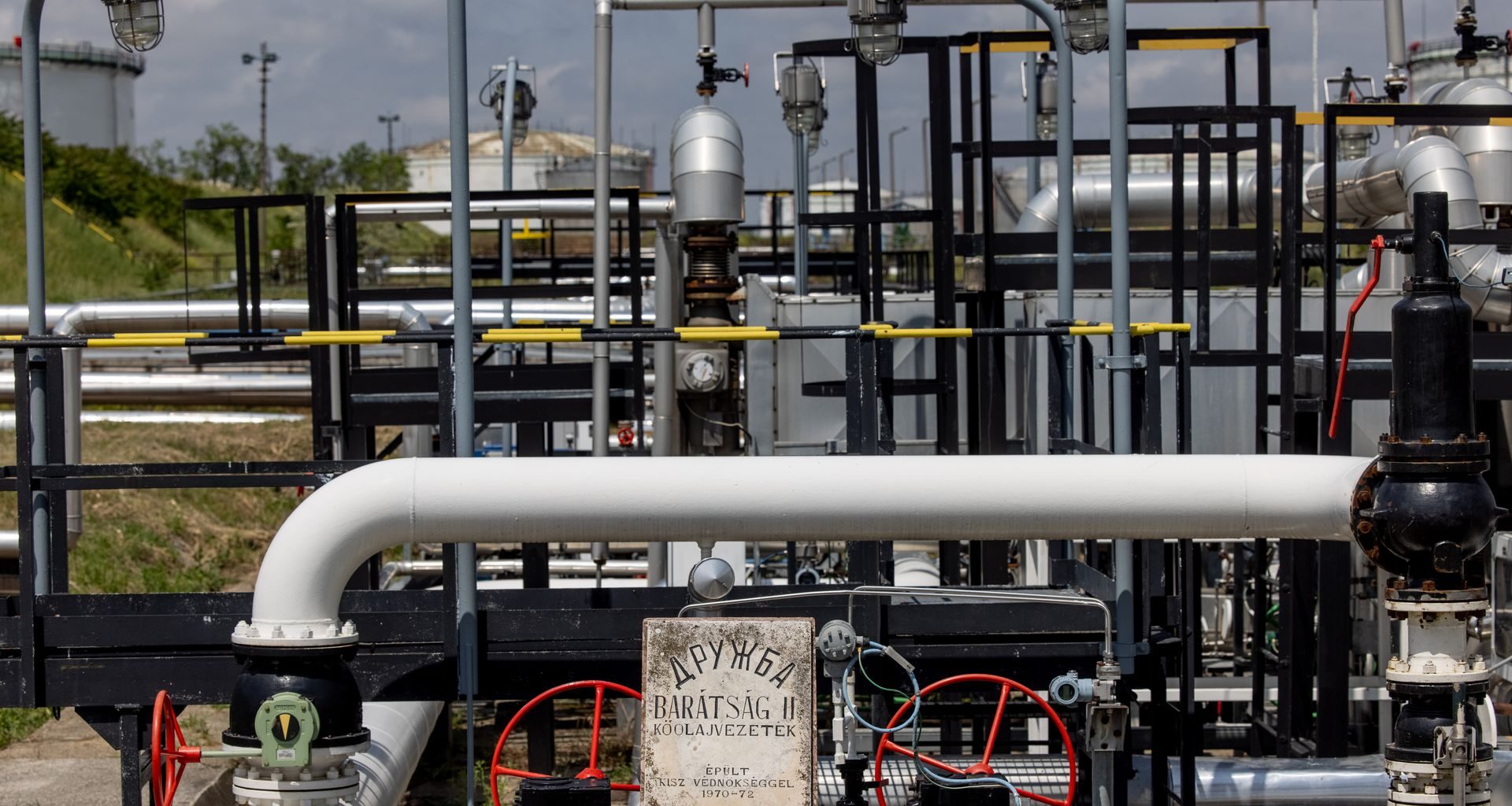
Oil flows through the Druzhba pipeline are ready to resume, President Volodymyr Zelensky announced on April 21, easing a dispute between Kyiv and two EU countries reliant on Russian crude.
The pipeline had been offline since late January after Kyiv reported a Russian strike. Its suspension triggered tensions with Slovakia and Hungary, which depend heavily on the route for oil supplies.
“Ukraine has completed repair work on the section of the Druzhba oil pipeline that was damaged by a Russian strike,” Zelensky said. “The pipeline is now ready to resume operations.”
“Although no one can guarantee that Russian attacks on the oil pipeline infrastructure will not happen again, our experts have laid the groundwork for restoring the system and equipment to full operation.”
Ukraine is expected to restart oil transit through the Druzhba pipeline on April 22, according to an industry source cited by Reuters. The source noted that a Hungarian oil firm has already filed the initial transit request, with the first shipments split evenly between Hungary and Slovakia.
Zelensky said that he hopes the European Union will now release a 90 billion euro ($106 billion) loan for Kyiv in the coming days, noting that all obstacles have been cleared.
“Ukraine has fulfilled the request made by the European Union,” Zelensky said, adding that he discussed unlocking the financial aid package with European Council President Antonio Costa.
The loan, a crucial financial lifeline for Ukraine amid Russia’s ongoing aggression, has been blocked by Hungary due to the halt of Russian oil transit via the Druzhba pipeline.
Budapest and Bratislava accused Ukraine of withholding transit for political reasons, claims Kyiv rejected. Both countries escalated the standoff on Feb. 18 by halting diesel exports to Ukraine.
Slovak Foreign Minister Juraj Blanar said after the April 21 EU Foreign Affairs Council meeting in Luxembourg that Slovakia had received a signal that oil supplies could resume, but cautioned that “for now, we do not have such information” confirming actual deliveries.
Blanar added that Slovakia would be ready to support further EU sanctions on Russia, saying it could back even a new package “as, according to our assessment, it would not have a significant impact on the Slovak economy,” but only once Russian oil is again flowing through the pipeline.
Kaja Kallas, the EU’s top diplomat, said the same day that “a positive decision” on the loan could be expected “in the next 24 hours.”
The agenda for the permanent representatives’ meeting on April 22 now includes the final step required for loan disbursement, a spokesperson for the Cyprus Presidency of the EU Council said.
Hungary and Slovakia, both landlocked, were the only EU members still receiving Russian crude via the pipeline’s southern branch before the disruption. The route accounts for roughly 86–92% of Hungary’s oil imports and nearly all of Slovakia’s supply.
Outgoing Hungarian Prime Minister Viktor Orban, who was seen as the EU’s most Kremlin-friendly leader, centered his reelection campaign on accusations that Ukraine engaged in “energy blackmail.”
Budapest has received indications from Brussels that Ukraine was ready to restore oil transit, according to a letter from Orban to European Council President Antonio Costa dated April 20.
Once transit resumes, Hungary will lift its veto of the loan “without delay,” Orban added.