
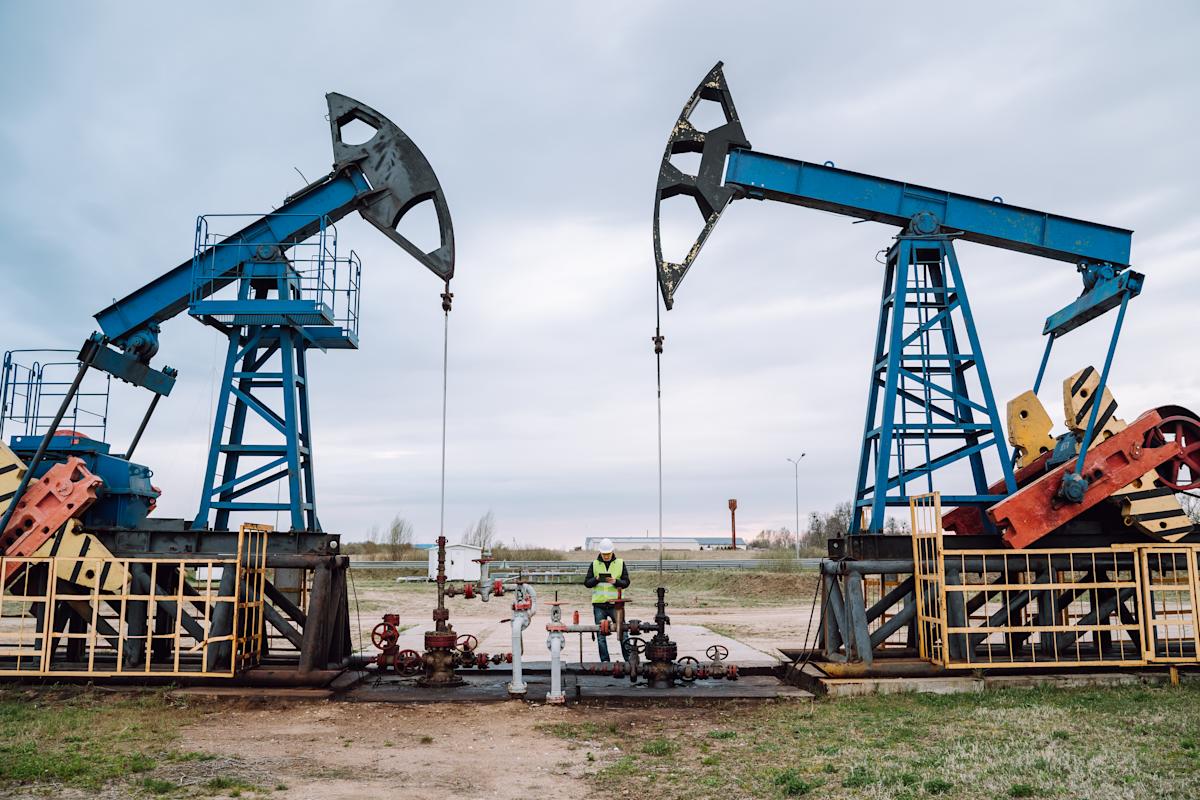
New data from the US government released this week shows just how aggressively China added to its oil reserves ahead of the war in Iran.
The US Energy Information Administration estimates China ended 2025 with nearly 1.4 billion barrels of oil stocked away, compared to 1.2 billion barrels among the 32 members of the International Energy Agency (IEA), which includes 413 million barrels in US coffers.
And the US has been drawing down its stockpile, with the latest US reserve levels showing about 405 million barrels following the sale of over 8 million barrels in the first half of April.
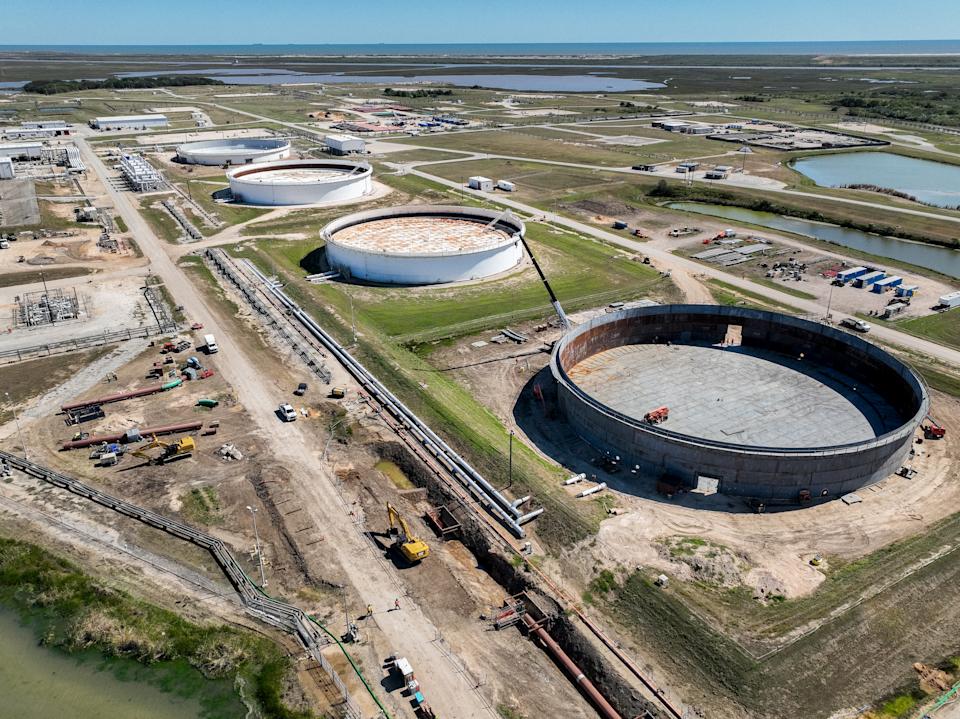 A US Strategic Petroleum Reserve storage facility in Freeport, Texas is seen in 2022. (Brandon Bell/Getty Images) · Brandon Bell via Getty Images
The analysis estimated that China, which doesn’t publicly disclose its reserve levels, added an average of 1.1 million barrels per day to its strategic inventories in 2025.
“Prior to the Iran conflict, preliminary government data indicate that China has continued building inventories in 2026,” the article added.
China is the world’s largest crude oil importer, which makes it uniquely dependent on global oil. But the new data underlines how China has capitalized on a key strategic buffer as the world faces an ongoing energy shock, with energy flows through the Strait of Hormuz still largely shut down.
President Trump on Thursday described the strait as “sealed up tight.”
As China aggressively moved to fill its coffers last year, the US made only limited oil deposits into its reserves in 2024 and 2025. That came after massive withdrawals during the last oil shock following Russia’s invasion of Ukraine.
President Trump has announced plans to release a total of 172 million barrels in the coming months to combat high prices because of the war in Iran.
 A gas station attendant is seen in Beijing in March. (Poly Fei/SOPA Images/LightRocket via Getty Images) · SOPA Images via Getty Images
China also boasts a major advantage in clean energy, with the IEA recently finding that “clean energy technology manufacturing is highly geographically concentrated” in China.
The nation is estimated to control about 85% of the world’s supply chain capacity for solar panels and 80% of lithium-ion battery capacity.
Ben Werschkul is a Washington correspondent for Yahoo Finance.
Read the latest financial and business news from Yahoo Finance