
Mehmet Solmaz
26 April 2026•Update: 26 April 2026
Britain is “dialing up” efforts to shield households from the economic fallout of the Iran war, a senior minister said, as officials warned that higher prices could persist for months even after the conflict ends.
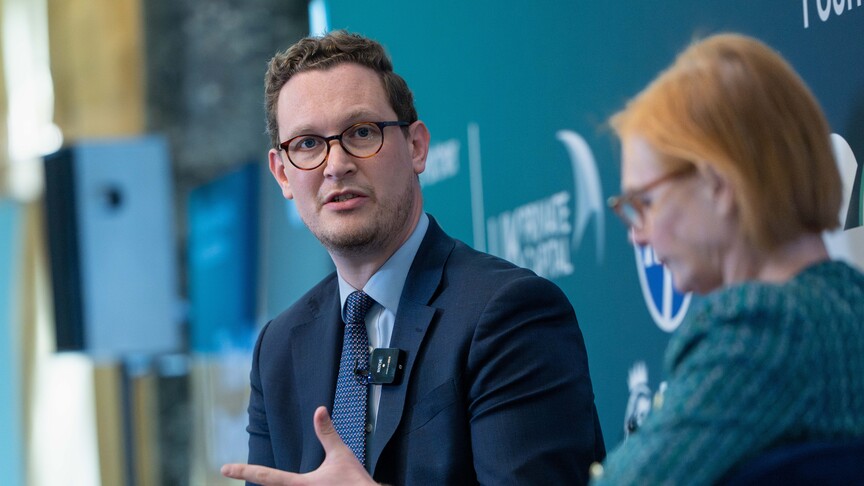
Chief Secretary to the Treasury Darren Jones said the government was stepping up contingency planning amid concerns that the closure of the Strait of Hormuz, a key route for global oil and gas shipments, could disrupt supplies.
“We’re acting now to prepare for, and mitigate where possible, the impact on our economy and domestic security as a result of the conflict,” Jones said, according to Sky News.
Ministers have stressed there are currently no fuel shortages and urged the public to continue normal purchasing, while coordinating efforts to keep supply chains stable through twice-weekly meetings of a government response group.
However, Jones told the BBC that “price pressure” was likely, with Britons facing higher energy, food and flight costs.
“Our best guess is eight plus months from the point of resolution that you’ll see economic impacts coming through the system,” he said. “So people will see higher energy prices, food prices … flight ticket prices as a consequence of what Donald Trump has done in the Middle East.”
Energy production and transport disruptions linked to the conflict have already pushed up global costs, while officials have drawn up worst-case scenarios, including potential food shortages if the situation worsens, according to the BBC.
Prime Minister Keir Starmer is set to chair a Cabinet committee this week to coordinate the response, as the UK also works with international partners to reopen the Strait of Hormuz and stabilize markets.
Despite concerns, the government has emphasized preparedness measures, including support for fuel and energy costs, efforts to secure CO2 supplies for the food industry, and coordination with global partners on emergency oil reserves.
Jones reiterated that while the UK would try to limit the impact, “what happens abroad will still affect us here at home.”