
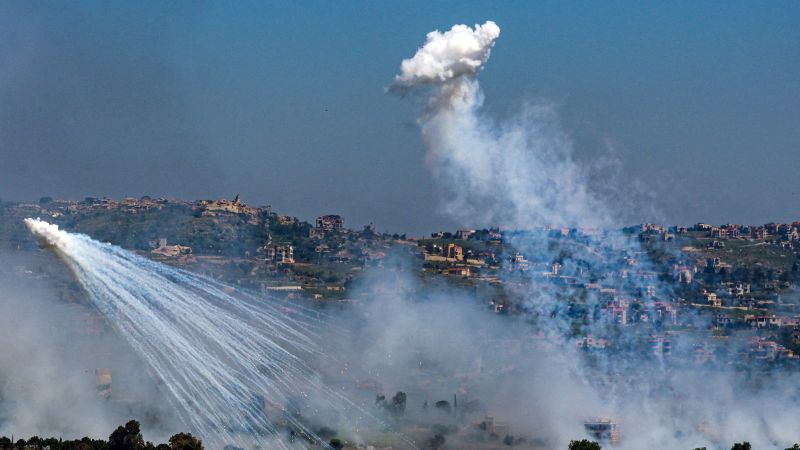
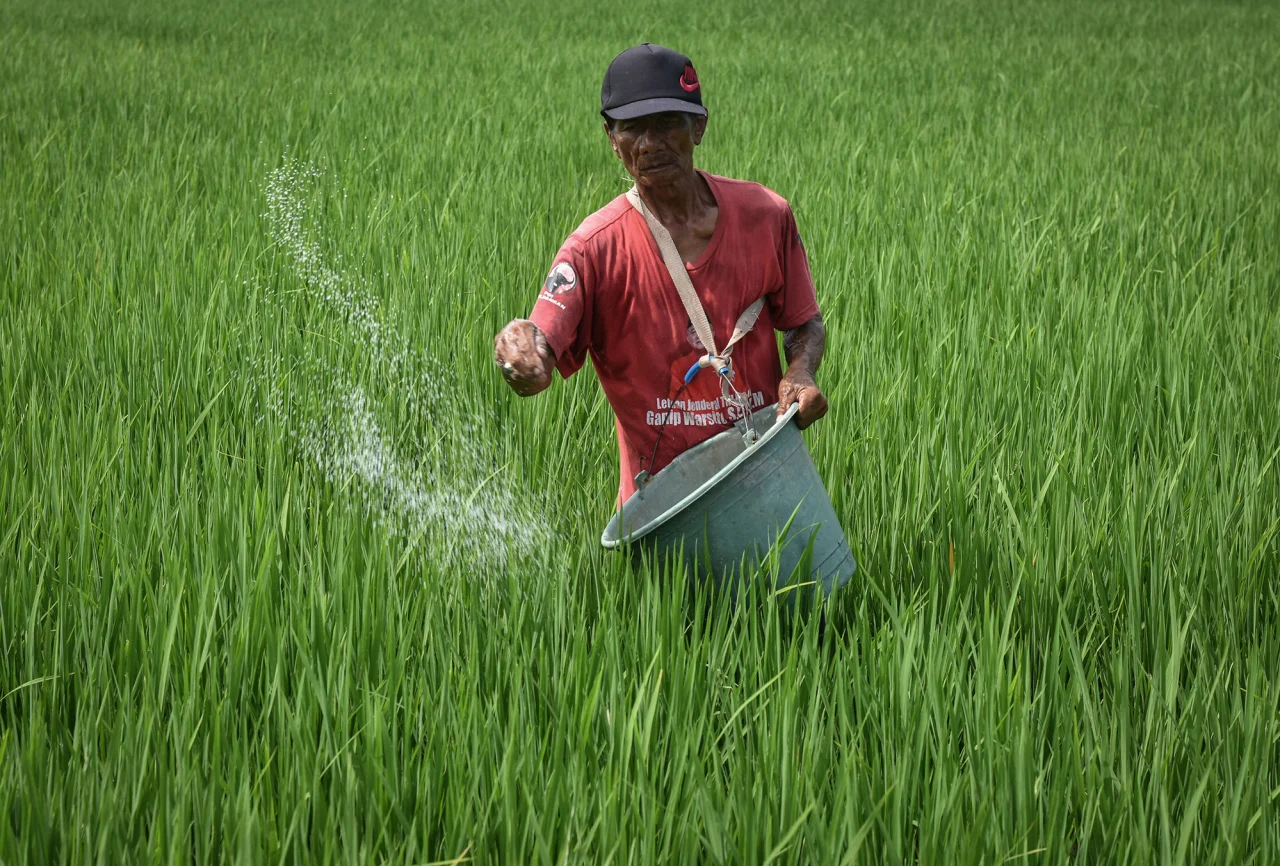
Almost 10 billion meals a week are at risk due to the war’s impact on the fertilizer industry, with its knock-on effects to hit the world’s poorest countries, the head of one of the world’s largest fertilizer companies has warned.
Svein Tore Holsether, CEO of Yara, explained that because the Strait of Hormuz is a key transit route for ammonia, urea and other essential agricultural products, its blockade continues to have a significant effect on food production.
For every week the crisis continues, more than half a million tonnes of urea could be removed from the global supply chain, Holsether told CNN Friday.
“To put the figure into perspective, half a million tonnes of urea contain enough nutrients to produce the equivalent of nearly 10 billion meals,” he said.
Less fertilizer causes reduced crop yields and less food production. Such a scenario could lead to a bidding war for food which would disproportionately hit the world’s poorest countries, Holsether said.
“In most parts of the world, the issue is not physical availability, but affordability,” he said. “Higher prices disproportionately affect those least able to absorb them.”
Some of the world’s largest fertilizer plants, as well as a major producer of the raw materials needed to make fertilizer, are in the Middle East. About 25-30% of global trade in those raw materials passes through the Strait of Hormuz, which has been effectively closed for two months, according to Morningstar.
And even if the Strait of Hormuz was to immediately to reopen and supply chains return to normal, high prices may continue to persist, he said, as fertilizer production and raw material supply have already been lost.
“These volumes cannot be recovered short-term,” Holsether added.