
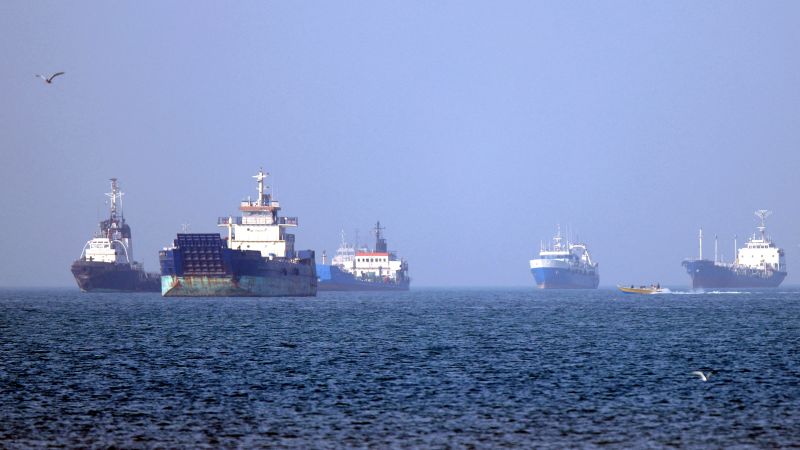
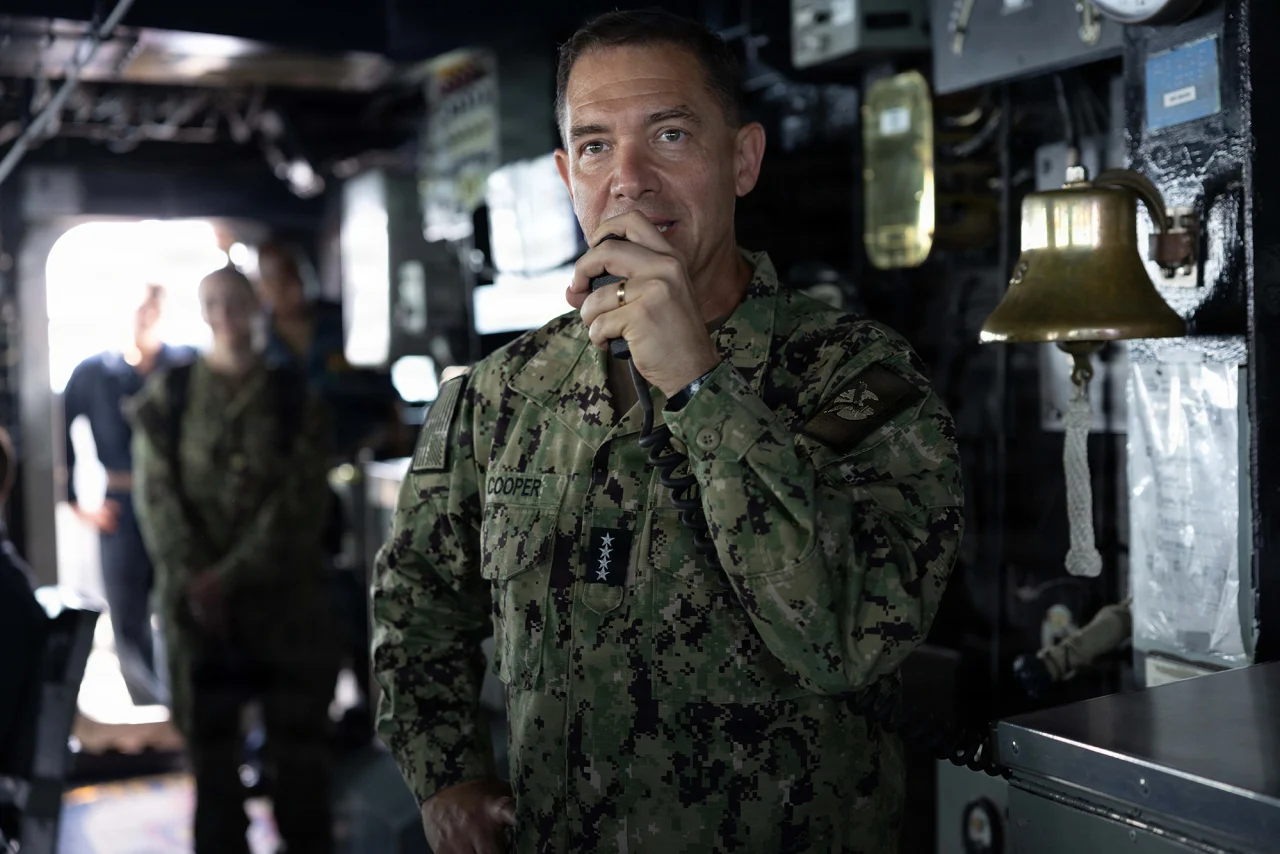
As the US military launched Project Freedom to help “guide” merchant ships to safely transit the Strait of Hormuz on Monday, US Central Command chief Adm. Bradley Cooper stressed it was a “defensive operation.”
Cooper said a variety of US ships, planes, helicopters and drones was being used to put a “defensive umbrella” over the strait.
Two US-flagged merchant ships passed through the strait as US forces took out Iranian threats, Cooper said, adding that more ships were waiting to get through.
But some analysts wonder if the US has enough assets to protect more merchant ships and attain pre-war numbers of around 120 ships crossing the critical waterway daily.
“I don’t think there are enough resources when it comes to … destroyers or A-10s or F-35s to be able to escort a lot of ships,” said Seth Jones, a former Defense Department official now with the Center for Strategic and International Studies.
The more ships the US tries to help, the more risk it takes, Jones told CNN’s Erin Burnett.
But retired Navy Capt. Carl Schuster, a former director of operations at the US Pacific Command’s Joint Intelligence Center, sees it differently.
Schuster made an analogy to football. The US military is playing zone defense, not man-to-man, he told CNN, using the football analogy.
If the zone is set up correctly, more defenders aren’t needed even if Iran adds offensive players, he said.
“It is not how many targets Iran can choose from, but rather how many Iranian attack assets can make it to their targets,” Schuster said.
A more likely move for Iran is to look outside the lines (to carry on the analogy), he said.
Iran will “look for more attacks on loading terminals and oil facilities,” not the ships moving through the strait under US protection, Schuster said.