
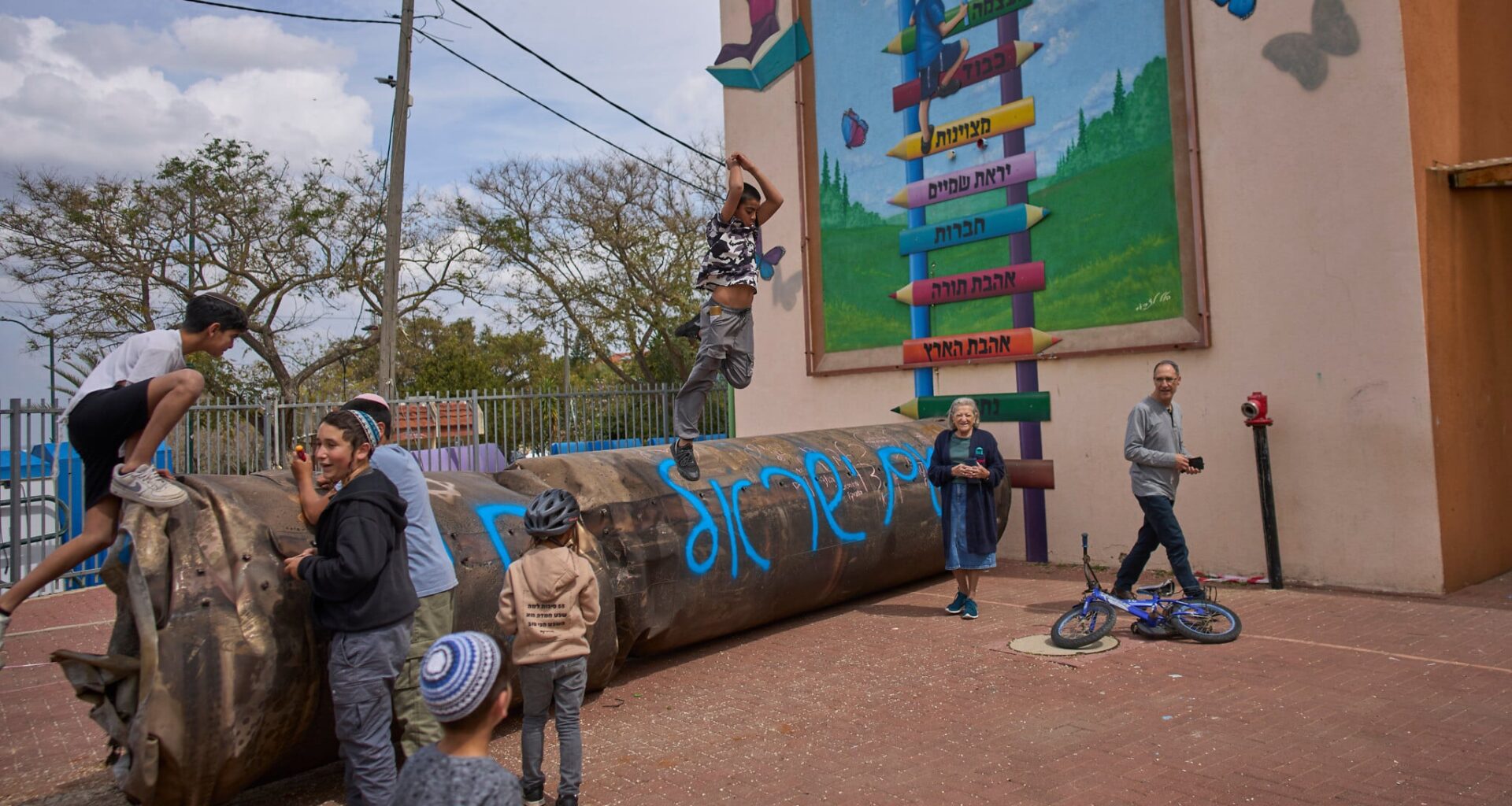
The story of the past six years in Israeli education has been one of disruption.
Take an Israeli child who, in about a month, is due to graduate from sixth grade. In 2019, that child entered kindergarten and, just a few months later, was kept home as COVID-19 swept Israel and the rest of the world. Restrictions, in one form or another, stretched into 2022.
Then, in fourth grade, came the Hamas-led October 7, 2023, invasion and all of the closures, restrictions and threats brought on by Israel’s subsequent multi-front war.
The most recent school shutdown, lasting more than a month during the US-Israeli war with Iran, ended in April, as this student prepared to conclude sixth grade, and almost exactly six years after COVID first interrupted their studies.
In between, there have also been multiple teachers’ strikes.
Get The Times of Israel’s Daily Edition
by email and never miss our top stories
By signing up, you agree to the terms
Altogether, said Oren Ozen, chair of the National Parents’ Council, students have lost 170 days of learning since 2020 — close to one full school year.
“There’s lots and lots to be done,” Ozen told The Times of Israel. “Since the year of the coronavirus, our children haven’t… even had one year of uninterrupted study. Every year, there was something else, be it the coronavirus, strikes, all those things. And every year they lost out.”
In a certain sense, then, it should come as no surprise that the leaked results of a government aptitude test found only three percent of ninth graders met the national benchmark for science. When it came to English skills, the number was 22%.
The data led opposition prime ministerial candidate Naftali Bennett to call for the declaration of a “national educational emergency,” and elicited a quick denial by Education Minister Yoav Kisch, who reportedly sought to conceal the poor results.
Kisch pointed out various ostensible problems with the data and attacked the leak as “an insult to the students of Israel, the teachers, the principals and the educators who are working with tremendous dedication.” (And the minister was reportedly due to deliver a piece of good news this week: A national math test for some graduating high school seniors demonstrated an improvement in performance.)
To Ozen and others immersed in the state of Israel’s schools, however, the alarming test results were merely a symptom of a deeper problem — and perhaps not even the main issue. The test scores came at a time when parts of the country face teacher shortages, a growing share of Israel’s students don’t learn core secular studies, and youth violence is surging, with deadly results.
Altogether, the picture has raised alarm in a country founded and run by the People of the Book, which has embraced the moniker of the Startup Nation, and which has survived and thrived in a hostile neighborhood in part by punching above its weight in the specialized, research-heavy fields of weapons development and the tech sector. Under current trends, experts say, all of that could be at risk.
“The whole point of going to school is actually bringing you to a point that you have job opportunities later, that you actually know what a liberal democracy is,” Dan Ben-David, president of the Shoresh Institution for Socioeconomic Research and an economist at Tel Aviv University, told The Times of Israel.
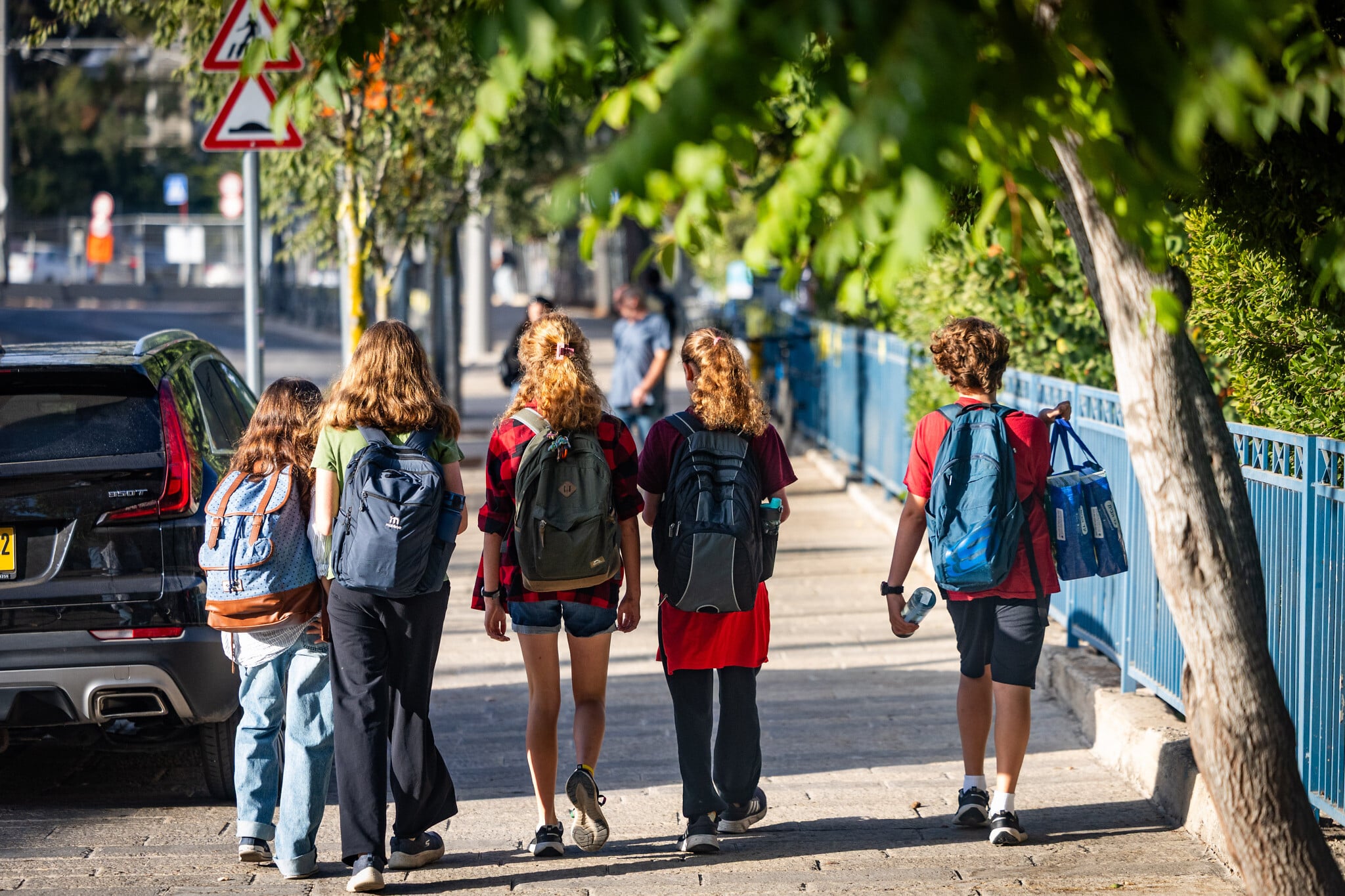
Children arrive for the first day of school in Jerusalem, September 1, 2025. (Chaim Goldberg/Flash90)
If the status quo continues, he added, Israel is “not going to be able to support a first-world economy. Which means you’re not going to have first-world healthcare like we have today, or first-world welfare, but more to the point, [you’re] not going to have a first-world army.”
Decades of warnings
Ben-David has been something of a Cassandra on the dire state of Israeli education. In 2007, he lamented the country’s “educational freefall.” Some five years later, he said, “There’s a very large segment of the Israeli population that isn’t receiving tools they can use in the modern economy.”
The core of Ben-David’s complaint centers in part on Israel’s burgeoning Haredi population, which largely does not learn subjects like math and English in its school systems despite receiving generous budgets from the government, and its growing Arab sector, where educational funding and quality and, therefore, attainment have historically been low. Taken together with Israel’s low-income socioeconomic periphery, he said this month, “roughly speaking, it’s half the kids in first grade today.”
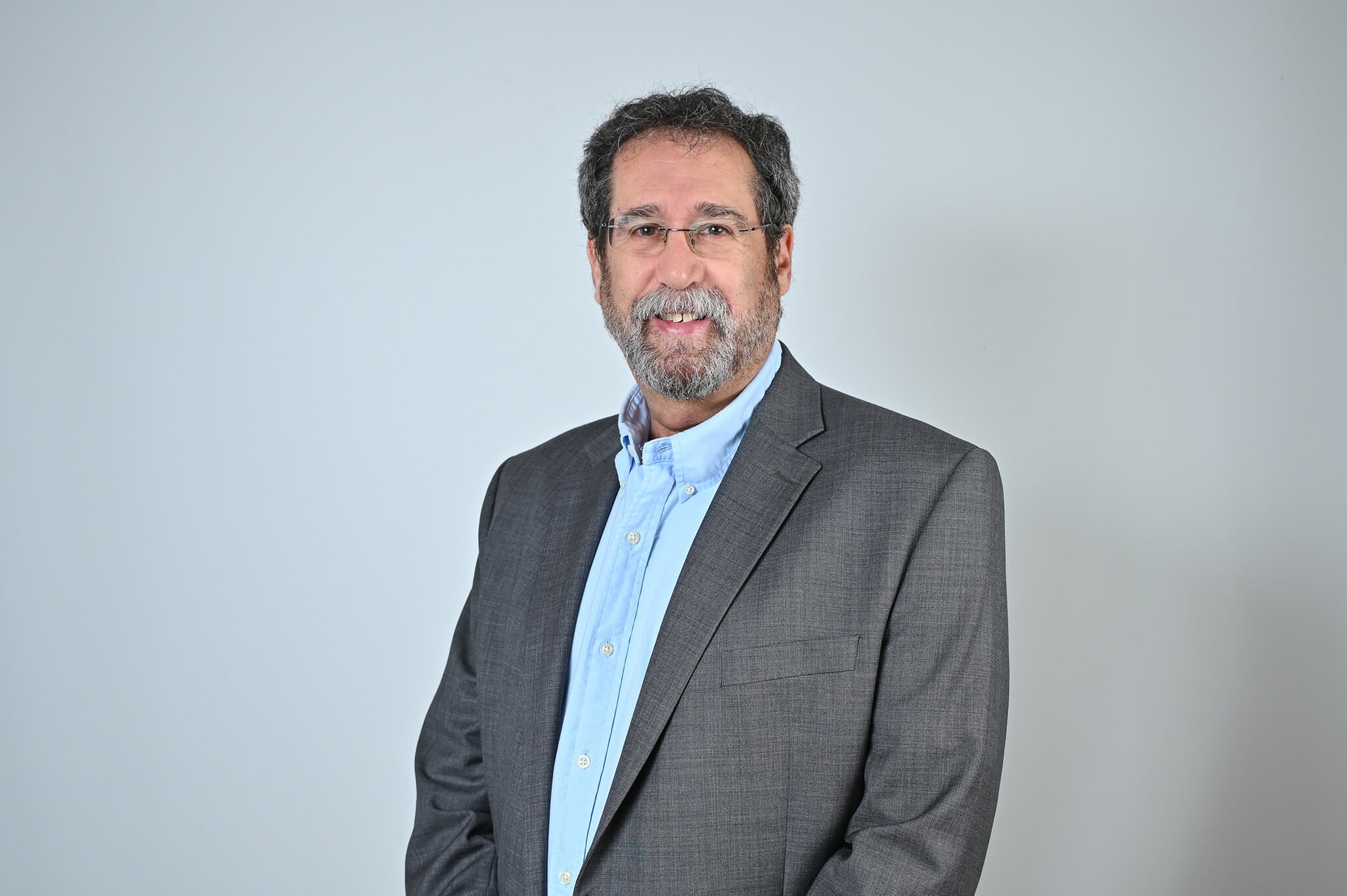
Prof. Dan Ben-David, the head of the Shoresh Institution for Socioeconomic Research. (Courtesy Shoresh Institution for Socioeconomic Research)
But lest secular and national religious Israelis get too comfortable, Ben-David made clear that they can’t scapegoat Haredim and Arabs for the poor state of Israel’s schools.
Marshalling a legion of graphs and charts, Ben-David notes that Israel has long been falling short of international benchmarks for education. The main test results he looks at are from the Program for International Student Assessment, known as the PISA, an international test in math, English and science conducted by the OECD group of developed countries.
Almost no Haredi Israeli students take it. In other words, it’s not just the ultra-Orthodox. Israel’s secular public schools are also in trouble.
“We do this on our own, without the Haredim, and the secular public schools are below the majority of OECD countries,” he said. “The education system in Israel definitely does include the Haredim. It’s a statement on us that we don’t even bother to include them in these exams, and yet we do so badly.”
A conflict of values
Israeli educators differ on the relative importance of test scores and what role they play in an educational system whose goal is to teach civic responsibility and personal decency as well as geometry and English literacy. Regardless of how Israeli students do on the tests, some argue, they’re failing the grade when it comes to things like democratic values and respect for their peers.
Nachum Blass, the education policy program chair at Israel’s Taub Center for Social Policy Studies, noted that OECD stats show Israel’s numbers have improved on the test while the average has declined. He was also skeptical of the finding that nearly all Israeli ninth graders were falling short in science, noting that the test used different criteria than previous ones.
“I look at the system and its goals in a much broader way, beyond the achievements in one exam or another,” Blass told The Times of Israel.
What he is worried about is values. While religious Zionist public schools are doing a good job turning out students with religious Zionist values, he said, he fears secular public schools aren’t following suit.
In religious schools, he said, “It’s a system of religious people, people who come out religious, people who come out nationalist. I think there, the system is more or less successful in terms of the final product of the educational system. When it comes to the general secular educational system, I’m not sure.”
He added, “The whole topic of civics, the whole topic of tolerance is treated as less important. Now, if you see that there are… extreme instances of violence, extreme instances of racism, extreme instances of a desire for revenge, that isn’t the result of a school system that speaks in terms of equality, liberalism and an understanding of democracy.”
Though Ben-David has a different take on testing, he agreed that inculcating the values of democracy — a word that has become especially fraught domestically since the government embarked on a crusade to weaken the judicial system in 2023 — is an essential part of a good education.
“Schools can reflect the neighborhoods and the communities that they’re located in,” he said. “But we have only one economy, and that skill set is the same skill set. We have only one democracy, and people have to know the difference between majority rule and tyranny of the majority and things of that nature.”
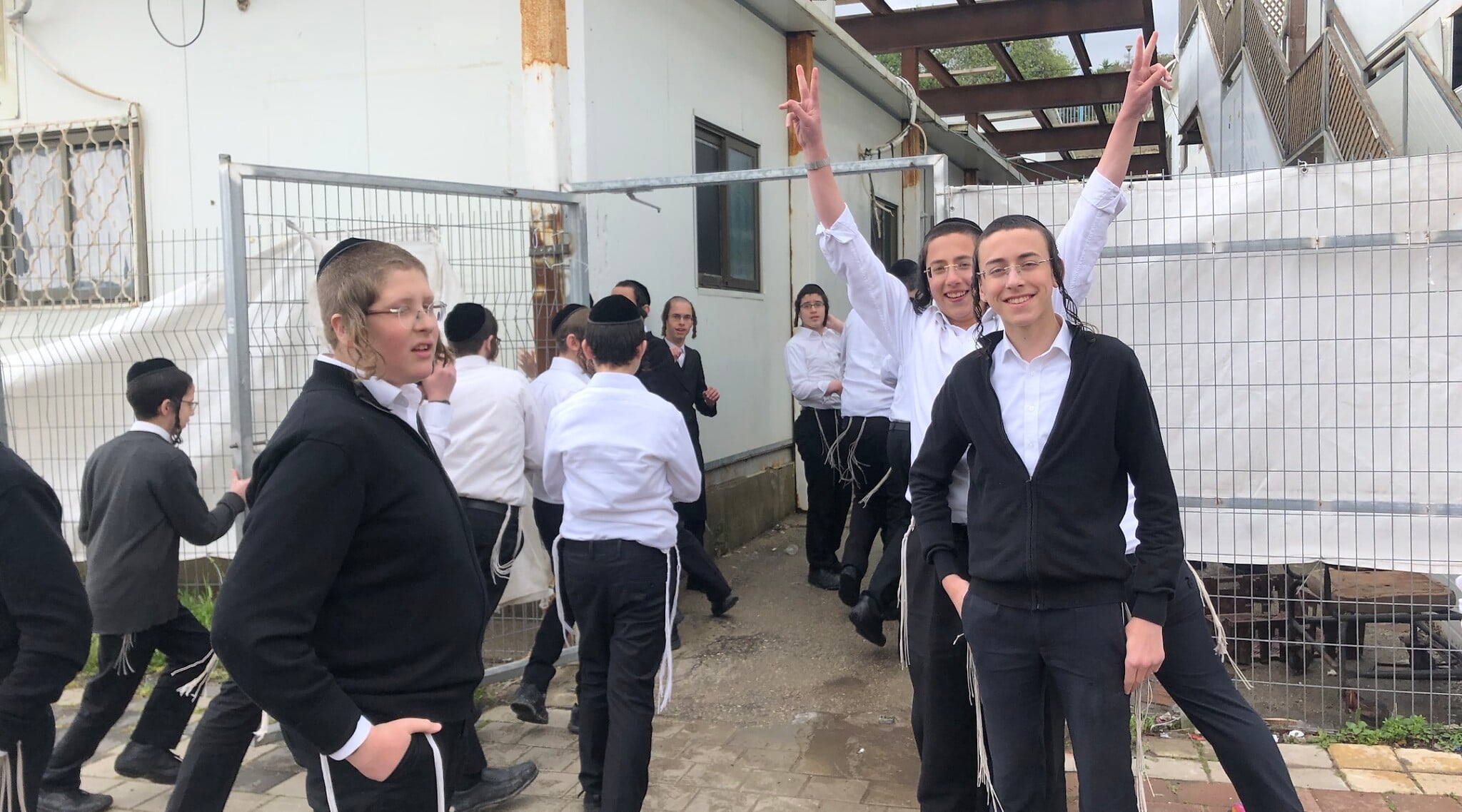
Some of the students at a Haredi boys’ school in Ramat Beit Shemesh Bet, just west of Jerusalem, on March 18, 2020. (Sam Sokol/JTA)
When it comes to the intangibles taught in school, Ozen is most concerned about students’ personal conduct. Pointing to an apparent surge in youth violence — illustrated by the gruesome killing of a pizzeria worker on Independence Day by a gang of teens — he said, “We must first of all eliminate it, stop it and only afterward start the learning itself.”
“We all see what’s happening in our country, and we’ve already seen it among the youth in recent months,” he said. “We see it vividly. So the issue of [emotional] security, the social issue, we need to give it more emphasis.”
What does the future portend?
Critics of the schools’ shortcomings have lavished attention on Kisch, the education minister, who raised ire when he reportedly removed material on democracy from Israel’s matriculation exams.
In addition, a recent report in Haaretz said a secret unit in the ministry, led by a former Shin Bet agent, compiles dossiers on teachers who oppose Prime Minister Benjamin Netanyahu’s coalition and has run a campaign that has “led to firings, hearings and disciplinary steps against public servants who dared criticize the government.”
But Blass, Ben-David and Ozen all said the issues plaguing the system go deeper than one minister.
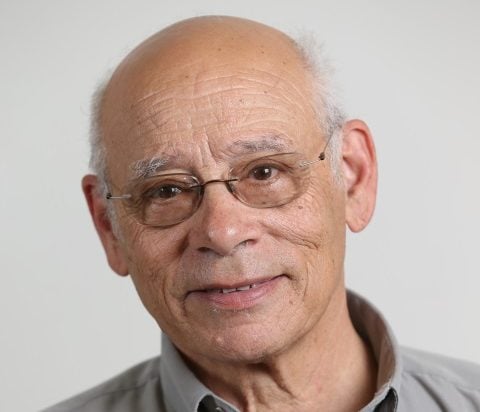
The Taub Center’s Nachum Blass. (Courtesy)
“This is not something new. It’s not due to one education minister or another,” said Ben-David. “It’s an entire way that we view things. It’s just how governments, one after the other, sweep everything under the rug and hope for the best in the future, just kick the can down the road.”
Blass and Ben-David both likewise downplayed concerns about a shortage of teachers, pointing to data showing student-to-teacher ratios in line with those of other countries. That’s despite a local shortage in teachers leading to kindergarten closures earlier this school year in Tel Aviv, and additional strain on the education system as some teachers have been called to serve in the military reserves.
They are both worried, in different ways, about what the future portends. Ben-David has been warning for years about what a diminishingly educated population will mean for the success of the sliver of Israelis who make up its tech workforce, healthcare industry and academic world.
Blass is less concerned about the tech sector’s prognosis. People will always find a way to attain skills and make money, he said. What he’s worried about, he said, is what kind of people those people will be, and what kind of country they will inhabit.
“I’m not troubled about the Jewish ‘Start-Up Nation,’” he said. “Children will always want to learn what will give them and their parents a good income, and so they’ll learn this, either in school or somewhere else. What’s much more troubling to me is the democratic future of the State of Israel. The future of equality in the state of Israel, quality of life in the State of Israel — they trouble me much more.”