
Last week, images of National Security Minister Itamar Ben Gvir taunting kneeling activists from a Gaza-bound flotilla quickly circled the globe.
In Europe, within minutes of Ben Gvir posting the video on X, the story shot to the top of virtually every major media outlet.
For center-right Italian politicians, the episode represented yet another embarrassing incident in which they had to distance themselves from a country that, until recently, they had largely described as an ally.
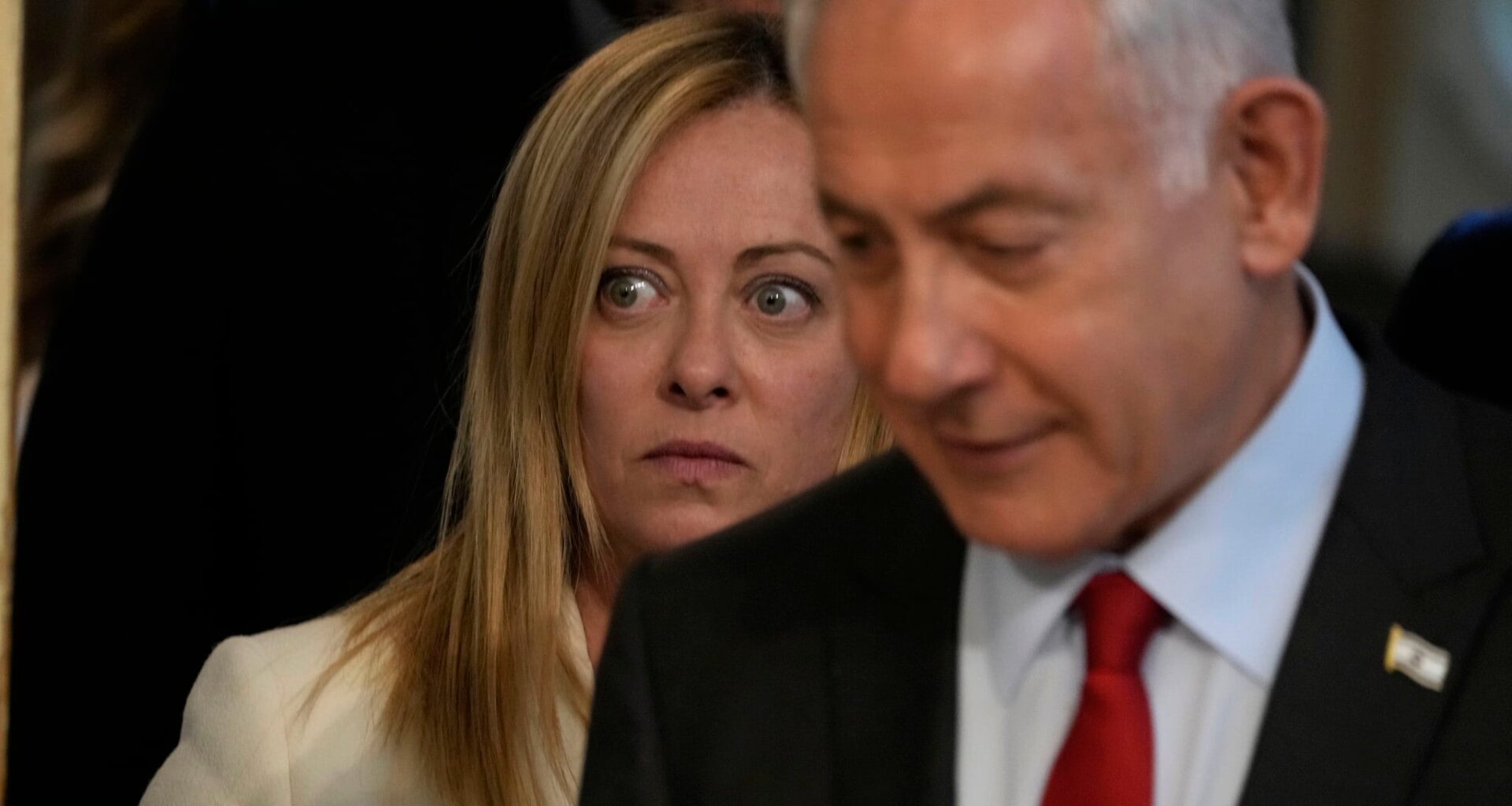
“It is not acceptable that these activists, many of whom are Italian citizens, are subjected to treatment that violates human dignity,” Prime Minister Giorgia Meloni wrote on X less than two hours after Ben Gvir’s original post. “Italy demands an apology.”
According to Alissa Pavia, an Italian senior fellow at the American think tank Atlantic Council, the episode could represent a dramatic turn in ties between the two countries.
Get The Times of Israel’s Daily Edition
by email and never miss our top stories
By signing up, you agree to the terms
“Israel may be losing one of its last major allies in Europe,” she wrote in a thread on X the following day. “As more details emerge from the testimonies of Sumud Flotilla activists, the divide between Rome and Jerusalem appears headed toward a complete rupture.”
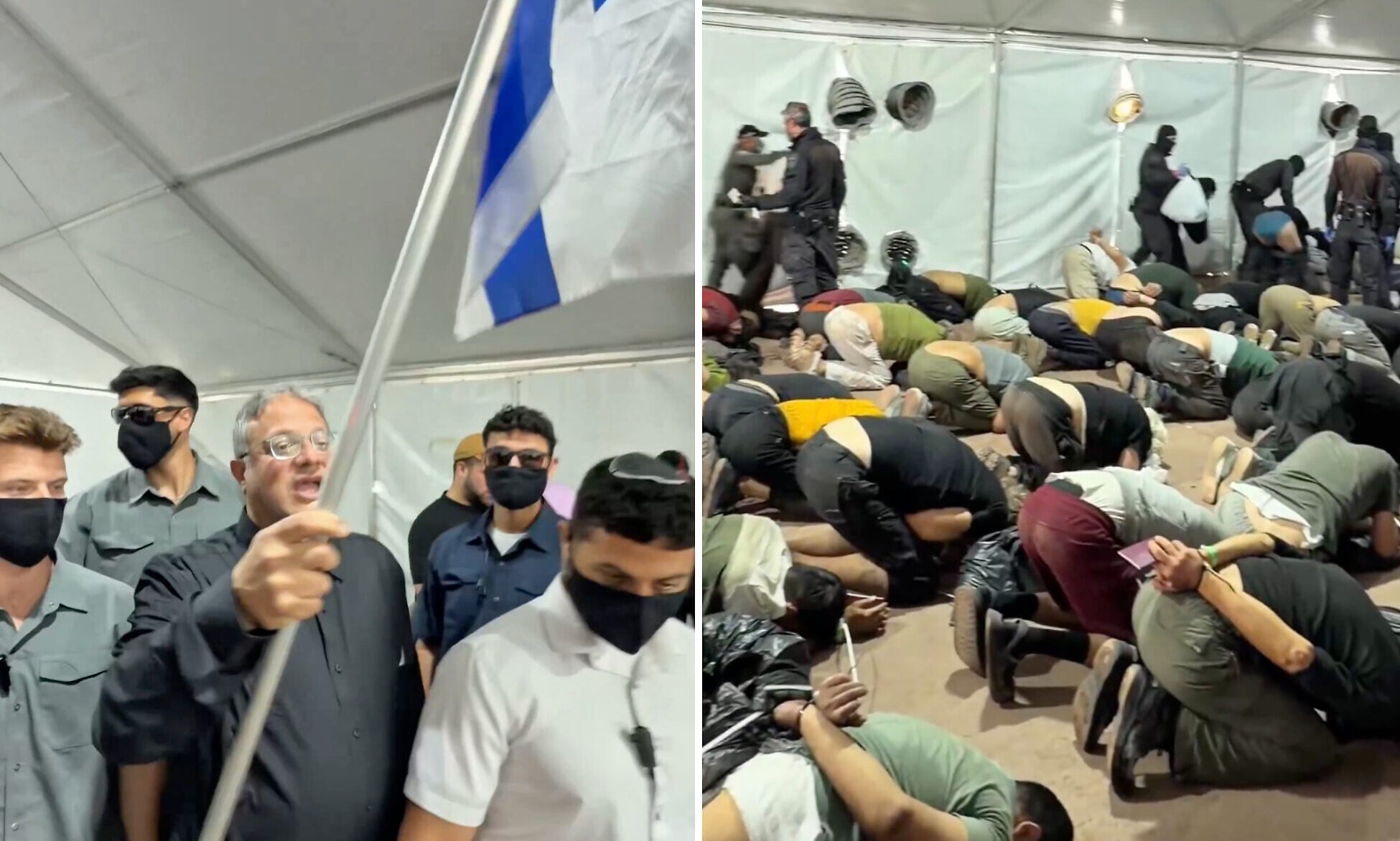
National Security Minister Itamar Ben Gvir taunts detained flotilla activists at Ashdod Port on May 20, 2026. (Screenshot/Ben Gvir’s X account)
Meloni and her government have hardly been fans of past flotilla initiatives or the activists behind them.
In September, as the previous Global Sumud Flotilla sailed toward the Middle East, she described it as “gratuitous, dangerous, and irresponsible.”
However, seven months later, even before Ben Gvir’s stunt, Meloni struck a different tone, following the April 30 Israeli interception of several flotilla boats near the Greek island of Crete over 1,000 kilometers from Italy’s coast.
“The government condemns the seizure of the Global Sumud Flotilla vessels in international waters off the Greek coast and calls on the Israeli government to immediately release all Italians who were illegally detained, ” read a statement by the premier.
Since Meloni was elected in 2022, Rome has been one of Jerusalem’s most sympathetic allies within the European Union. While Italy maintained the traditional European stance in favor of the two-state solution, the government also largely considered Prime Minister Benjamin Netanyahu as a member of the same political family.
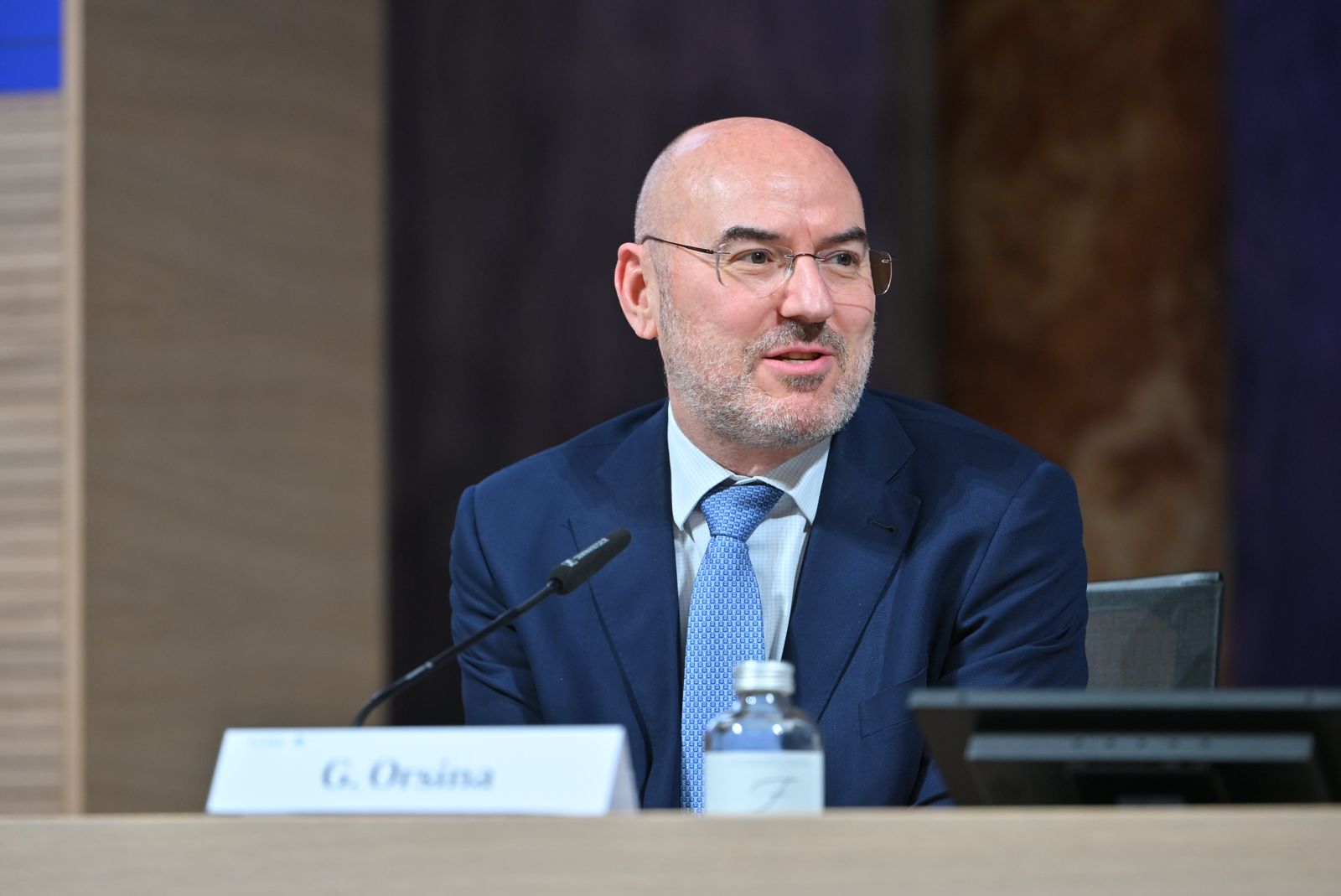
Giovanni Orsina, Director of the Political Science Department at Luiss Guido Carli University. (Courtesy)
“Italy has a historical tradition of good relations with Israel, but also with the Arab world,” said Giovanni Orsina, director of the Political Science Department at Luiss Guido Carli University in Rome, who has written extensively on right-wing movements and their political history and evolution in Italy and beyond.
“Under the Meloni government, the closeness to Israel has intensified,” he told The Times of Israel over the telephone. “They have been more favorable toward Israel than [previous governments].”
That closeness has weakened in the past few months.
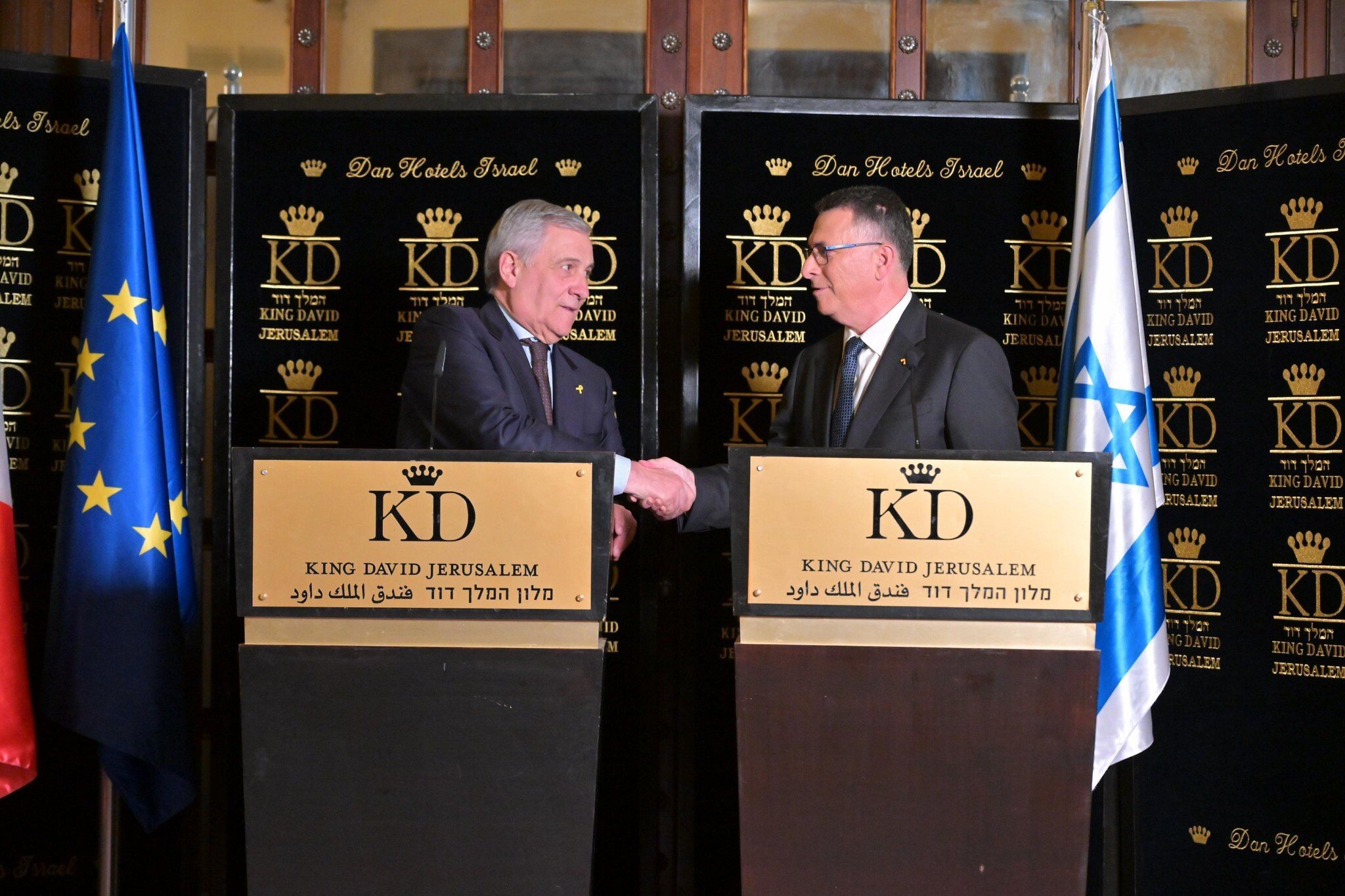
Israeli Foreign Minister Gideon Sa’ar, right, and Italian Foreign Minister Antonio Tajani at a joint press conference at the King David Hotel in Jerusalem, January 20, 2025. (Shlomi Amsalem, GPO)
“The actions taken by Israel sparked a very strong outcry among a significant portion of the Italian public,” Orsina said. “In my opinion, it’s not as large as people say, but it’s very active. Italy has also always valued its European partnerships and multilateralism. For all these reasons, the Italian government has visibly found itself in difficulty and has changed policy.”
Don’t mess with the Catholic Church
According to Lorenzo Castellani, an analyst for several Italian media outlets and a tenure-track researcher at Luiss, the main factors prompting the shift can be identified in incidents in Israel involving the Christian community, specifically the Catholic community, and the recent US-Israel war against Iran.
“The vast majority of Italians have a Catholic upbringing, even if they might not be religious,” he told The Times of Israel over the telephone. “The Vatican sits in Rome and has traditionally had a large influence on Italian politics.”
Between April and May, episodes including Israeli police preventing Latin Patriarch Pierbattista Pizzaballa from celebrating a private Palm Sunday mass at the Church of the Holy Sepulchre in Jerusalem and soldiers smashing a statue of Jesus in southern Lebanon sparked outrage across the world.
Castellani says the impact of the anti-Christian incidents was of outsized significance in Italy — beyond that of episodes involving flotilla activists — especially for the government and among its supporters.
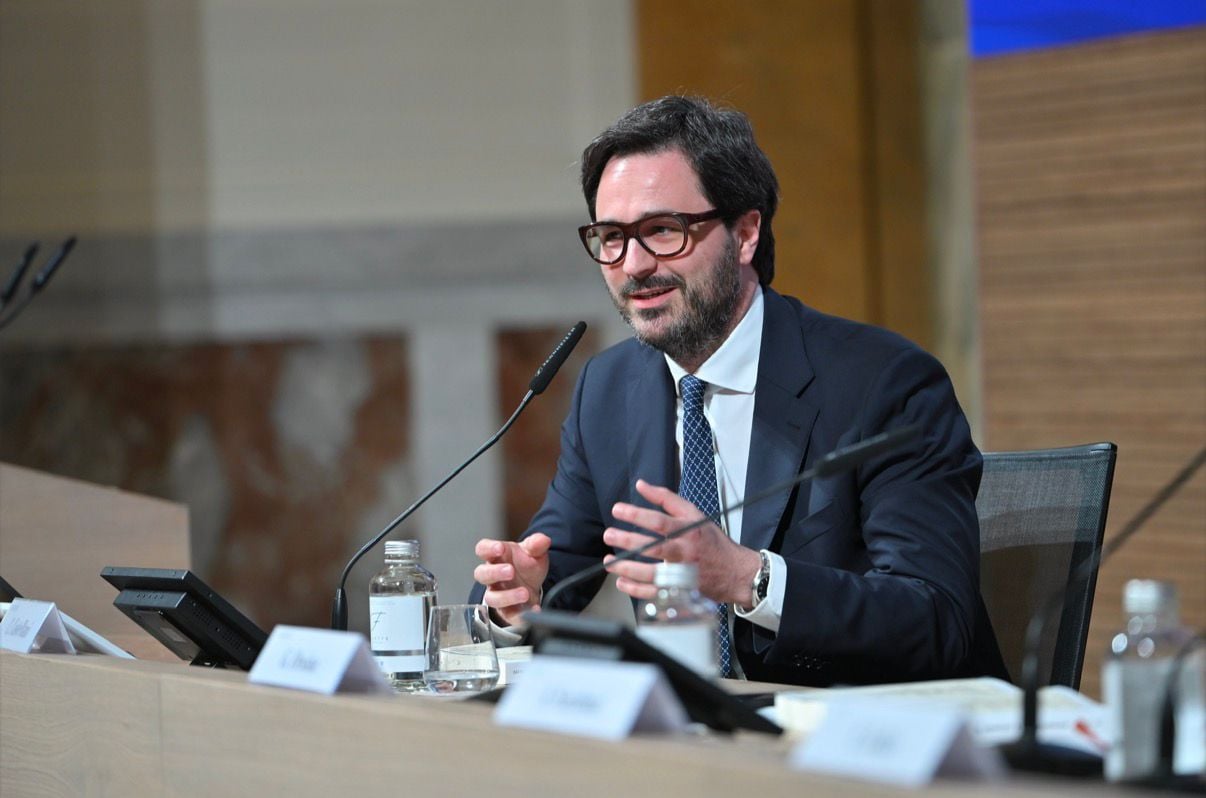
Lorenzo Castellani, a political analyst and tenure-track researcher at the LUISS Guido Carli University in Rome. (Courtesy)
The Catholic Church factor was also crucial in Meloni’s decision to take an explicit stance against Donald Trump.
“Meloni effectively broke with Trump when he attacked the pope,” Castellani noted.
The increasingly tense connection between Meloni and Trump played a significant role in her distancing from Israel, Castellani argued.
“If we look at Giorgia Meloni’s statements until the beginning of 2026, her comments closely mirrored those of the White House,” Castellani said. “The relationship between Trump and Netanyahu has always been viewed in Italy as a strong bond, [prompting the government] to maintain a position on Israel aligned with the one toward the US.”
However, Italian public opinion, including that of its right-wing voters, has become increasingly skeptical of Trump. A poll conducted by the Instituto Demopolis polling firm, interviewing 2,000 Italian adults, showed that Trump’s approval rate in Italy decreased from 42% in January 2025 to only 12% in April 2026 (no margin of error was provided).
As the Italian government took a firmer position against the US president, it became easier to change its approach to Israel as well.
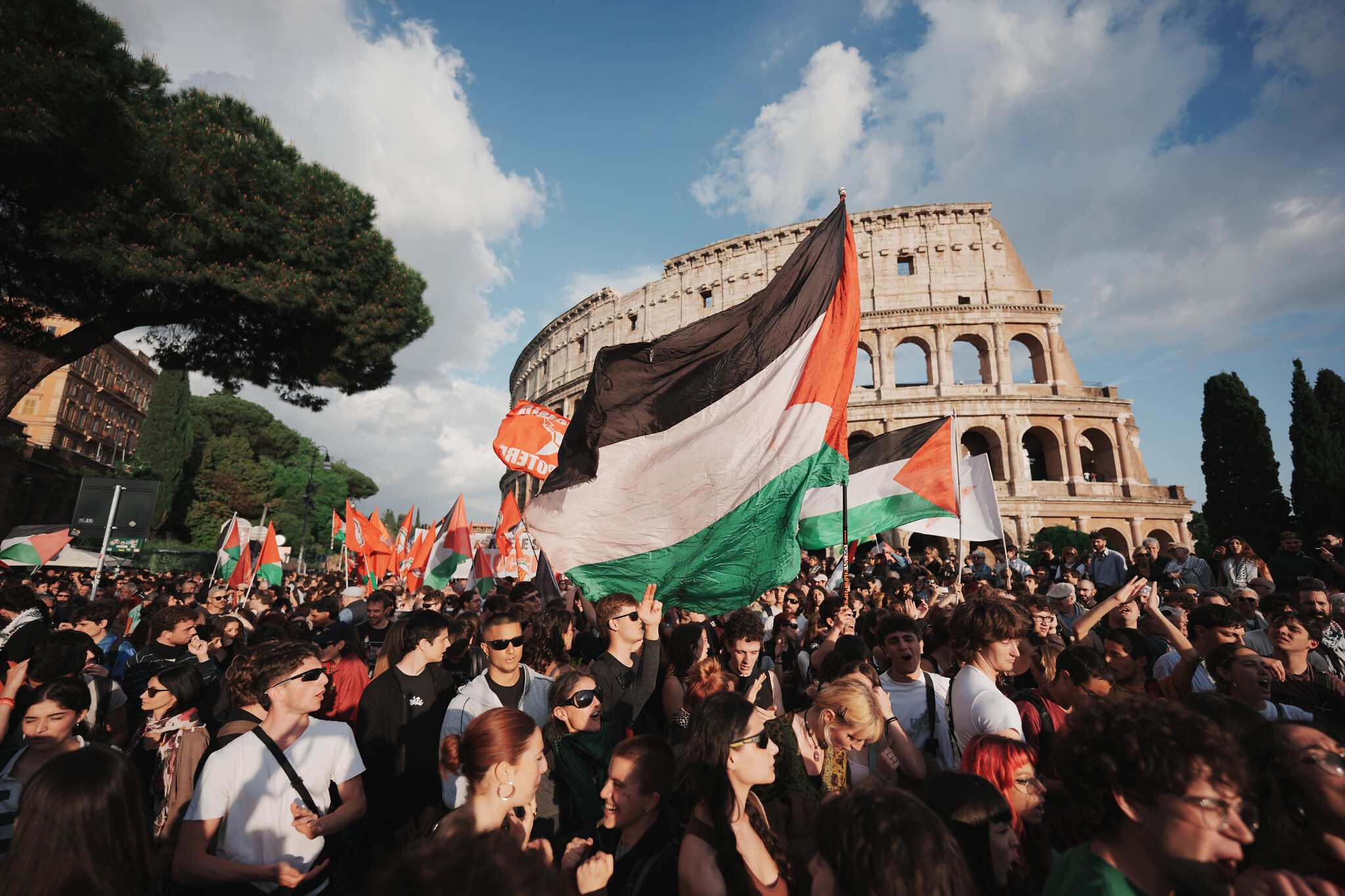
People stage a protest after activists attempting to break Israel’s maritime blockade of Gaza say Israeli forces have intercepted their “Global Sumud Flotilla” near the southern Greek island of Crete, in Rome, Thursday, April 30, 2026. (AP Photo/Andrew Medichini)
“After years spent investing in her internationalist image — hoping it would grant her legitimacy abroad, which to a large extent it did — both Trump and Netanyahu have repeatedly undermined [Meloni] politically,” Pavia wrote.
‘Gaza generation’
Ultimately, it was the latest round of the war with Iran that really marked a turning point.
If those Italians who identify as left or center-left already tended to be overwhelmingly critical of Israel, geopolitical upheaval sparked by the US-Israel confrontation with Tehran left many on the right also troubled.
“The Italian electorate tends to be very skeptical of wars, in a more ideological way on the left and more opportunistic on the right,” Castellani said. “In other words, if a war impacting the Italian budget and economy is waged, this clearly cools the [center-right’s] electorate’s political stance toward those doing it.”
According to a recent survey conducted by the polling firm YouTrend for the Italian SkyTG24 TV Channel, only 11% of Italians believe Israel should be considered an ally, including just 21% of center-right voters (the rate among center-left voters was not disclosed). The poll was conducted at the end of April, interviewing 834 adults representative of the Italian population with a margin of error of 3.4%.
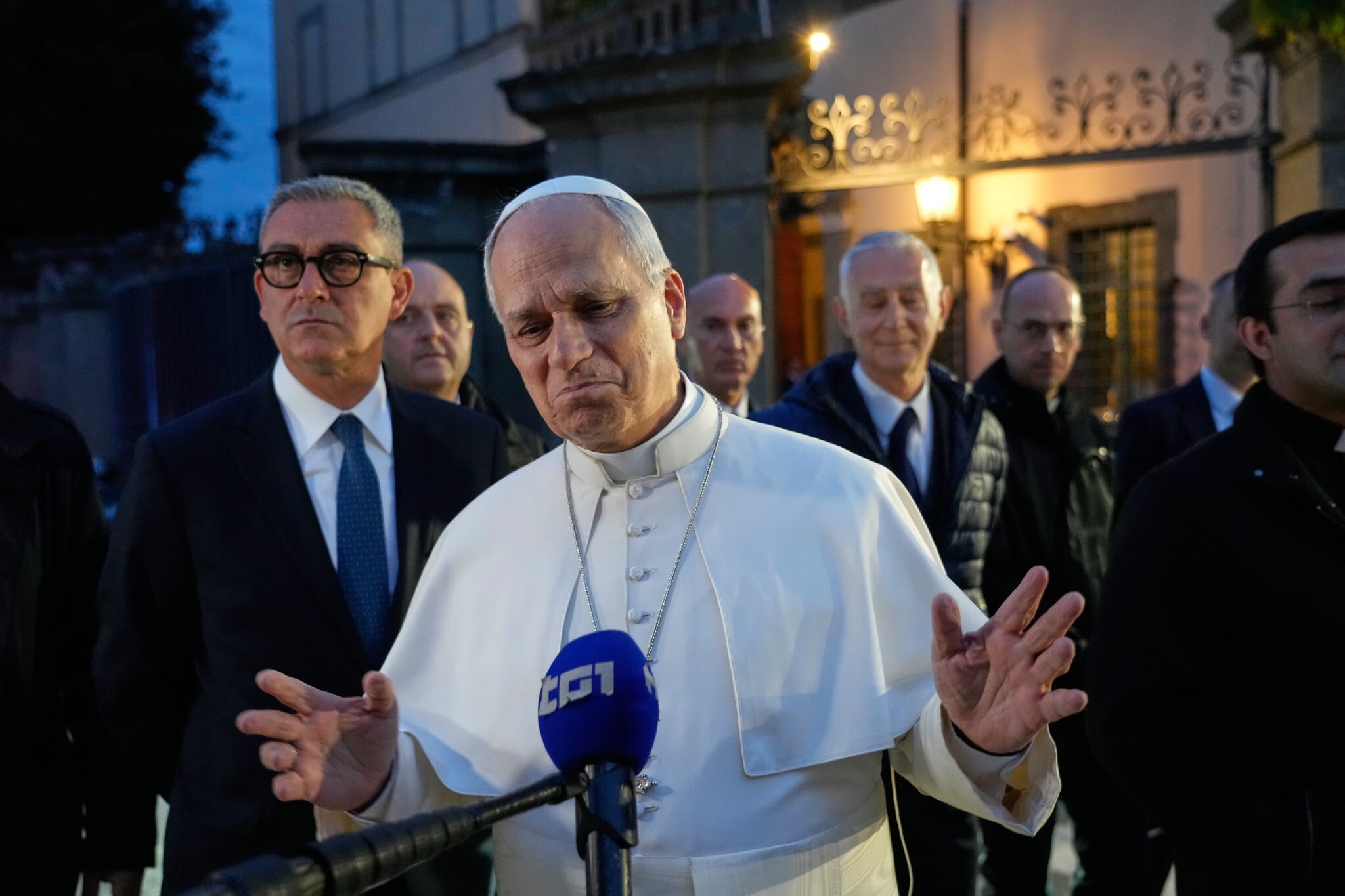
Pope Leo XIV talks to journalists as he leaves his residence in Castel Gandolfo, on the outskirts of Rome, to return to the Vatican, May 5, 2026. (AP/Gregorio Borgia)
By comparison, the rates among Italians considering a country an ally were 42% for Ukraine, 37% for the US, 17% for Egypt, 11% for Russia, and 4% for Iran.
“There’s no doubt that there has been a growth of criticism toward Israel among the Italian public,” Orsina said. “Public pressure has also mounted among Meloni’s voters, and this has influenced her policy. Meloni doesn’t like being pushed by events, but at a certain point, events began to push very strongly, and she eventually adapted.”
On March 22 and 23, some three weeks after the hostilities between the US, Israel and Iran began, Italians voted in a referendum on an expansive constitutional reform on the judiciary. Considered an essential piece of the government’s agenda, in a somewhat surprising result, over 53% of the voters rejected the reform.
Israel may be losing one of its last major allies in Europe.
As more details emerge from the testimonies of Sumud Flotilla activists, the divide between Rome and Jerusalem appears headed toward a complete rupture.
— Alissa Pavia (@alissa_pavia) May 22, 2026
Many analysts suggested that one of the crucial factors in the government’s defeat was the electorate’s desire to protest its foreign policy stance, especially since younger voters overwhelmingly rejected the reform (around 60% of those aged 18 to 34). Several pundits referred to them as the “Gaza generation.”
“Among young people, there is certainly greater attention to foreign policy,” Castellani said. “While this may not have directly influenced the referendum vote itself, if we consider how it affects the reputation of the United States or Israel, we see that it is more tarnished among those age groups than elsewhere.”
Both Castellani and Orsina were skeptical that foreign policy had a significant influence on the referendum outcome, arguing it was more closely tied to domestic issues.
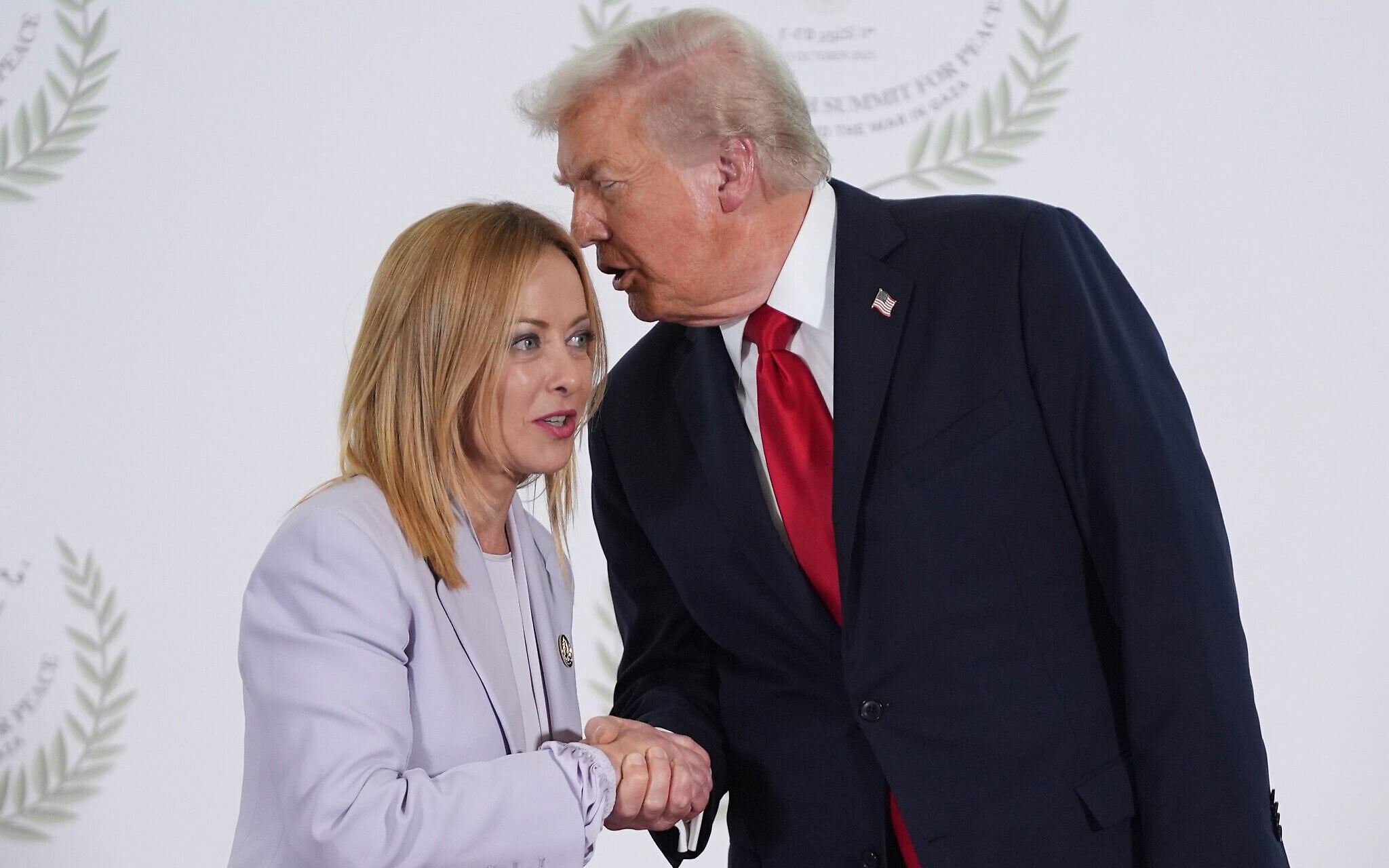
US President Donald Trump greets Italy’s Prime Minister Giorgia Meloni during a summit to support ending the more than two-year Israel-Hamas war in Gaza, Oct. 13, 2025, in Sharm El Sheikh, Egypt. (AP Photo/Evan Vucci, Pool, File)
According to Castellani, the mobilization for Gaza is unlikely to have a real impact on elections, although opposition parties have been using it as a tool to find common ground.
“The opposition today certainly finds in these demonstrations a point of unity, one of the few they have,” he said.
However, beyond ideology, a war that is hurting people’s pockets, like the conflict with Iran, might really have far-reaching internal implications.
A rift that can be repaired?
In the past three months, the Italian government has suspended the defense cooperation deal with Israel, summoned the ambassador three times, and criticized Israel in harsh tones a number of times. It has also opened up to the possibility of approving European sanctions against violent settlers and, after the flotilla video, has been actively seeking to impose EU sanctions on Ben Gvir.
Orsina and Castellani stressed that Italy is still refraining from supporting harsher measures, such as general EU sanctions against the country or the downgrading of diplomatic relations.
According to Orsina, much will depend on how things continue to play out in Israel and on what stance other European countries take.
“I think this government is trying to do as little as possible [against Israel],” said Orsina. “Of course, if international pressure were to mount, a lot depends on what the European partners do, especially Germany. This is also a key argument in the domestic arena. As long as Germany opposes certain measures, this legitimizes it also for Italy.”
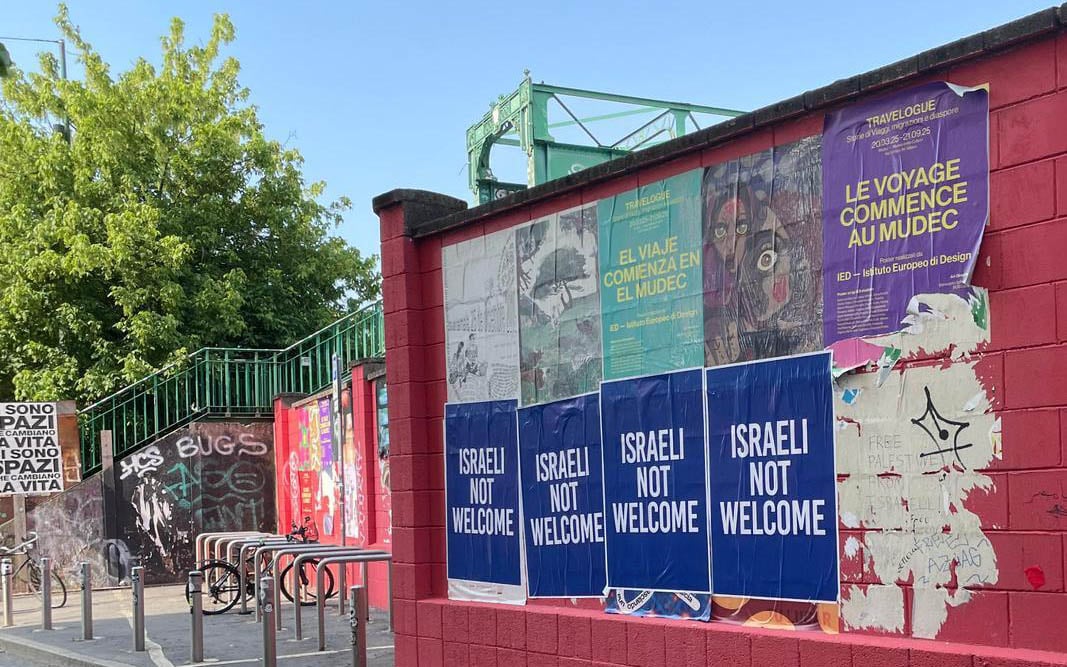
Posters reading ‘Israeli not welcome’ appeared in several locations in Milan, Italy on June 26, 2025. (Courtesy of Afshin Kaboli)
Castellani refuted the notion that Italians have a deep-seated prejudice against Israel and stressed that the trend toward a cooler relationship can still be reversed.
“In my opinion, much of the current animosity towards Israel is linked to the ongoing war,” he said. “If a ceasefire is reached [with Iran] and the reconstruction in Gaza starts showing results, I believe the situation can change.”
“[Italians see] Israel as a country that has a very radical, extremist faction within the government; the problem lies more with this group than with Israel itself,” Castellani said. “The relationship isn’t irreparably compromised; there’s a rift — it’s not a definitive break.”