
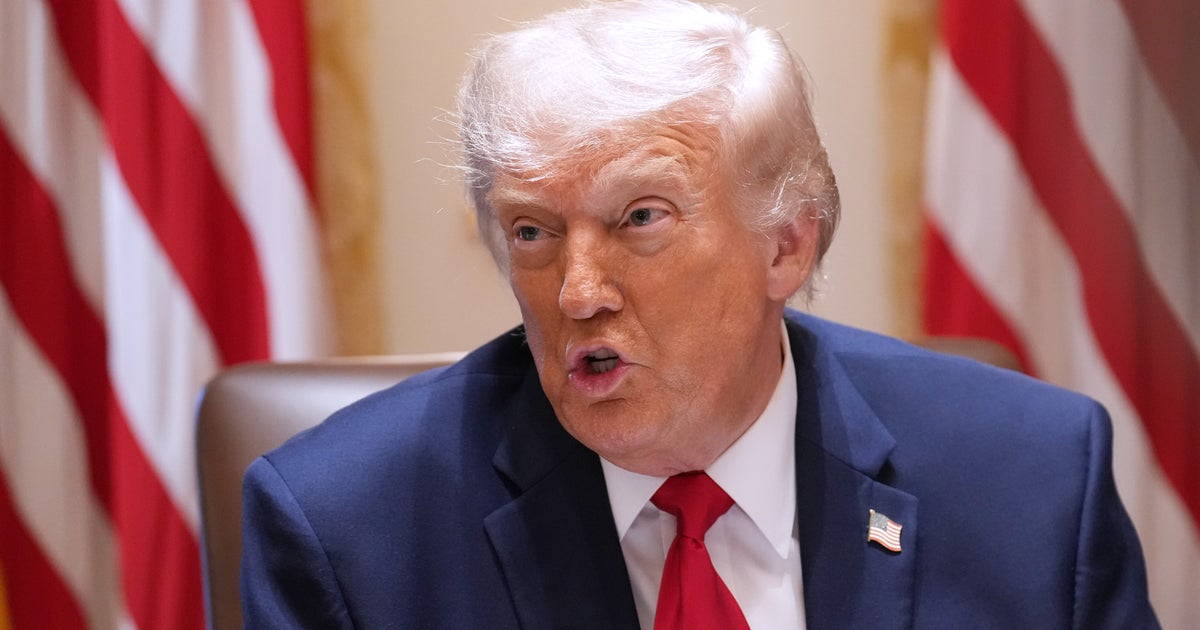
After blowing up an immigration enforcement bill by creating an “Anti-Weaponization Fund” that infuriated Republican lawmakers, President Donald Trump may have set back another part of his policy agenda by tapping Bill Pulte as director of national intelligence.
Pulte is a Trump loyalist who’s used his perch at the Federal Housing Finance Agency to accuse Trump’s enemies of mortgage fraud. Now Trump’s putting him in charge of foreign surveillance right when Congress is about to debate another extension of the government’s controversial warrantless spy powers.
“Congress must not sign away unchecked spying powers to the government when Donald Trump’s top spy is a man whose primary qualification is his willingness to weaponize sensitive information held by the government against the president’s political enemies,” Sean Vitka, director of the liberal group Demand Progress, said in a statement.
Several Republican senators questioned Pulte’s qualifications for the position on Tuesday, as did Sen. Mark Warner (D-Va.), the top Democrat on the Senate Intelligence Committee and a supporter of clean FISA extensions.
“Rather than selecting a respected national security professional capable of delivering independent judgments, the president has chosen an official who has demonstrated not just willingness but eagerness to use the authorities of government to pursue political retribution,” Warner said.
Demand Progress and a coalition of civil liberties and progressive groups, including the ACLU and Indivisible, urged top lawmakers this week to allow amendments to the next extension of Section 702 of the Foreign Intelligence Surveillance Act, or FISA. Their top demand is to require law enforcement agencies to get court approval when they want to look up Americans’ data that’s been collected in the course of spying on foreign targets.
“Congress must not abandon Americans’ constitutional rights and instead should reject any extension that does not include key bipartisan reforms that would protect Americans’ privacy and civil rights and liberties,” the groups said.
The last FISA extension debate, in April, was a mess, with a bipartisan coalition insisting on reforms before accepting a temporary reauthorization. Next week’s Section 702 deadline will likely be a mess, too.