
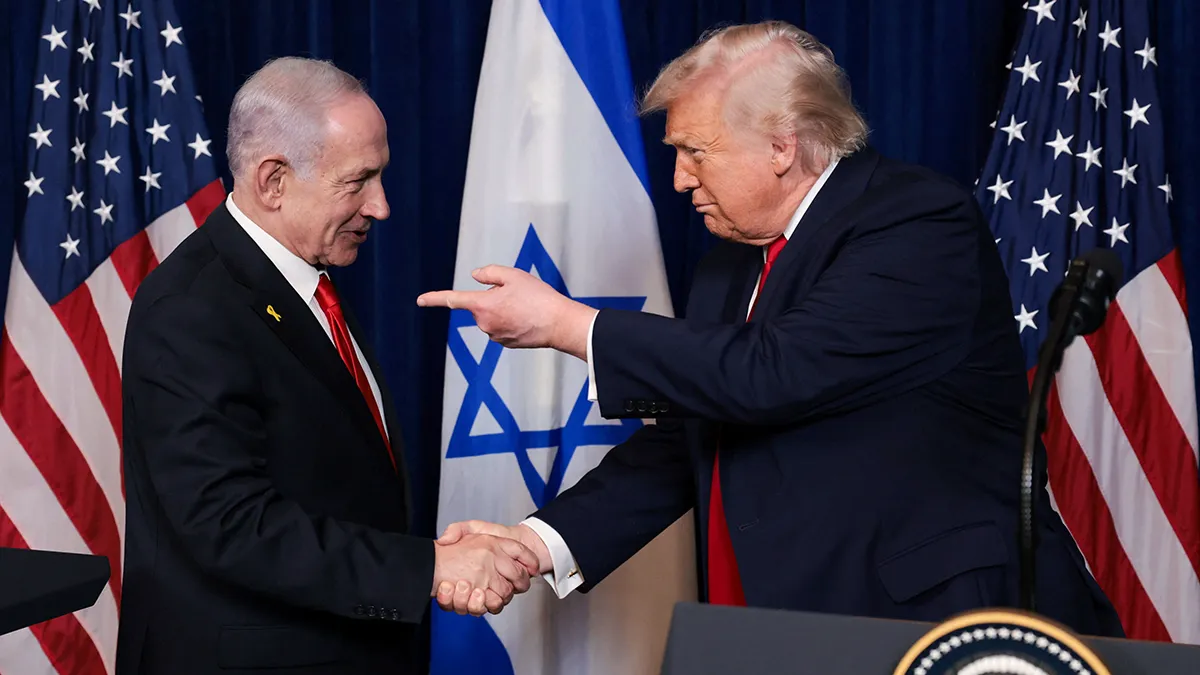
Israeli opposition describes US influence as “humiliation”
The impact of the ceasefire on the conflict between Israel and Lebanon
Benjamin Netanyahu is facing a political storm in Israel following statements by US President Donald Trump, who claimed that the Israeli government would halt its plans to attack Hezbollah in Beirut.
This has created an extremely tense situation in the country’s domestic politics, just as polls place the prime minister in a vulnerable position ahead of the October general election.
Trump’s announcement of an agreement on a ceasefire came hours after Netanyahu ordered airstrikes on the southern suburbs of Beirut. The subsequent confirmation by the Lebanese government of a new ceasefire set off alarm bells among the Israeli opposition, which accuses the prime minister of allowing Washington to dictate the country’s military policy.
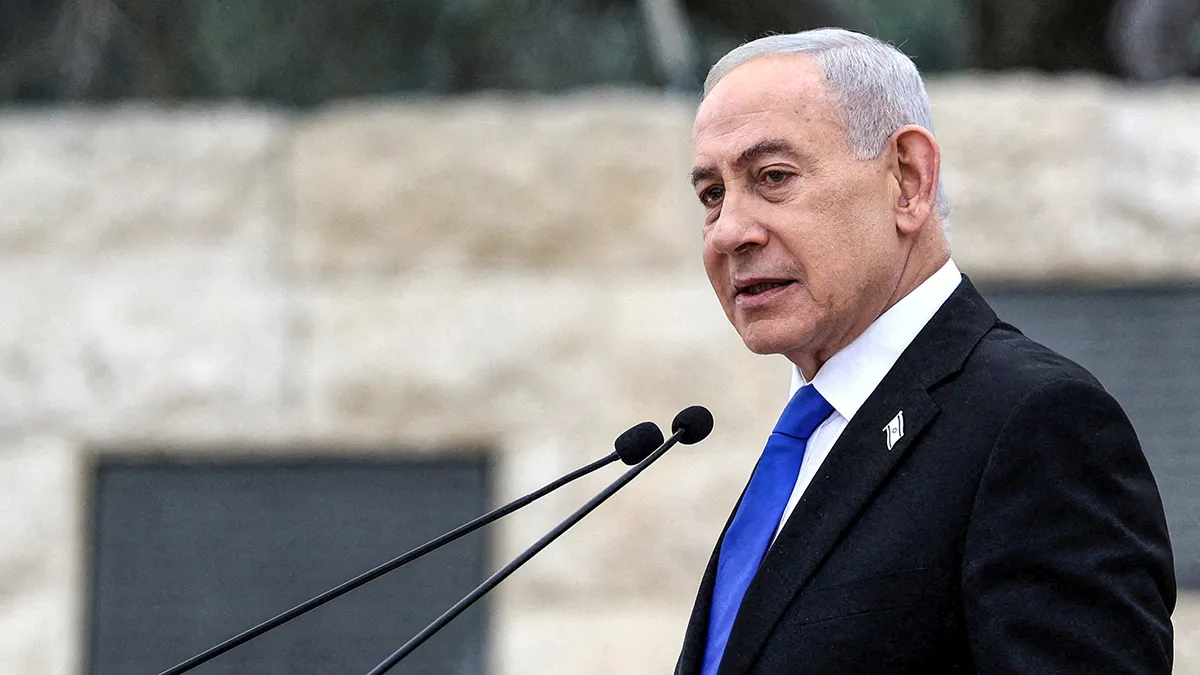
Israeli Prime Minister Benjamin Netanyahu – PHOTO/ ILIA YEFIMOVICH via REUTERS
Israeli opposition describes US influence as “humiliation”
Netanyahu’s main political rivals have been quick to capitalise on the situation. Former Prime Minister and right-wing figurehead Naftali Bennett harshly criticised the loss of control over Israeli sovereignty. For his part, centrist leader Yair Lapid described the current relationship with the US as a “total protectorate”, directly accusing the Prime Minister of acting as if Israel were a US satellite state.
Cracks have even emerged within the most radical wing of the coalition government itself. The Minister of National Security, Itamar Ben Gvir, publicly stated that Israel should have rejected Trump’s demands. These criticisms were echoed by the former Chief of Staff, Gadi Eisenkot, who described the US pressure as a humiliating demand unprecedented in the country’s history.
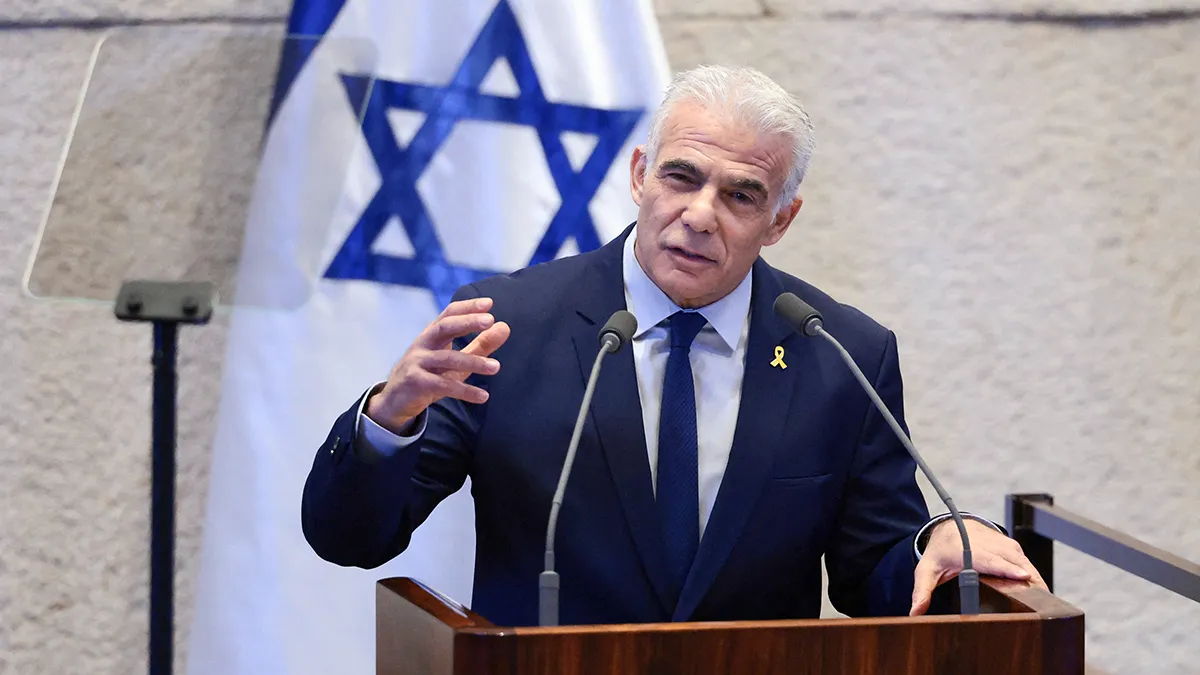
Israeli opposition leader Yair Lapid addresses the Knesset in Jerusalem on 13 October 2025 – REUTERS/EVELYN HOCKSTEIN
The impact of the ceasefire on the conflict between Israel and Lebanon
Despite the diplomatic efforts of Donald Trump’s administration, the volatility on the border remains extreme. Since the escalation of hostilities began in March, the Israeli offensive in southern Lebanon has left thousands dead and over a million displaced, whilst Hezbollah continues to launch rockets and drones against northern Israel, claiming the lives of dozens of Israeli soldiers and civilians.
In response to the accusations, Netanyahu maintains that Israel’s military stance remains unchanged and that the attacks under his command have severely weakened the structure of Hezbollah. Defence Minister Israel Katz admitted that the army refrained from striking Beirut at the express request of the United States, but warned that any provocation by the Shia group would trigger an immediate response against its strongholds in the Lebanese capital.