
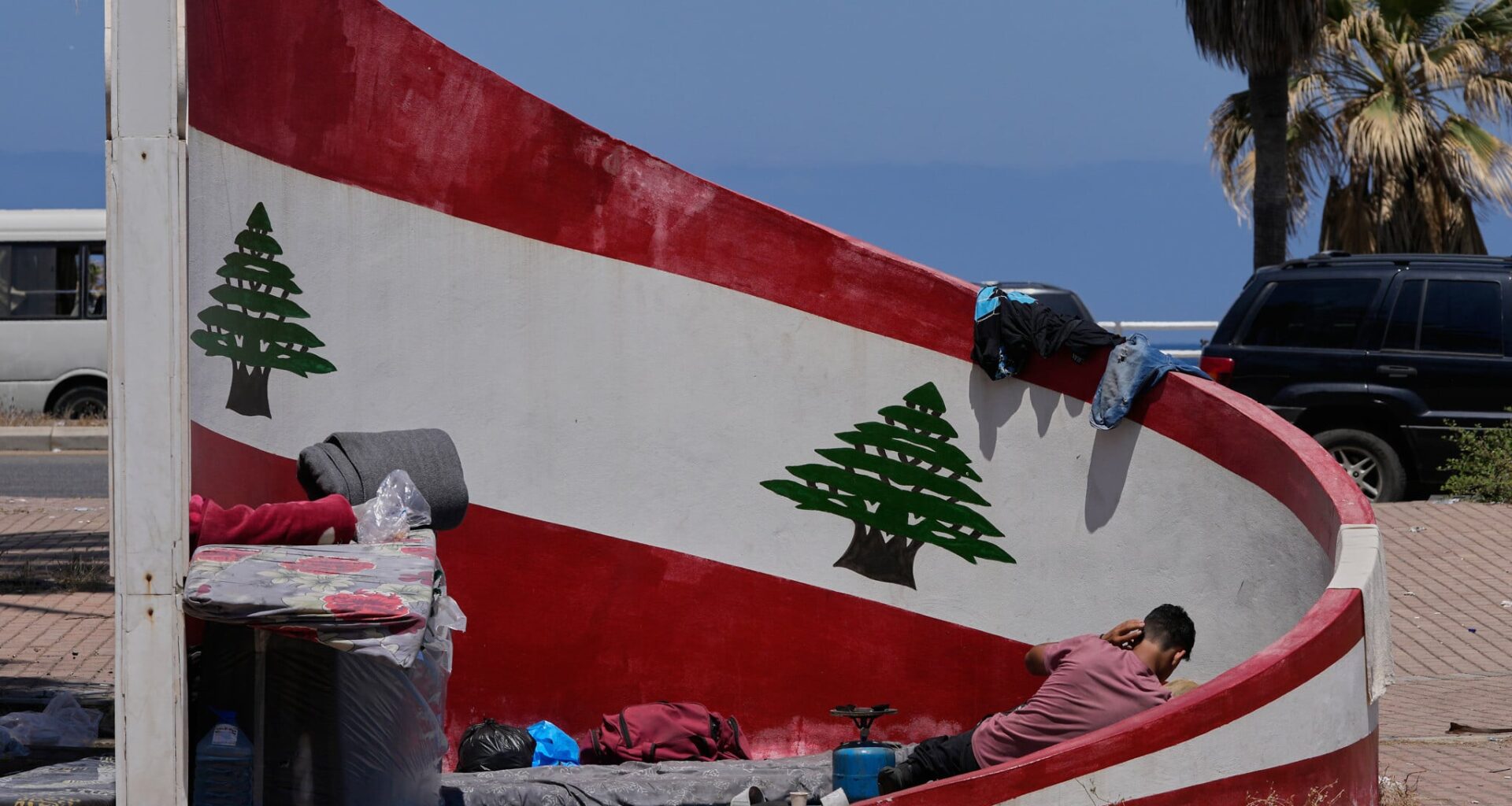
Prime Minister Benjamin Netanyahu on Wednesday urged the Lebanese people to “join Israel” in peace and reject Iran and Hezbollah, declaring that “Israel is not at war with you,” but is only looking to oust the Iran-backed terror group and its “sick aims” with its military operations in the country.
The message came as Israel continued its strikes in southern Lebanon, which Lebanese security sources said killed at least 13 people throughout the day. The IDF said the strikes targeted Hezbollah operatives, as well as infrastructure belonging to the terror group, including a cache of weapons.
“I have a message for you, the people of Lebanon. Israel is not at war with you,” Netanyahu said in his English video message, which had Arabic subtitles.
“We’re at war with Hezbollah, that has taken your country hostage, that does Iran’s bidding, that uses your territory to launch terrorist attacks against Israel,” he said.
“Hezbollah is weaker than ever. Israel is stronger than ever,” Netanyahu continued, saying the IDF has eliminated nearly 10,000 Hezbollah terrorists and is “systematically clearing out South Lebanon of these fanatics.”
Get The Times of Israel’s Daily Edition
by email and never miss our top stories
By signing up, you agree to the terms
Along with Israel’s military actions against the Lebanese terror group, “we yearn for peace with you, with Lebanon,” the premier added. “A peace where our two peoples can invest together, build together, thrive together. The only impediment, the only obstacle to this beautiful vision is Hezbollah,” he said.
رسالتي إلى الشعب اللبناني pic.twitter.com/I2aU7MYV6P
— Benjamin Netanyahu – בנימין נתניהו (@netanyahu) June 10, 2026
“They will sacrifice as many of you as possible to achieve their sick aims,” he warned, adding, “seize your future. Join Israel… once Hezbollah is dismantled, the possibilities are endless. And they are sky high.”
The statement marked the second such appeal by an Israeli leader on Wednesday, after President Isaac Herzog sent an Arabic-language message to Lebanese President Joseph Aoun, telling his counterpart that he hopes for “peace” between their countries, but stressing that such an outcome depends on Beirut curbing the influence of Iran and its proxy Hezbollah.
“I extend a hand of peace to the president of Lebanon and to the Lebanese people. But it is your responsibility to secure Lebanon’s freedom from the dictates of Hezbollah, Iran, and terrorist organizations, so that it may preserve its status as a sovereign and independent state,” Herzog said in a video released by his office, during a tour of Israel’s northern border.
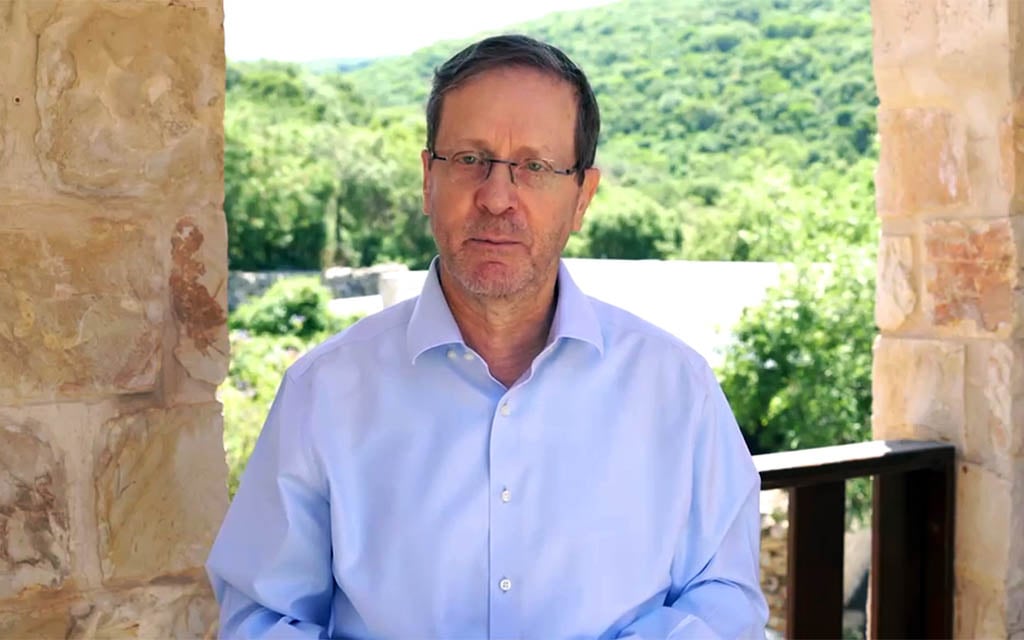
President Isaac Herzog sends an Arabic-language message to Lebanese President Joseph Aoun, June 10, 2026. (Screenshot/Gregory Badu/GPO)
“My dream is to travel to Beirut, and this dream is still alive, but only if Lebanon’s future is determined in Beirut, and not in Tehran,” Herzog added.
Switching to English, Herzog accused the Iran-backed terror group of violating the 2006 and 2024 ceasefire agreements, saying Israel “cannot accept any attacks on our citizens, any attacks crossing our borders, any terror attacks. We have the full right to defend ourselves, and so long as there is no clear arrangement that protects our nation, it will be impossible to move forward.”
“So it’s in your hands, fight for it,” he concluded.
The appeals by Netanyahu and Herzog signaled the increasingly open nature of communication between Israel and Lebanon amid ongoing US-hosted direct talks between the two countries, though a long-term agreement has proved difficult to reach. Iran continues to insist that a truce between Israel and Hezbollah in Lebanon must be part of any ceasefire deal with the US, while the Lebanese Armed Forces appear unable to keep Hezbollah in check.
Just a day earlier, Lebanese president Aoun made a similarly rare public appeal to the Israeli government and people in an interview with CNN, saying a military solution “will never provide you with security and safety” for northern Israel.
“We are ready, we are willing, we are committed. Are you? If you are, let’s sit and talk,” said Aoun. “We are fed up and we want to live in peace.”
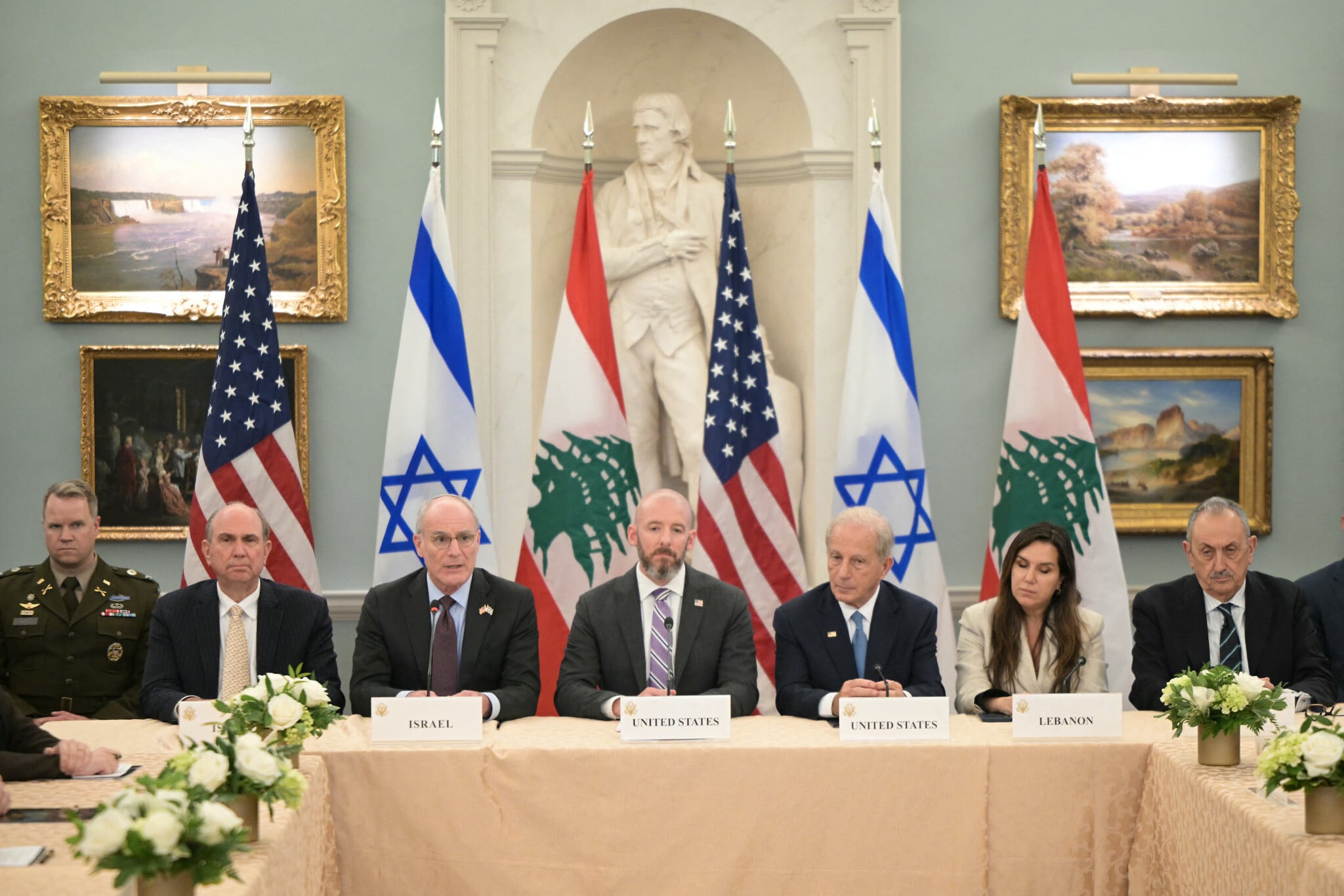
Israel’s Ambassador to the US Yechiel Leiter, State Department Chief of Staff Daniel Holler, US Ambassador to Lebanon Michel Issa and Lebanese Ambassador to the US Nada Hamadeh attend a meeting between Israeli and Lebanese delegations hosted by the United States at the State Department in Washington, DC, on June 3, 2026. (Oliver Contreras / AFP)
Israeli strikes said to kill 13
Israeli airstrikes killed at least 13 people in south Lebanon on Wednesday, Lebanese security sources said. The IDF said the strikes targeted Hezbollah operatives and infrastructure.
The military published footage showing some of the strikes.
בצור ובדרום לבנון: צה”ל ממשיך לתקוף תשתיות ולחסל מחבלים מארגון הטרור חיזבאללה
במהלך היממה האחרונה, צה”ל תקף תשתיות של ארגון הטרור חיזבאללה וחיסל מחבלים בצור ובמרחבים נוספים בדרום לבנון.
במסגרת אחת התקיפות, הותקף מצבור אמצעי לחימה של ארגון הטרור חיזבאללה. בעקבות התקיפה, זוהו… pic.twitter.com/rcQtm1hjXc
— צבא ההגנה לישראל (@idfonline) June 10, 2026
According to the Lebanese sources, the dead included nine people killed in the village of Dayr Debba, 8 kilometers (5 miles) east of the city of Tyre.
A medical source said on condition of anonymity that “the number of martyrs from the Israeli airstrikes in the town of Tayr Debba is eight, and in Deir Qanun al-Nahr it is four.”
The state-run National News Agency reported Israeli strikes on more than 30 locations in southern and eastern Lebanon on Wednesday, including on Tayr Debba and Deir Qanun al-Nahr, and on three towns where Israel’s military issued evacuation warnings.
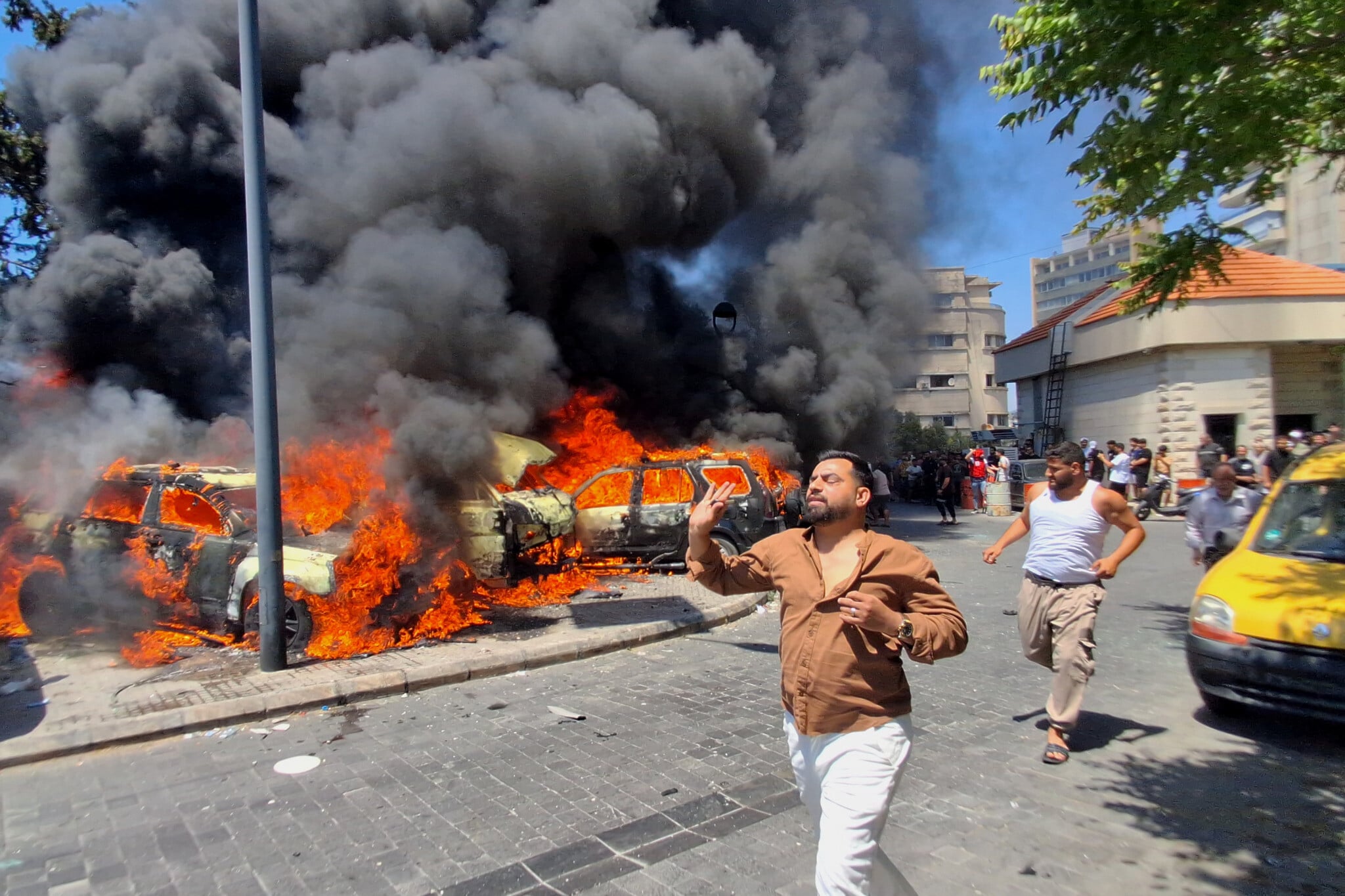
People run in front of burned cars that were attacked in an Israeli airstrike in the southern port city of Sidon, Lebanon, June 10, 2026. (AP Photo/Mohammed Zaatari)
It also reported an Israeli drone strike on a vehicle in Sidon, a coastal city located some 50 kilometers from the border with Israel. IDF strikes in the area have been relatively rare in recent months.
An AFP correspondent in Sidon heard an explosion before seeing a car burning and rescuers pulling two people from the vehicle.
Footage showed vehicles ablaze in the southern city of Sidon after an Israeli airstrike.
المعلومات الأولية تشير إلى أن الغارة في مدينة صيدا استهدفت سيارة pic.twitter.com/ZHM7eKK4Vq
— هنا لبنان (@thisislebnews) June 10, 2026
The NNA also reported that “an Israeli patrol took away Kfarshuba municipal council member Mohammad Hassan al-Hajj and worker Ahmad Salah Diab, taking them to an unknown location.”
“The two men were working to pump water to the town of Kfarshuba when the Israeli patrol stopped them,” it added.
According to Israel, its forces detained two Lebanese suspects who approached troops in southern Lebanon.
“Following the identification, the forces apprehended the suspects, who were transferred to Israeli territory for further questioning to rule out any threat,” the IDF said in response to a query.
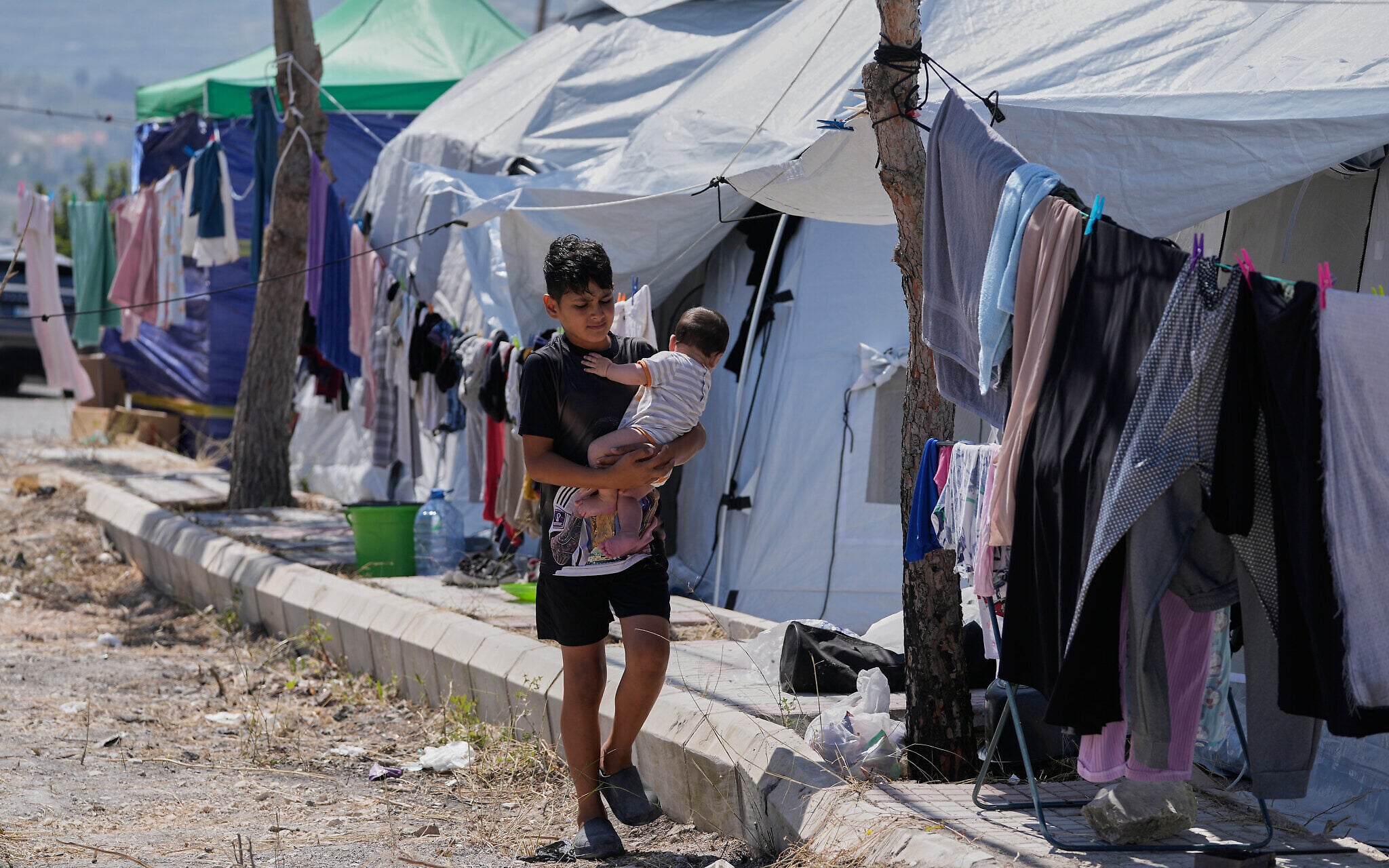
A displaced boy who fled his village with his family in south Lebanon, carries a child as he walks outside their tents at an alley in the southern port city of Sidon, Lebanon, June 10, 2026. (AP Photo/Mohammed Zaatari)
UN to send investigators
Also on Wednesday, the UN rights chief announced that he would send a mission to Lebanon to collect evidence on alleged rights abuses since the war began between Hezbollah and Israel.
“Accountability cannot be overstated. Prompt and independent investigations into alleged violations of international humanitarian law must be conducted,” UN High Commissioner for Human Rights Volker Turk told journalists.
“This is why I have agreed with the government of Lebanon to conduct an impartial and independent assessment mission in the country,” he said.
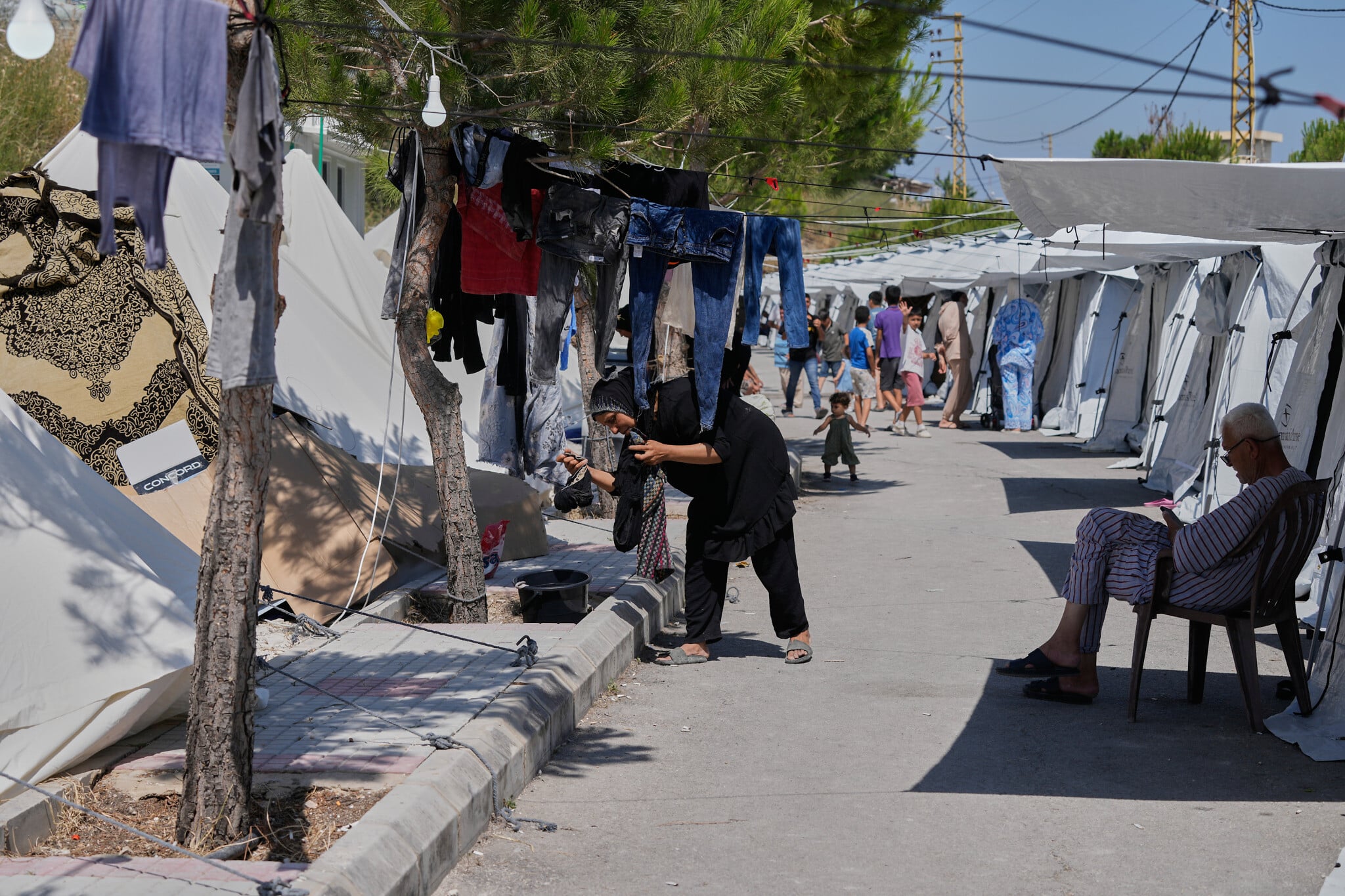
A displaced woman who fled her village in south Lebanon hangs laundry outside tents at an alley in the southern port city of Sidon, Lebanon, June 10, 2026. (AP Photo/Mohammed Zaatari)
“I will soon be deploying a team to collect information and evidence on alleged violations and abuses of international human rights law, and violations of international humanitarian law and related law committed by the parties to the armed conflict in the country since March 2,” he said, noting the date that Lebanon was drawn into war, after Hezbollah launched rockets at Israel to avenge the February 28 killing of Iran’s supreme leader in US-Israeli attacks. The rocket attacks prompted Israeli strikes and a ground invasion.
The crisis is rapidly eroding food security, with nearly one in four people in Lebanon — about 1.24 million people — expected to face crisis and emergency levels of food insecurity until August, according to the UN.
Turk said that amid the “unimaginable civilian harm, suffering and displacement” caused by dozens of conflicts, “we have seen the economic and environmental consequences of fighting reverberate across the world.”
“The world needs to contain this fallout — de-escalation, restraint and the protection of civilians must be the priority,” he said.