
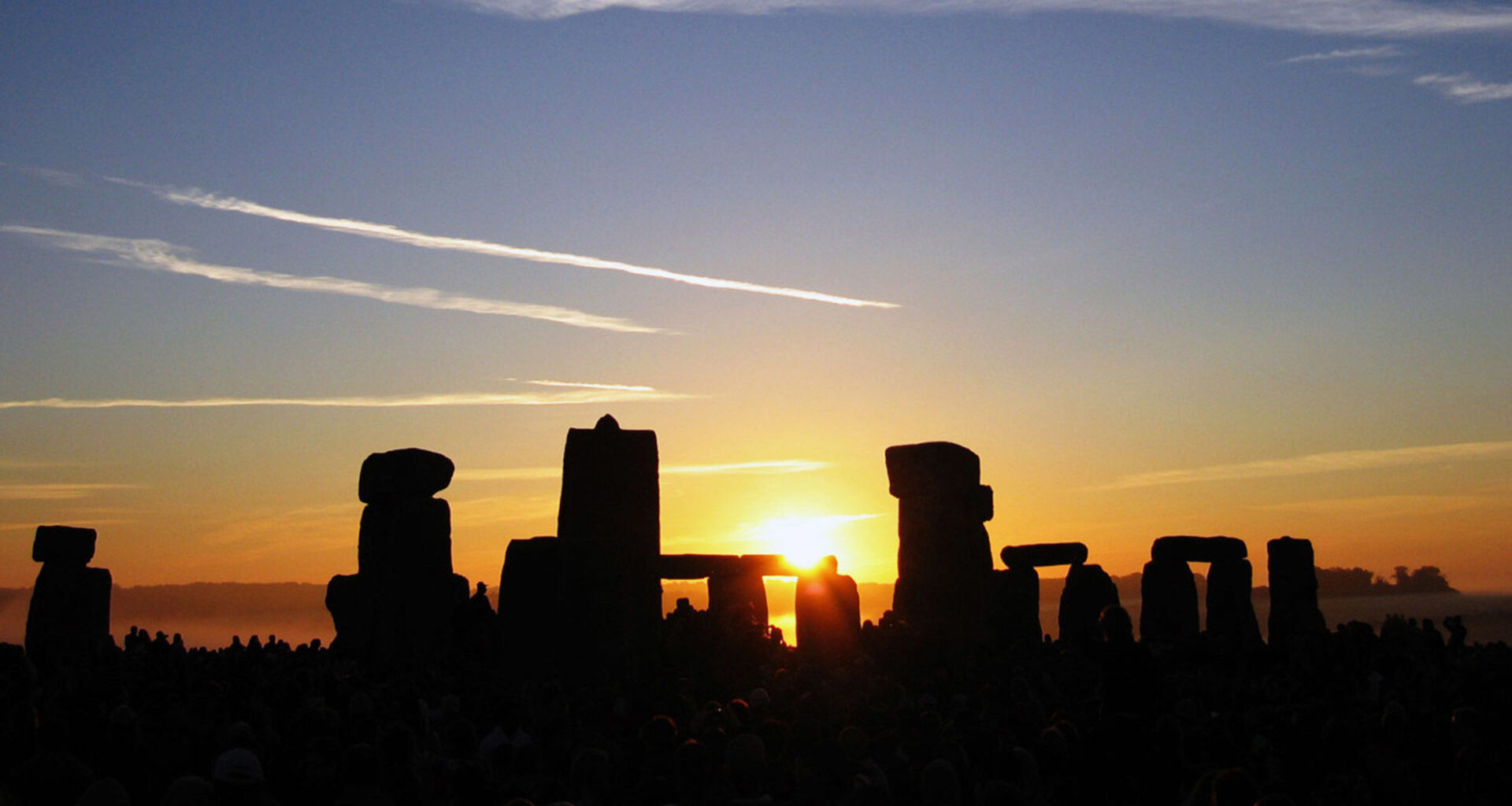
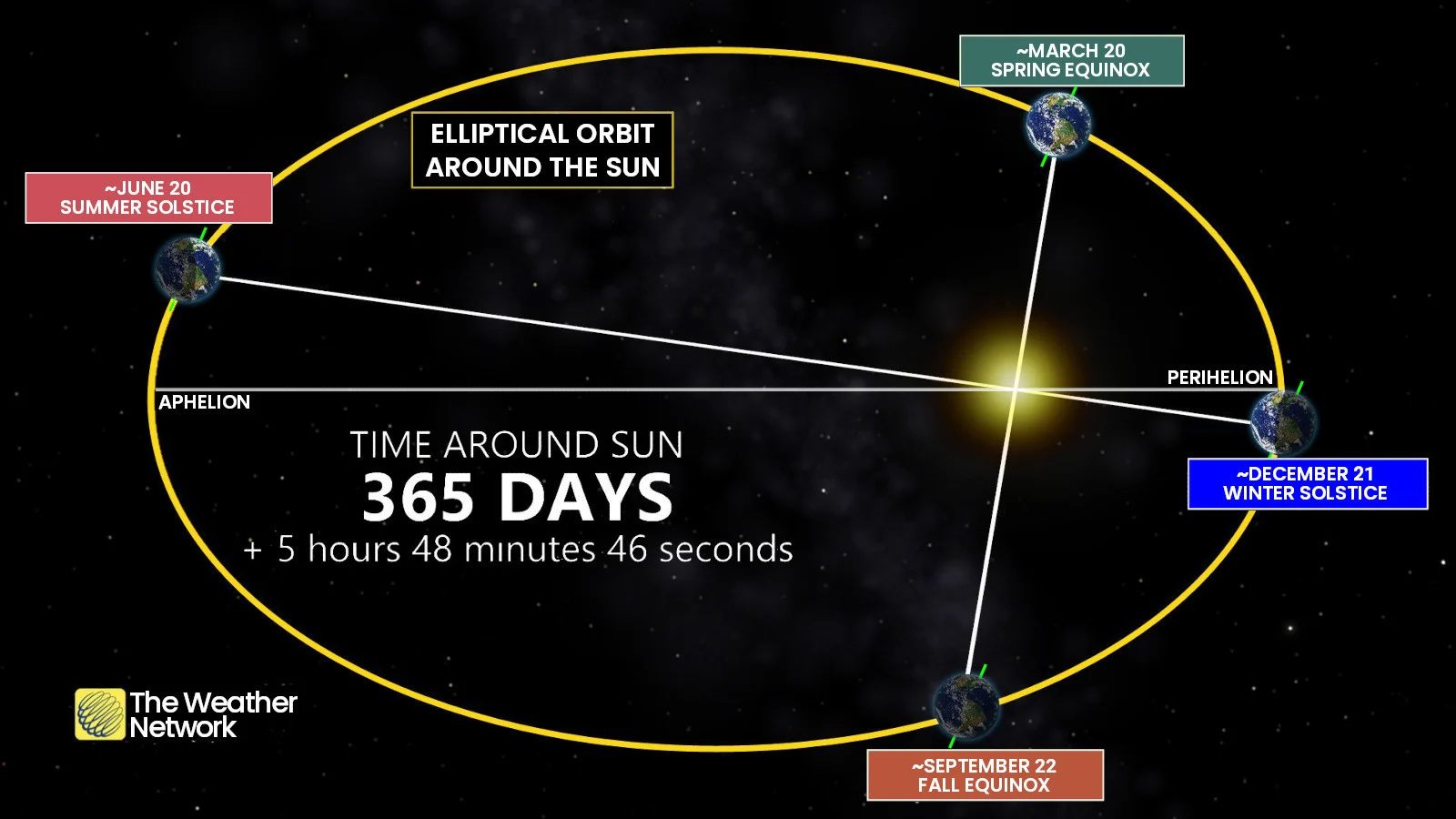
The equinoxes — in March and September — mark the transitions between those two halves of the year, when the Sun is directly above the Earth’s tilted equator. The solstices mark the points when the hemispheres reach their maximum angle — one towards the Sun and one away from the Sun — and the Earth’s axis lines up perfectly with the axis of the Sun.
The longest day(s) of the year
The Sun is at its highest in the sky on the summer solstice. That means that it takes the longest path possible across the sky for whatever latitude you live at. Thus, that gives us the longest day of the year.
However, the individual daily changes in the Sun’s path are so small near the solstices that you need a very precise clock to tell the difference between the length of one day compared to another.
For much of Canada, the difference between the length of day on June 20 and June 21, in 2026, is greater than one second, thus putting June 21 as the definitive longest day of the year.
Oddly enough, though, there are some communities scattered across the country where the difference in the length of daylight between those two days is just a fraction of a second. Thus, in those locations, June 20 and 21 are effectively the same length, and they have TWO longest days of the year.
In Atlantic Canada, Sydney, N.S., and Moncton, N.B., for example, both have their longest days on June 20 AND June 21. Same goes for Granby and Montreal, in Quebec, as well as Ottawa, Peterborough, Hamilton, Kitchener, Guelph, London, North Bay, Sault Ste Marie, and Thunder Bay in Ontario.