
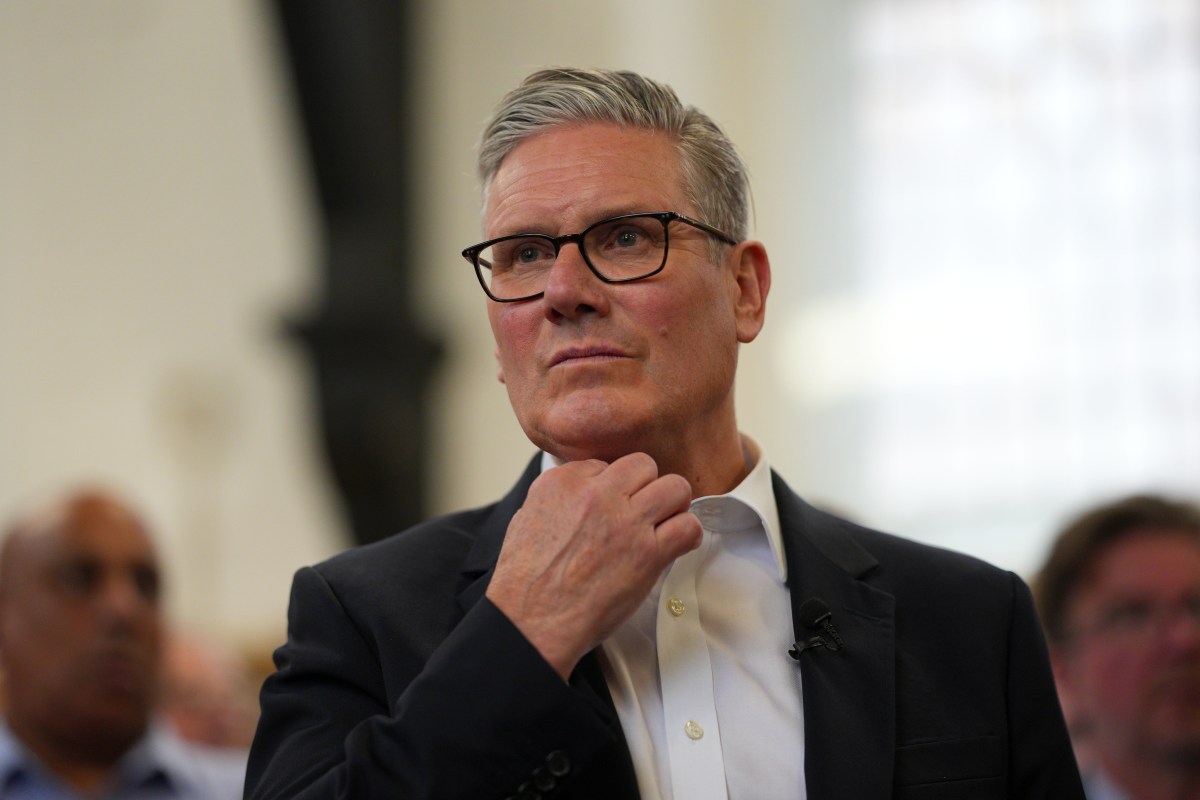
British Prime Minister Keir Starmer is expected to resign on Monday and outline a timetable for his departure, according to a report by The Observer, raising the prospect of a rapid leadership transition at the top of the government.
The British newspaper reported Saturday that Starmer has concluded his position is no longer tenable after consultations with senior Cabinet ministers, political advisers, party donors and trade union leaders. The discussions have taken place against a backdrop of mounting pressure over his leadership and concerns about his standing within the Labour Party.
The situation remains fluid, with no official confirmation yet from the prime minister or Downing Street.
Read More on News
Newsweek reached out to Starmer’s office via contact form on Saturday evening.
Potential Exit Plan
According to The Observer, Starmer, who took office in 2024, is preparing to set out an “orderly exit” from Downing Street, with a clear timeline for stepping down. Senior Labour figures expect a statement as early as Monday, which could trigger a leadership contest or an interim arrangement depending on how the process is structured.
The report suggests the prime minister has been weighing his options over recent days, speaking to key political and organizational figures before reaching a decision. Those conversations appear to have reinforced concerns about his ability to maintain authority within the party and government.
Starmer is also said to have discussed the situation privately with his wife at Chequers, the prime minister’s country residence, ahead of making a final call.
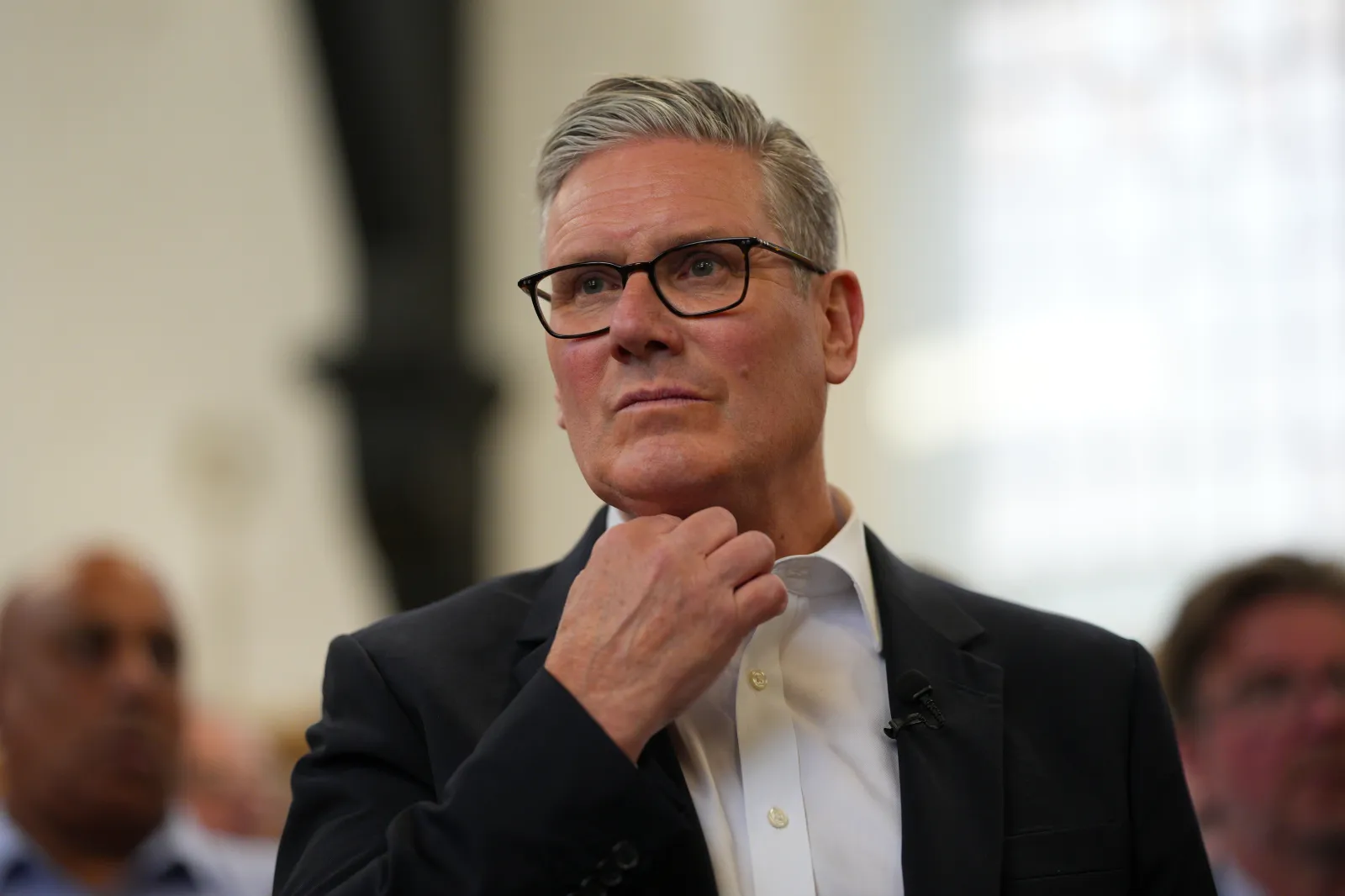 Internal Pressure Builds
The reported decision follows a period of growing unease within Labour ranks, with some senior figures questioning whether Starmer could hold together the coalition of support that brought the party to power.
That pressure has been building for weeks. Last month, more than 80 of Starmer’s Labour colleagues called on him to leave after disastrous local election results that saw Labour lose more than 1,100 council seats across England, while Reform UK won more than 1,450.
Starmer was blamed for the party’s slump in popularity amid economic problems and policy missteps, including the appointment of a close friend of convicted sex offender Jeffrey Epstein as the United Kingdom’s ambassador to the United States. Starmer, who fired Peter Mandelson in September, never met Epstein and is not accused of any wrongdoing.
While The Observer’s report does not detail specific triggers, the suggestion that Cabinet ministers and union leaders were consulted points to broader institutional concerns rather than a single political event. That dynamic is often a key indicator in British politics that a leadership change is being seriously considered.
If Starmer does step down, attention will turn immediately to who might succeed him and how quickly a new leader could be installed.
One figure already drawing attention is 56-year-old Andy Burnham, the Greater Manchester mayor who recently returned to Parliament and is widely seen as a potential challenger. His rise has intensified speculation about a leadership contest, particularly after his by-election victory on Friday cleared a key hurdle to seeking the party’s top job.
“Everyone knows that politics isn’t working,” Burnham said during his victory speech. “Everyone can feel that the country isn’t where it should be. Tonight could, just could, be the turning point.”
On X, Starmer congratulated him, writing that voters “chose Labour’s campaign of hope and optimism over division and hate.”
But the prime minister insisted he would fight any attempt to oust him.
“I will run, I will stand,” if there is a Labour leadership contest, Starmer said. “I’ve said repeatedly I’m not going to walk away from that.”
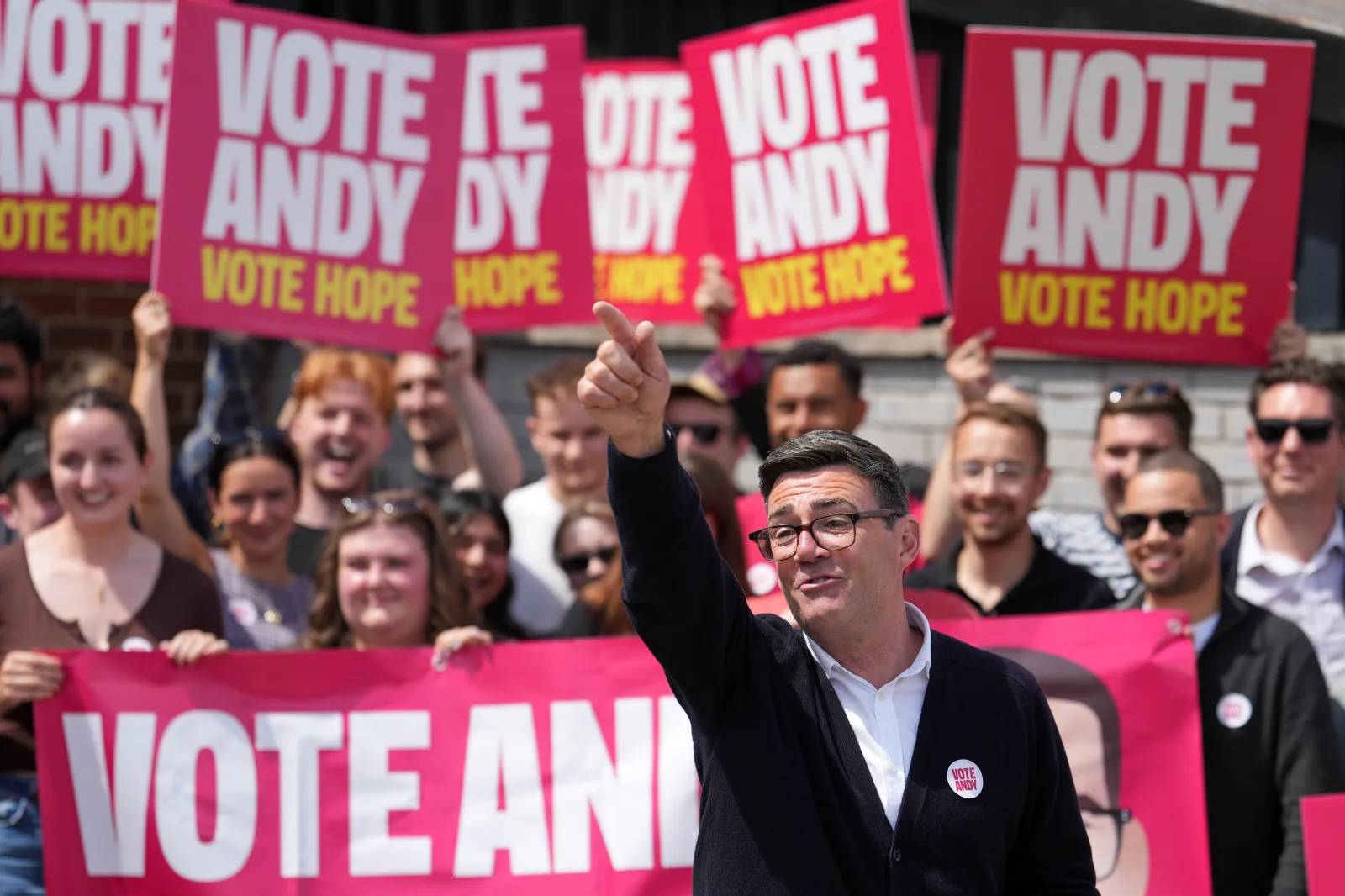
Burnham’s past remarks could also shape the debate. He has warned against what he described as the “poisonous” and increasingly polarized nature of U.S.-style politics and said President Donald Trump’s approach has brought “instability” internationally—comments that could carry implications for the United Kingdom’s relationship with Washington if he were to lead. Burnham will head to London to be sworn in as a lawmaker as soon as Monday.
Labour’s leadership rules typically require a formal contest, though the timeline can vary depending on internal decisions and political urgency. In the short term, a senior Cabinet member could be asked to serve in an acting capacity.
The process will also carry broader implications for the government’s legislative agenda and its ability to maintain stability during a period of transition.