
The Jewish Federation of the State of São Paulo (Fisesp) held a farewell breakfast on Tuesday, June 24, at its headquarters, in honor of Rafael Erdreich, Consul General of Israel in São Paulo, who is concluding his diplomatic mission in Brazil after five years marked by historic challenges, including the aftermath of the October 7, 2023 attacks and the current diplomatic tensions between Brazil and Israel. Erdreich will now assume a prominent new role at Israel’s Ministry of Foreign Affairs.
Opening the event, Fisesp president Célia Parnes expressed concern over the current state of Brazil–Israel relations. She noted that the Brazilian government’s refusal to accept Vivi Aisen as Erdreich’s successor in São Paulo, combined with the absence of an Israeli ambassador in Brasília, represents a “total impoverishment of institutional relations between the two countries.”
Paying tribute to the consul, Parnes highlighted his ability to build bridges and strengthen ties between Brazilian and Israeli institutions. “His work was marked by the ability to bring people and institutions closer together, cultivating partnerships based on respect, trust, and cooperation. Rafael leaves a legacy of friendship and collaboration that will continue to bear fruit for many years,” she said.
The ceremony featured speeches from community leaders and officials who worked closely with Erdreich. Among them were Leandro Toledano, who emphasized educational partnerships and the consul’s role in promoting innovation; Ivan Kreiser, who spoke of the friendship and human side of the diplomat; Fernando Ferreira, representing São Paulo’s Secretary of International Relations, Angela Gandra, who stressed cooperation in education, technology, and combating antisemitism; and Samo Tossatti, from the State Government’s International Affairs Office, who conveyed a message from Governor Tarcísio de Freitas reaffirming São Paulo’s closeness to Israel.
The event, led by Fisesp’s executive president Ricardo Berkiensztat, brought together consuls, state and municipal authorities, community leaders, and business representatives to honor Erdreich’s work and celebrate his legacy. Rabbi Samy Pinto also participated, offering a special blessing for the diplomat’s new mission.
In his farewell speech, Erdreich reflected on his tenure and recalled key challenges faced by the consulate, including coordinating travel during the pandemic to reunite families separated between Brazil and Israel, navigating institutional relations amid diplomatic impasses, and responding to the events of October 7, 2023.
He also highlighted the support received from Governor Tarcísio de Freitas, who implemented immediate protective measures for Jewish institutions and visited Israel shortly after the attacks. Erdreich expressed gratitude to the Brazilian Jewish community for its mobilization and solidarity, citing organizations such as Conib, Fisesp, Clube Hebraica, the Community Fund, StandWithUs, B’nai B’rith, and many others.
Closing on a hopeful note, Erdreich said he believes the war is nearing its end and that a new opportunity for stability may emerge in the region.
“We are on the path to the end of this war; I can already hear the dawn of its conclusion on the horizon,” he declared.
Visibly moved, he added that he leaves Brazil with “true longing,” concluding: “One does not leave a place that has become part of oneself with a light heart.”
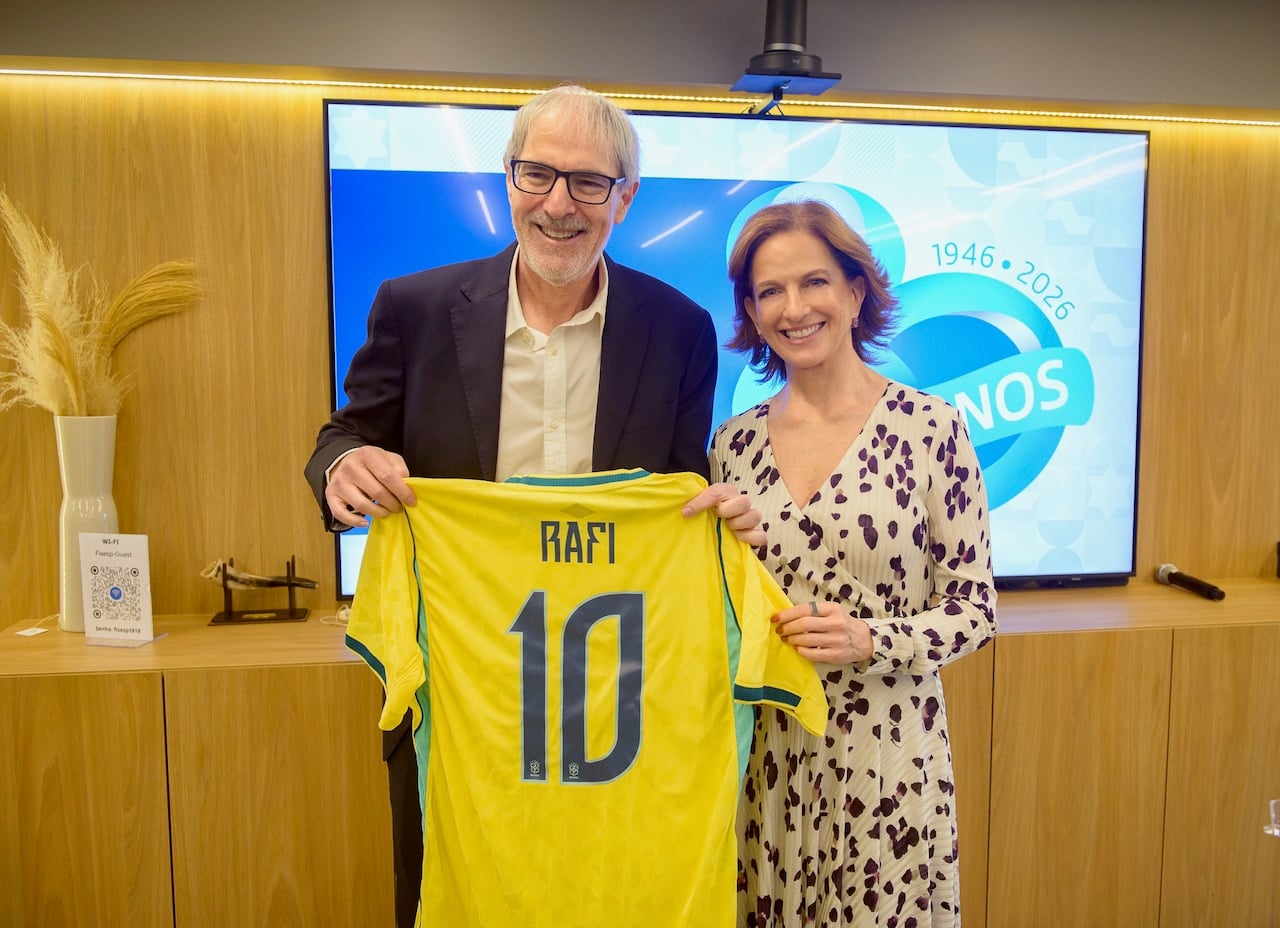
At the end of the ceremony, Célia Parnes presented the diplomat with a Brazilian national soccer team jersey as a symbolic tribute, recognizing his contribution to strengthening Brazil–Israel relations and his bonds with the Brazilian Jewish community throughout his mission.
Source: Fisesp / Liane G. Zaidler
Silas Anastácio is a leading figure in fostering relations between Brazil and Israel. An author, lecturer, and institutional strategist, he works to strengthen dialogue among leaders, defend religious freedom, and combat antisemitism.
His initiatives bridge the cultural, diplomatic, and social spheres, promoting projects that highlight Judeo-Christian roots and reinforce cooperation between communities and institutions.