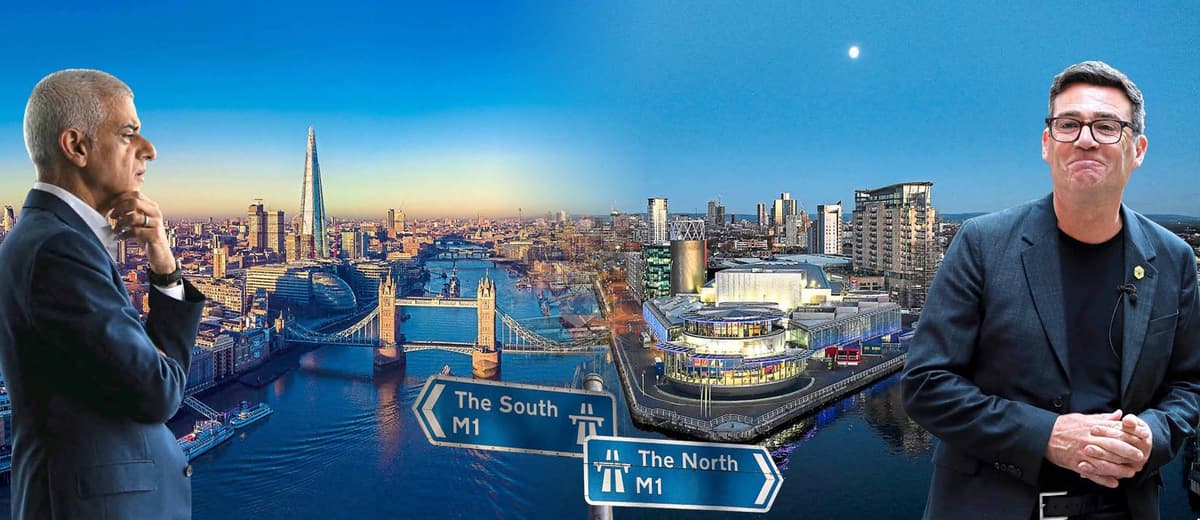
When The New York Times ran its article, the then Boris Johnson government suddenly went into overdrive, realising what damage the closure was doing to Britain’s image overseas, in the eyes of potential investors. Johnson established a “task force” to push for its full reopening. The label looked good, even if the body failed in its task. At least Johnson got the message, that the rest of the world, when it looks at this country, homes in on London. This is what they know best, it’s where they want to be and to put their cash. In making that decision, they need to be assured their investment is money well spent. Having a river criss-crossed with decaying bridges is not a sign of a prosperous, ambitious city — it’s not something that would be tolerated in New York, London’s arch-rival. Nor does it signify an ambitious, well-funded nation, one that treasures its assets and realises the importance of ensuring the main economic powerhouse is lovingly protected. Johnson understood this. At the time, he was proclaiming “levelling up” as his way of pacifying the clamour for improvement in the North and Midlands and earning the support of those “Red Wall” post-industrial constituencies. The trouble with levelling up was that it also implied a “levelling down”. Given the fragile state of Britain’s public finances, Johnson was unable to spend willy-nilly on giving them what they desired, without reducing expenditure somewhere else.