
Party boss speaks out and says city is “woefully unprepared” for such incidents
14:20, 13 Jul 2026Updated 16:01, 13 Jul 2026
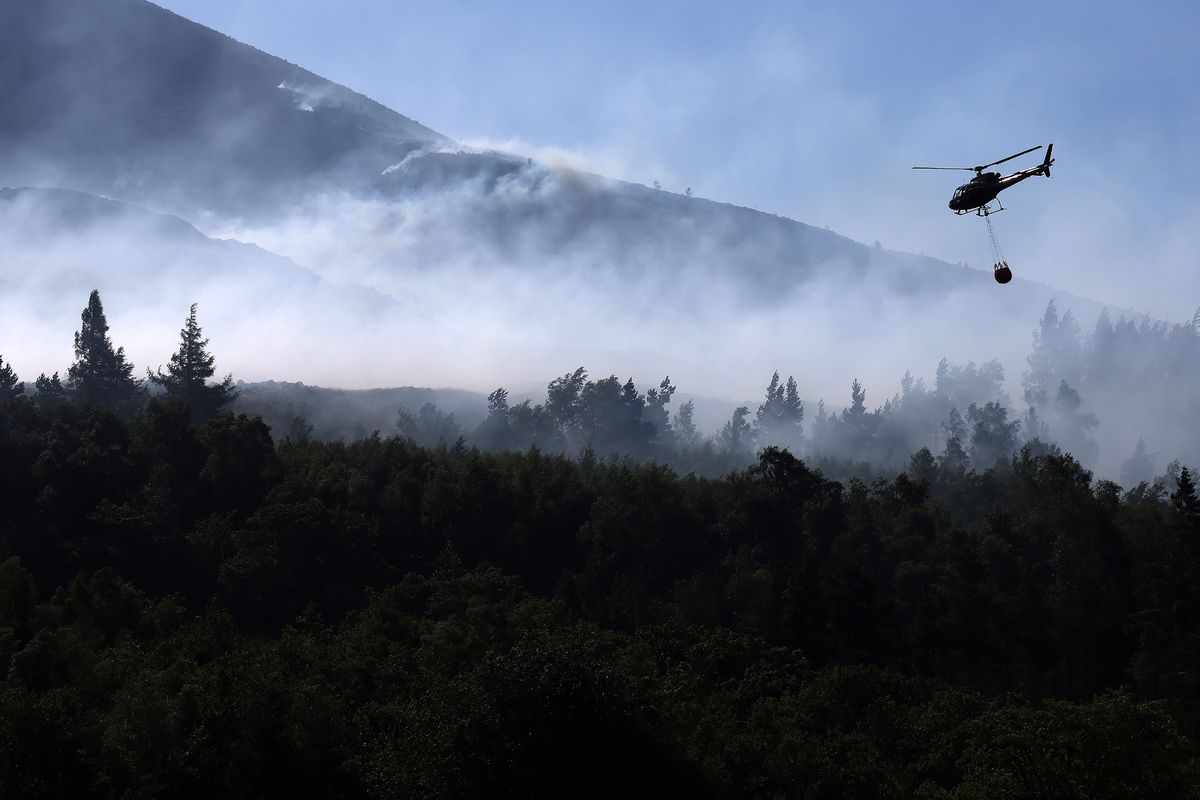
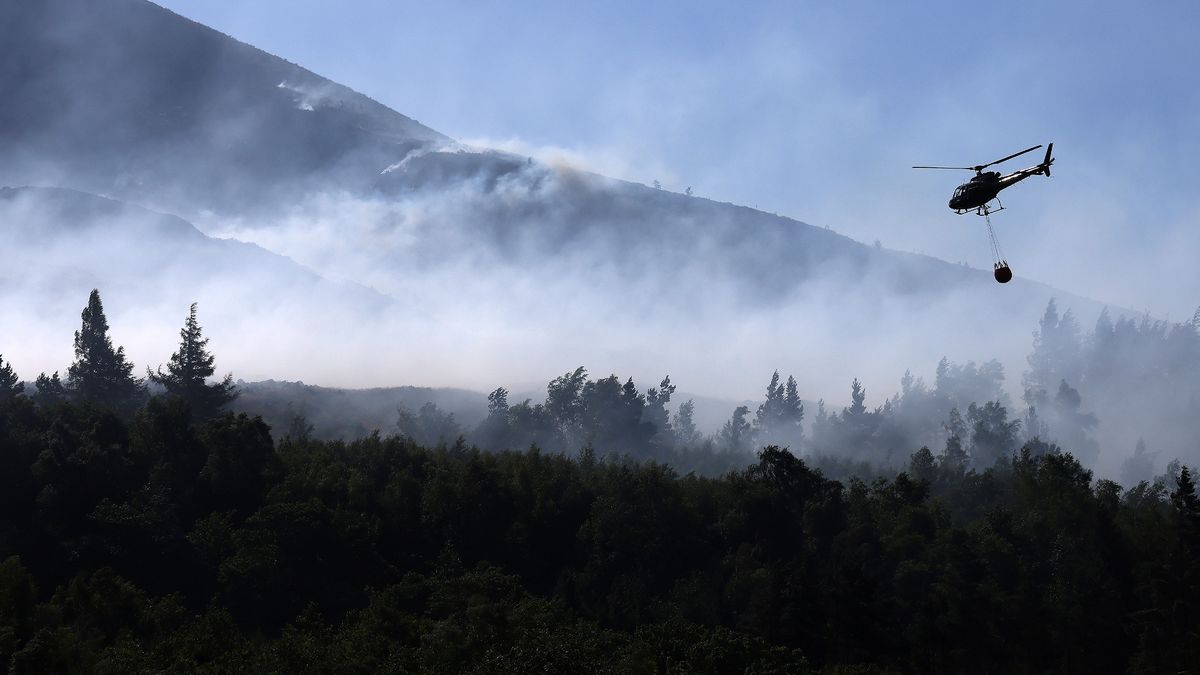
Moorland fires above Dovestone Reservoir, Saddleworth in Oldham on Sunday, which along with fires in North Wales, left smoke hanging over Liverpool(Image: Sean Hansford | Manchester Evening News)
An urgent warning to Liverpool has been delivered after “smoke was left covering the city,” following wildfires elsewhere in the country. On Sunday evening, people in parts of Liverpool noticed a strong smell of smoke in the air after large blazes had erupted in both North Wales and in Greater Manchester.
A major incident was declared in North Wales as firefighters battled fires in Conwy and Gwynedd – with some residents living close to the Sychnant Pass area forced to evacuate their homes. Local reports today said that a wildfire in Braichmelyn Forest, above Bethesda, Gwynedd was still burning this morning.
Meanwhile in Greater Manchester, firefighters also remain on the scene at Dovestone Reservoir after a huge moor fire broke out last night (July 11). Crews from Greater Manchester Fire and Rescue Service were called to the Saddleworth beauty spot at around 8.45pm.
On Sunday evening, Merseyside Fire and Rescue Service confirmed that the wildfires in both North Wales and Greater Manchester were the origin of the blanket of smoke arriving in Liverpool.
The service said its Fire Control operators received a high volume of calls relating to smoke and advised residents and businesses to close windows and doors.
Responding to the concerning situation, Liverpool’s Green Party leader, Cllr Tom Crone, said the incident and the impact it had here in Liverpool is an urgent reminder of the threat of climate change – criticising Liverpool Council for what he claimed to be a lack of action to address the issue.
In a statement released on Sunday evening, Cllr Crone said: “This is what climate change looks like and we believe our city, and our country, are woefully unprepared.
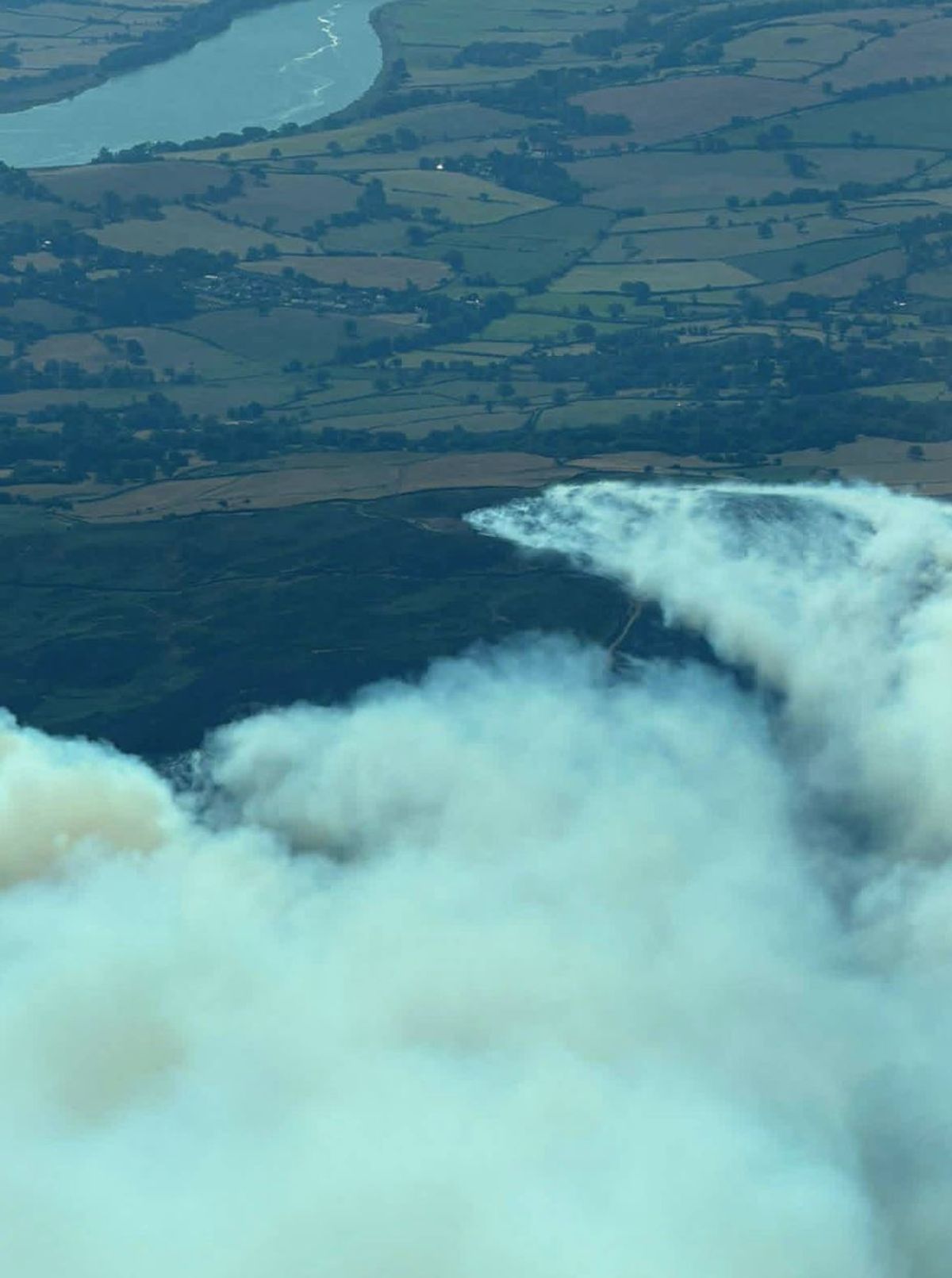
Thick smoke near Sychnant Pass on Conwy Mountain after fire broke out(Image: North Wales Fire)
“The council’s 2030 Net Zero Liverpool Action Plan recognised the risk from wildfires, but also highlighted the need to improve our ability to anticipate, prepare for and prevent incidents like this affecting local people. It also makes no reference to the health implications that things like wildfires can have on vulnerable residents.
“The council has so far made no comment on the smoke that is now covering our city, including what the best advice may be between keeping windows open due to the heatwave or closing them due to the smoke. As a council, we declared a climate emergency in 2019, yet Labour leaders have recently scaled back plans for the largest-ever piece of cycling infrastructure in our city.
He added: “We are immensely grateful to those who work in the fire service and head into danger to protect other people. But this is only going to get worse unless we rapidly decarbonise our city and put huge investment in green jobs of the future for our young people. Our thoughts are also with anyone fleeing their home in Wales or Greater Manchester.”
For its part, the city council has pointed to a number of initiatives that prove its commitment to tackling climate change and to the net zero agenda.
This includes the Liverpool Heat Network, with a public consultation launched on a proposed boundary covering parts of the city centre and Knowledge Quarter, identified as areas where low-carbon heat networks could play a key role in cutting emissions.
The council is also on a journey towards establishing Liverpool as the world’s first UN Accelerator City for Climate Action. Liverpool has led on a commitment signed by leading creative industry bodies to support the transition to clean temporary power by 2030.
The local authority has a new policy to significantly cut emissions from its own vehicle fleet. Vehicles owned and operated by the Council that are coming to the end of their life cycle will be switched to EVs where possible. Where this isn’t possible, and for vehicles that are not due for renewal soon, the Council will explore the use of Hydrogenated Vegetable Oil (HVO) as a fuel source.
Finally, the Liverpool Urban Mobility and Public Spaces Plan is guiding a multi-million pound investment programme up to 2045 in a bid to increase the use of public transport and to get people walking and cycling more.
For all the latest information on the wildfires, follow our live coverage here