
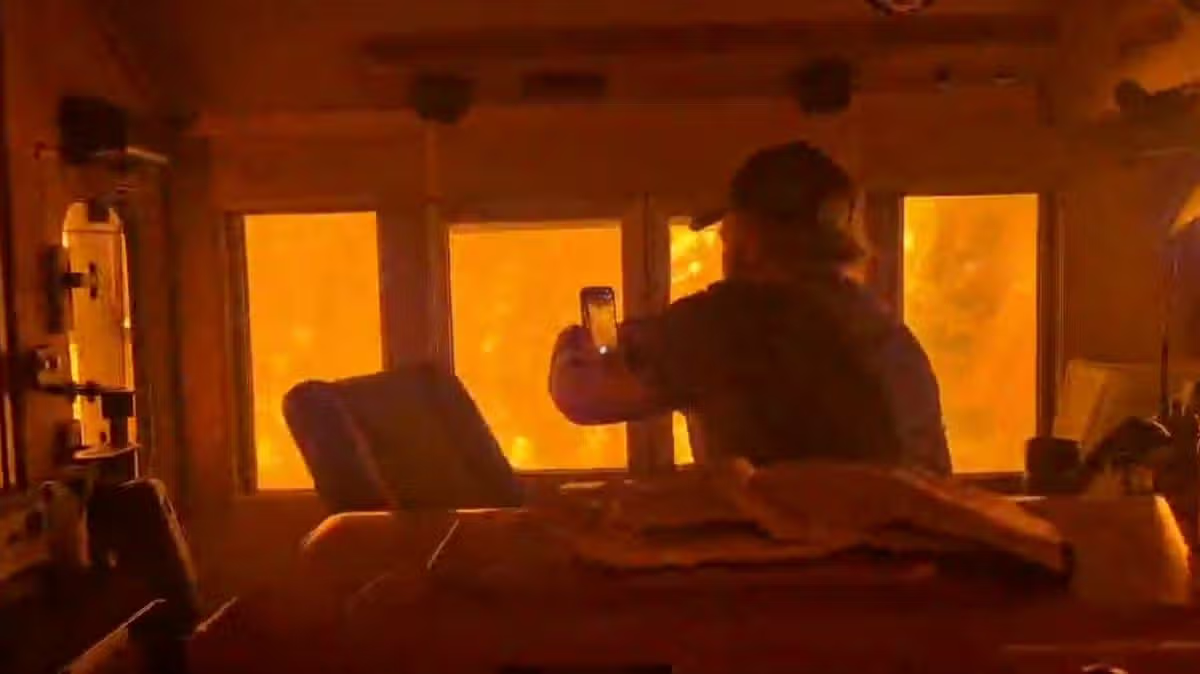
A set of cargo trains in Canada, possibly carrying hazardous materials, was suddenly halted in Ontario after they became trapped in wildfires in the area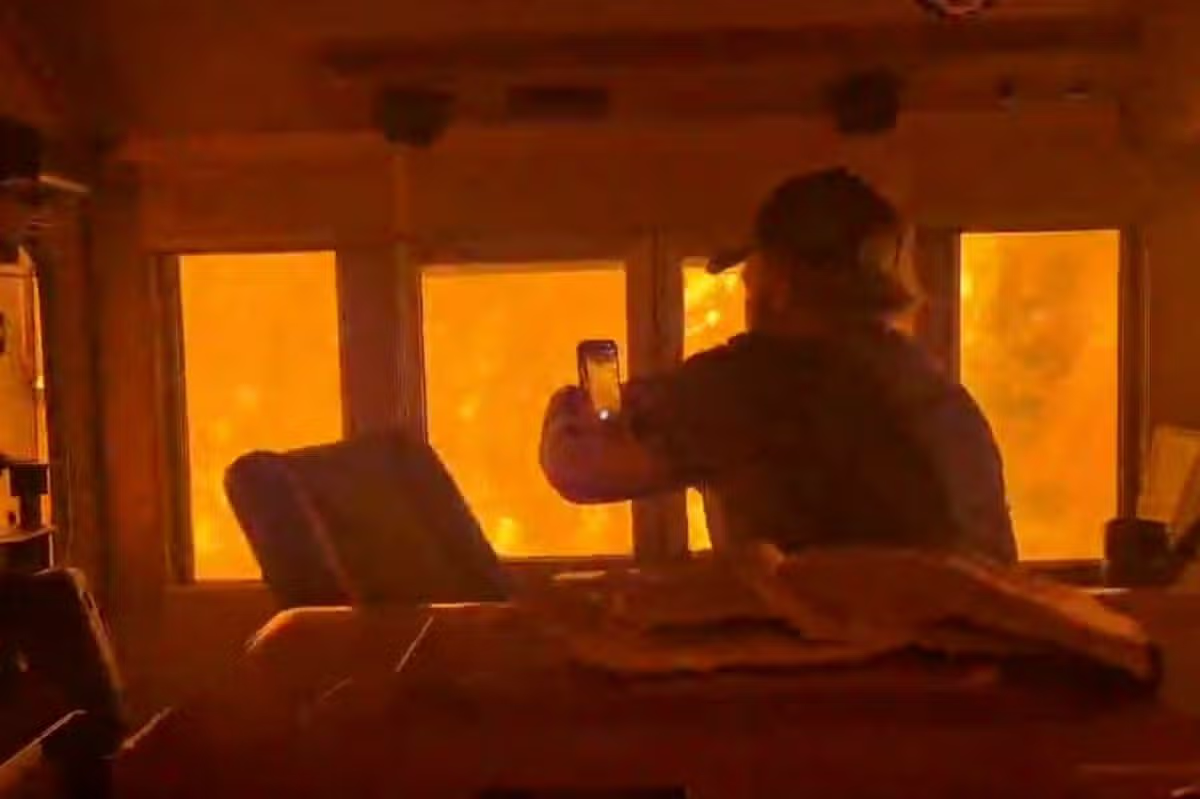
Local authorities said three trains carrying flammable materials were stopped near Ontario and later staged in Allanwater Subdivision near Collins, due to wildfire activity(Image: solmamakwa/X)
A set of cargo trains in Canada, possibly carrying hazardous materials, was suddenly halted in Ontario after they became trapped in wildfires in the area.
Local authorities said three trains carrying flammable materials were stopped near Ontario and later staged in Allanwater Subdivision near Collins, due to wildfire activity. Nevertheless, the Ontario Provincial Police said there was no immediate threat to the public.
“While there is no immediate threat to public safety, emergency responders, emergency management partners, railway officials, and other responding agencies are working together to assess conditions and support ongoing public safety measures,” police said in a Tuesday statement.
Due to the wildfires, the trains were ordered to back more than 150 miles at 25 mph from Canyon, Ont., to Winnipeg, making stops along the way.
Videos posted on social media showed the terrified crew inside the train as they were “encased in flames.” In the footage, a man can be heard speaking to an operator, pleading for a quick rescue. A train then passes by them, but does not appear to have stopped.
“This could potentially overtake us here. This has gotten a little scary,” the unidentified man recording the video said as he showed bright orange flames throughout the train’s window in a forest.
“Okay, y’all need to hurry up here, like seriously, we’re encased in flames,” the man added, speaking to an operator, who later confirmed they were still able to hear them despite the hazardous conditions.
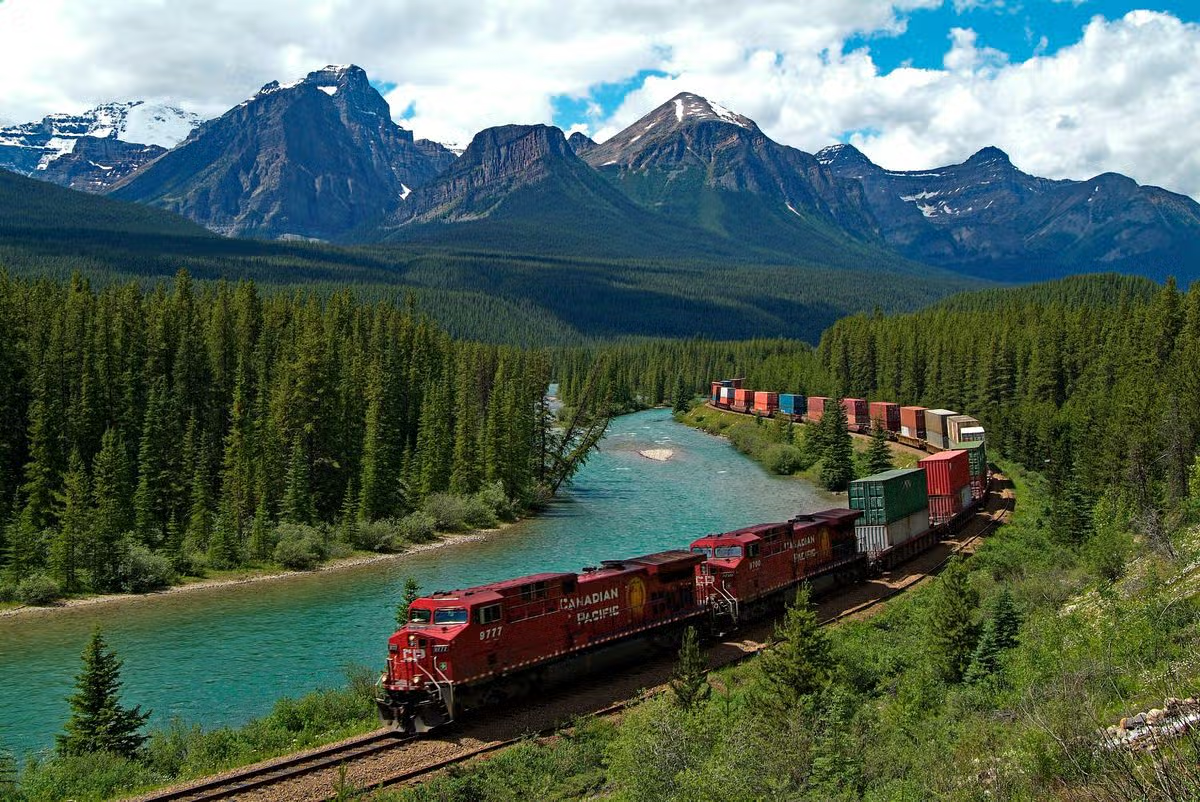
The chilling video comes as more than 3,000 fires have broken out in western Ontario, burning around 4.5 million acres this summer(Image: Getty Images/Robert Harding World Imagery)
The chilling video comes as more than 3,000 fires have broken out in western Ontario, burning around 4.5 million acres this summer. While the wildfires are not expected to be as intense as in 2023, smoke is still anticipated to reach the United States.
Massive plumes from the wildfires have begun to cross the border with the U.S., bringing dangerous air quality in the Midwest and Northeast. Thicker smoke is forecasted to move to New York, Washington, D.C., and other cities in the East in the coming days.
Meanwhile, dangerous air quality has already started to move to parts of the West, Plains, and Midwest. However, because the air has mostly stayed higher up in the atmosphere, it has not yet posed health risks to residents.
In preparation for the incoming conditions, the National Weather Service has issued several warnings to Americans about possible dangers. In New York, for instance, the local weather service said smoke in the area could rise later this week.
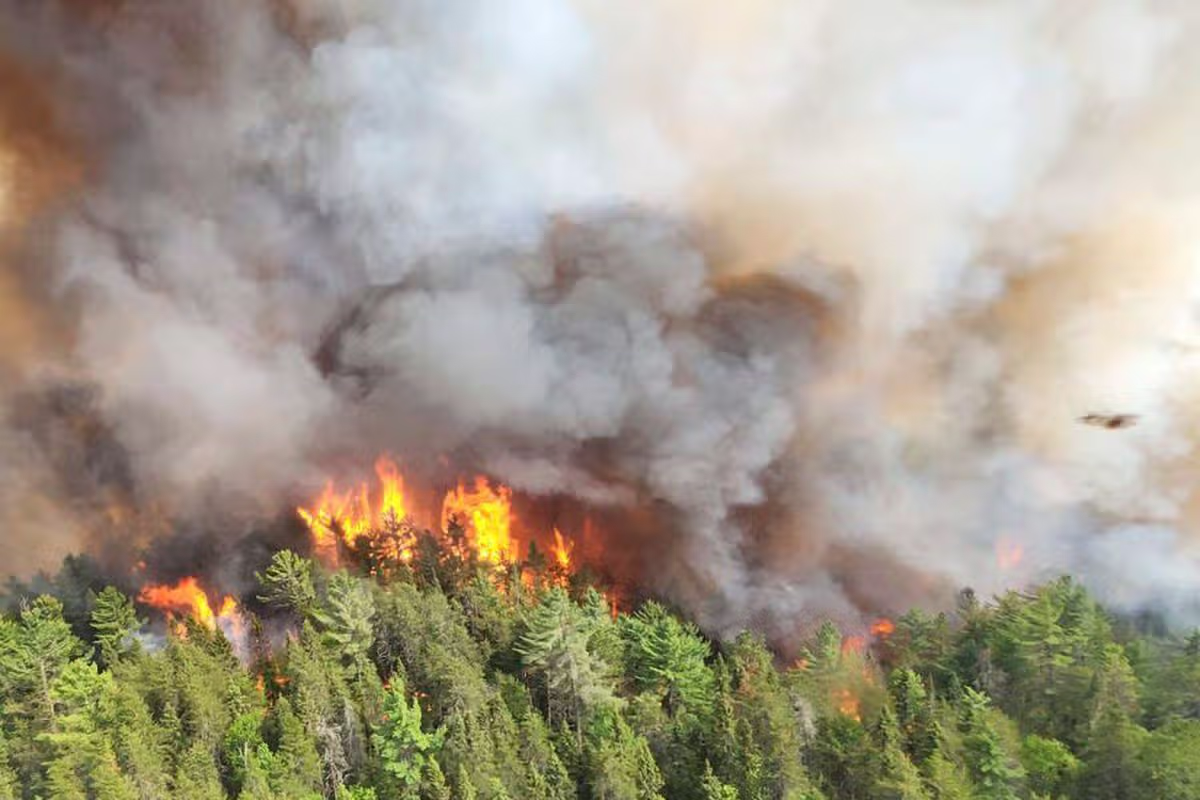
In preparation for the incoming conditions, the National Weather Service has issued several warnings to Americans about possible dangers(Image: AP)
“Smell smoke this morning? Its coming from a wildfire outbreak in Ontario. While it should not impact air quality much today, smoke at the surface could increase Wednesday into Thursday, potentially reducing visibilities and air quality. High temperatures may also be limited,” the National Weather Service’s New York Bureau posted on X.
Wildfire smoke is particularly dangerous because it contains PM2.5 particles that penetrate the lungs and enter the bloodstream, leading to difficulty breathing and other health issues, including bronchitis and inflammation.
Those most at risk during periods of poor air quality are individuals with lung or heart disease, children, and older adults. The NWS advises people in affected areas to limit their outside exposure and keep windows closed overnight.