
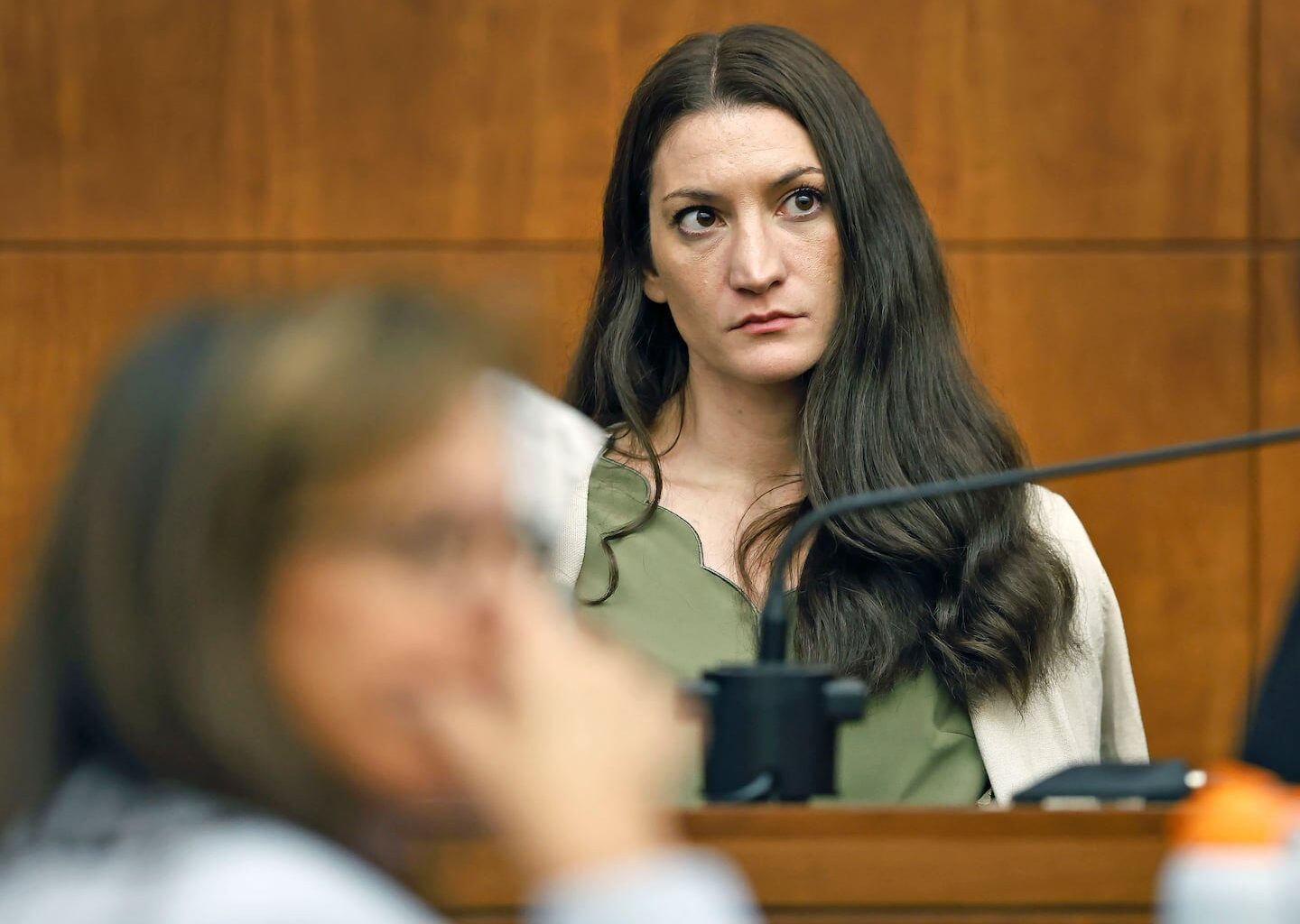
She is mounting an insanity defense, claiming she was in the throes of severe postpartum mental illness and could not resist a voice in her head telling her to kill her children and herself. She and her ex-husband, Patrick Clancy, argue in separate lawsuits against her health care providers that she was misdiagnosed, shuffled among practitioners, and overmedicated with around a dozen different prescriptions, many of which made her symptoms worse.
If Clancy, a labor and delivery nurse at Massachusetts General Hospital, could not find appropriate care, one might wonder, what are the odds of other moms, especially those less savvy about the medical system, getting the treatment they need?
In the three years since Clancy was charged, Massachusetts has adopted a sweeping maternal health law that has expanded postpartum depression screening requirements, promoted postpartum home visits, and made online resources, including support groups and a state postpartum help hot line, 866-472-1897, more widely available.
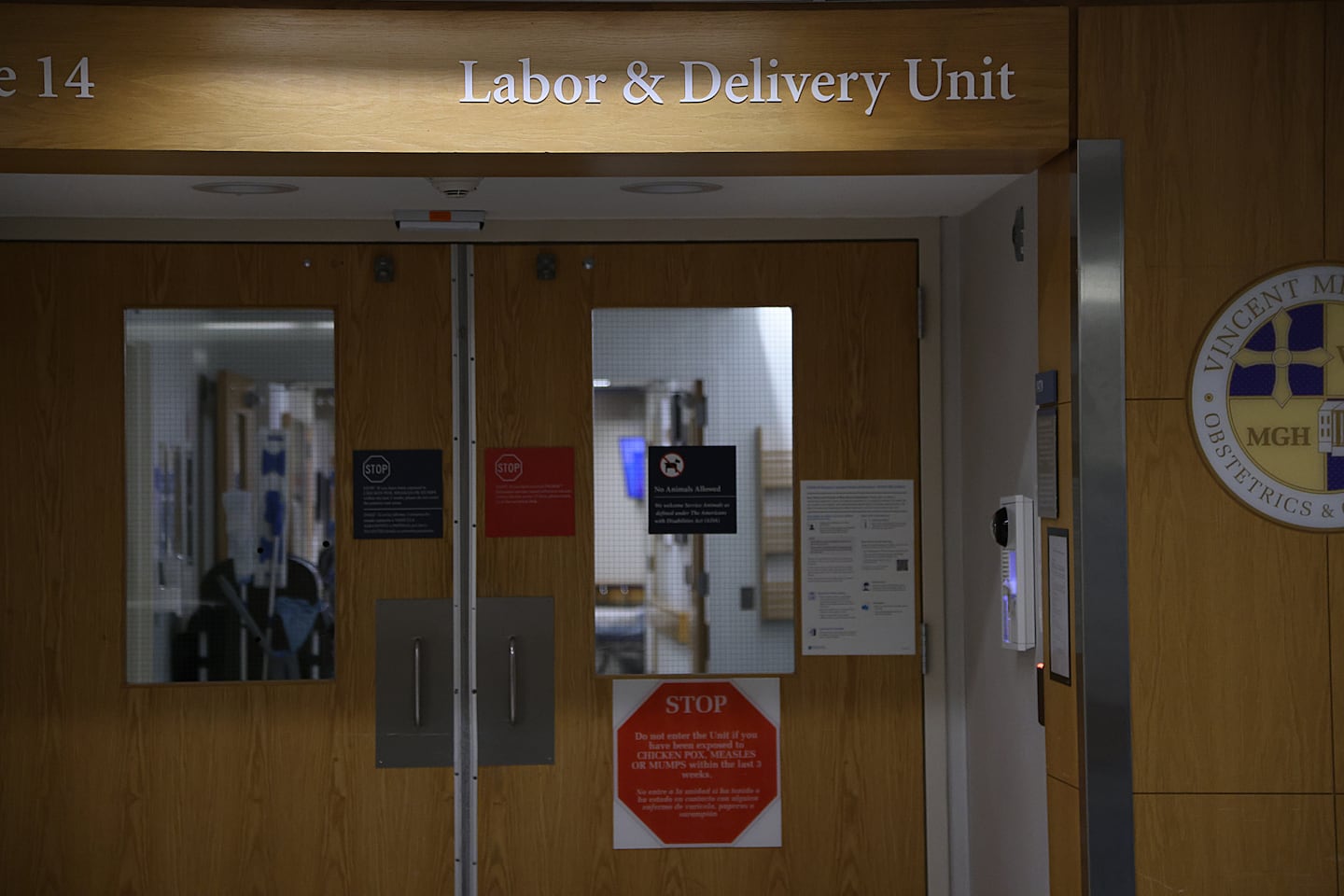 The entrance to the Labor and Delivery Unit at Massachusetts General Hospital.Suzanne Kreiter/Globe Staff
Yet there is so much more that could be done, patients and clinicians said: more specialized outpatient programs, additional psychiatrists who specialize in reproductive health, better training for obstetricians and pediatricians to recognize severe postpartum mental illness, and dedicated mother-baby psychiatric units that allow mothers to receive inpatient care while remaining with their infants.
As important, there’s an effort underway nationally to add a diagnosis of postpartum psychosis to the Diagnostic and Statistical Manual of Mental Disorders, the authoritative handbook used by clinicians in the field. That would go a long way to getting the condition on the radar of front-line health care providers, experts said.
Most women develop postpartum mental health symptoms in the first weeks after giving birth, but only a third ever get screened, said Dr. Neel Shah, chief medical officer of Maven Clinic, the world’s largest virtual clinic for women’s and family health.
About 1 in 8 women develop postpartum depression, which is characterized by persistent sadness and anxiety. Clancy has claimed her providers failed to identify her bipolar disorder as a form of the rare but highly concerning condition postpartum psychosis. The condition can involve hallucinations, paranoia, or a loss of touch with reality. It affects about 1 in 1,000 women.
“Cases that lead to something horrific are even rarer,” said Shah.
One new mother’s battle with postpartum depression underscores the intensity of being in the grip of such feelings, and the fear and frustration over asking for help.
Natalie Breen from Medford gave birth to her first son at Winchester Hospital in August 2025. Friends had warned her about “the baby blues,” sleepless nights, and tears, but she said nothing prepared her for what came next.
“The one-month mark was when I fell apart,” said Breen, 33. “I was not myself at all. I felt this dark cloud hanging over my head. This was not the baby blues.”
Thoughts of self-harm made her realize she needed help, she said.
Breen visited a local hospital emergency department twice for symptoms, but was too scared to tell anyone about her thoughts out of fear her baby would be taken away.
“What I really wanted when I was at my worst was to be admitted somewhere but with my son, because not having him with me would have sent me over the edge,” she said. “But I was terrified of telling anyone, even the ER people, what I really felt.”
Most postpartum mental health conditions are rooted in the flood of hormonal changes that happen before and after childbirth. Some of those dramatic changes make new parents more protective and attuned to conserving resources, ideal qualities when caring for a helpless baby, said Dr. Crystal Schiller, director of the Center for Women’s Mood Disorders at the University of North Carolina. Those same hormones, though, along with the high stress, lack of sleep, and the dramatic life changes associated with caring for an infant, appear, in some cases, to also trigger mental health conditions.
“We don’t fully understand it,” Schiller said. “Pregnancy and the postpartum period can cause worsening of preexisting conditions or the first onset of symptoms.”
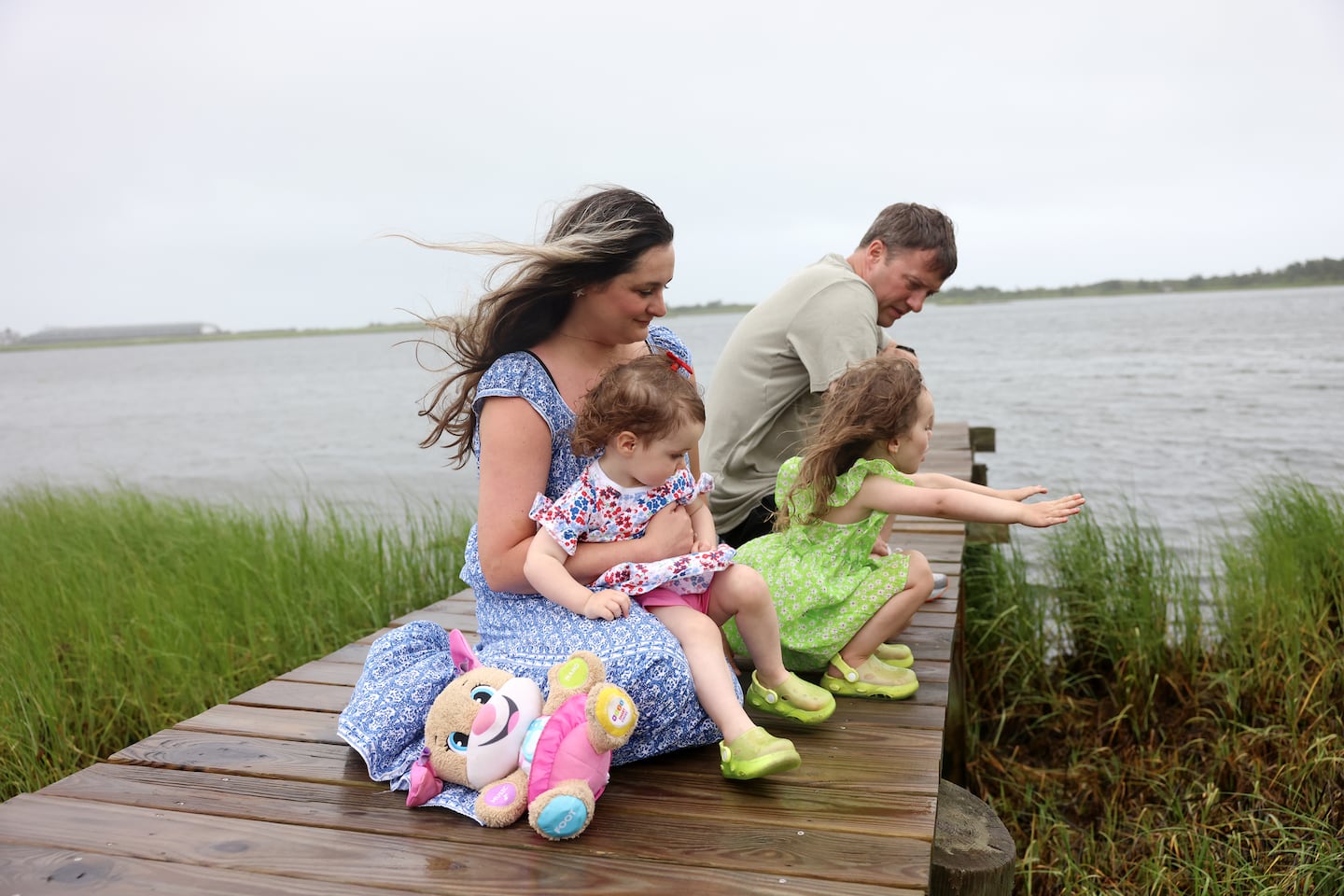 Courtney Walker sat with her 22-month-old daughter, Lily, in her lap as they looked for crabs with her other daughter, Maddie, 4, and husband Mike on a dock in Yarmouth. Walker had postpartum depression after giving birth to Lily and received care at McLean Hospital.Jessica Rinaldi/Globe Staff
She added that another unanswered question is whether the conditions worsen with every birth. Statistics indicate first pregnancies are the worst for postpartum mental health issues, but that could be because some women who’ve experienced the most severe symptoms choose not to have other children, Schiller said.
Symptoms often surface when women are no longer in frequent contact with health care providers once they give birth. While pregnant patients may see an obstetrician a dozen or more times, many have just one routine postpartum visit around six weeks after birth, and some exhausted new parents may even postpone or miss the appointment altogether.
“Our whole postpartum support system is pretty bleak,” said Shah. “You deliver a baby, leave the hospital 48 hours later. After that, that’s kind of it.”
Clinicians have labeled the 12-week period after birth as the “fourth trimester,” which some experts argue is when mothers need the most care but often receive the least.
Massachusetts has more resources for perinatal mental health care than most states, said Dr. Kate Salama, a reproductive psychiatrist who practices in Massachusetts and whose training included a one-year specialized fellowship in women’s mental health at Brigham and Women’s Hospital.
One 2024 study found Massachusetts had more than four psychiatrists who specialize in perinatal issues for every 5,000 births, one of the best ratios in the nation. That number, however, can be misleading, experts said.
There is no formal process to credential specialists, Salama said. Some providers, she said, describe themselves as specializing in women’s mental health, but may not have the depth of training to properly diagnose and treat serious postpartum mental illness. Other general psychiatrists are uncomfortable treating pregnant or postpartum patients, leaving OB/GYNs or other mental health providers without specialized training to identify symptoms.
“Set that pipeline against the hundreds of thousands of women affected by maternal mental health conditions each year, and the mismatch explains itself,” Salama said.
Under the Massachusetts maternal health law, pediatricians and OB/GYNs are now expected to screen parents for postpartum depression during visits.
Some institutions, including Mass General Brigham, are working to fill the gap in postpartum care. Mothers who qualify can be referred to the system’s Family Partners Program, where they’re matched with a case worker who can provide food assistance, housing, and transportation to keep them connected to the health care system.
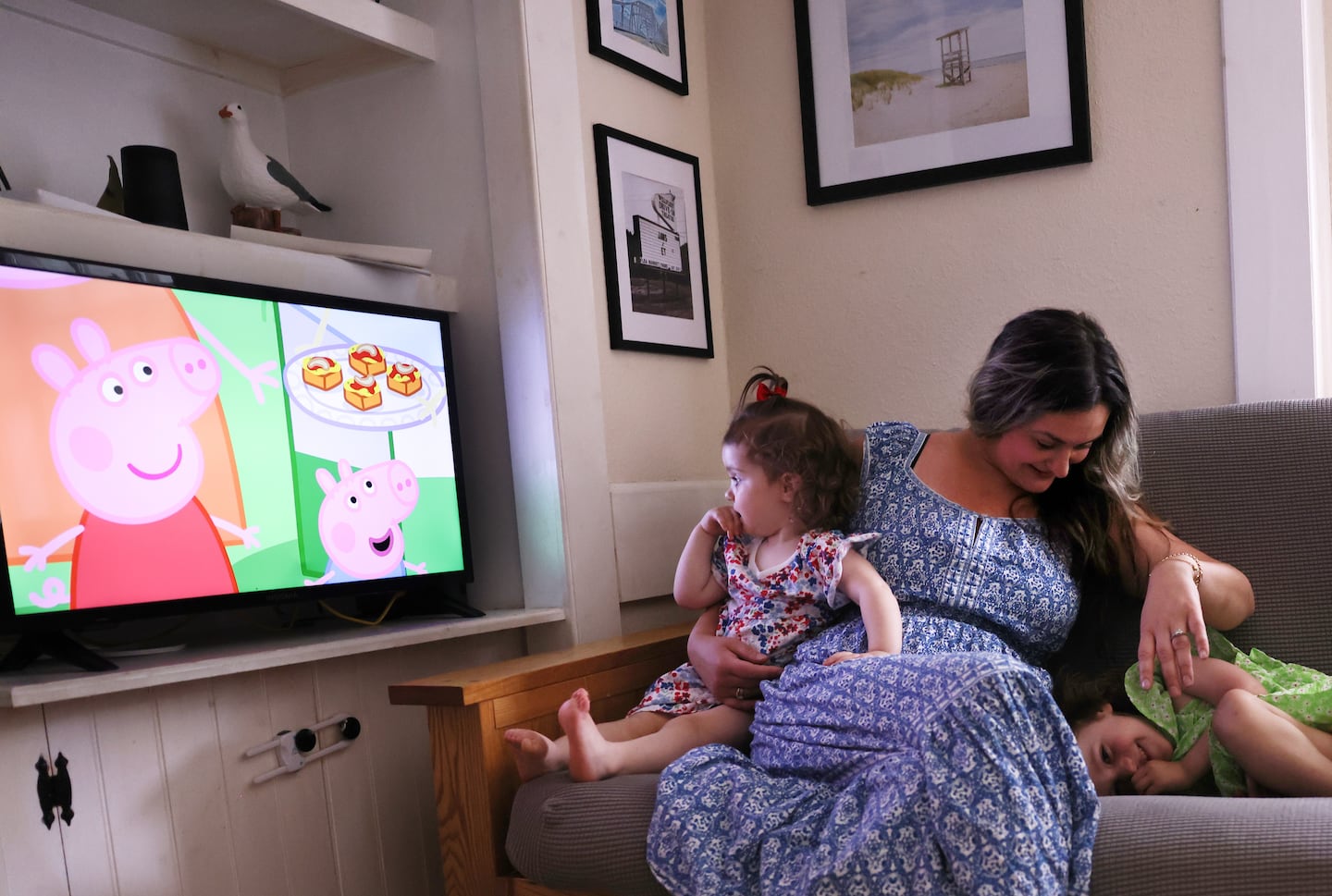 Courtney Walker held her 22-month-old daughter, Lily, as she leaned over to joke with Maddie, 4, in their living room.Jessica Rinaldi/Globe Staff
Courtney Walker, a nurse anesthetist from Malden, said she experienced postpartum depression after the birth of her second daughter in September 2025. Her doctor prescribed an antidepressant from the class of drugs known as SSRIs and recommended she continue weekly therapy; however, her symptoms persisted, and eight weeks later, she and her newborn went to the emergency room.
“I stopped being able to eat. I stopped being able to sleep. I was having 24/7 panic attacks. I had a lot of intrusive thoughts,” said Walker, 37.
She said emergency room staff did not know how to diagnose her, so she was quickly admitted to McLean Hospital — where Clancy also received care. Walker was admitted for two weeks and was diagnosed with OCD and depression, she said, while her baby stayed home with her husband and family.
A week after her discharge from McLean, she was admitted to a local hospital for a week of partial inpatient care, which put her alongside patients with vastly different conditions. Eventually, she received an official diagnosis of severe postpartum depression. While she said providers at both facilities were kind and attentive, her forced separation from her newborn made her condition worse.
“I was taken away from my baby for weeks. I had been exclusively breastfeeding, and then I couldn’t anymore,” she said. “I ended up having impaired bonding with my child.”
For all its vast medical resources, Massachusetts doesn’t have an inpatient psychiatric unit where a mother can be admitted with her infant.
Walker, who is now 20 months postpartum, is recovering and said she has a healthy and happy relationship with her children.
Her experience drove her to obtain a certification for Perinatal Mental Health, and Walker now works as a volunteer hosting support groups for women like her. She said that while it was unfortunate it was the Clancy case that brought attention to maternal mental health, she hopes it might spur the creation of more dedicated care options so that no mother goes through what Clancy did.
“She asked for help so many times,” Walker said. “She just needed a long-term inpatient situation until she was better, and that’s where we are really failing here in Massachusetts.”
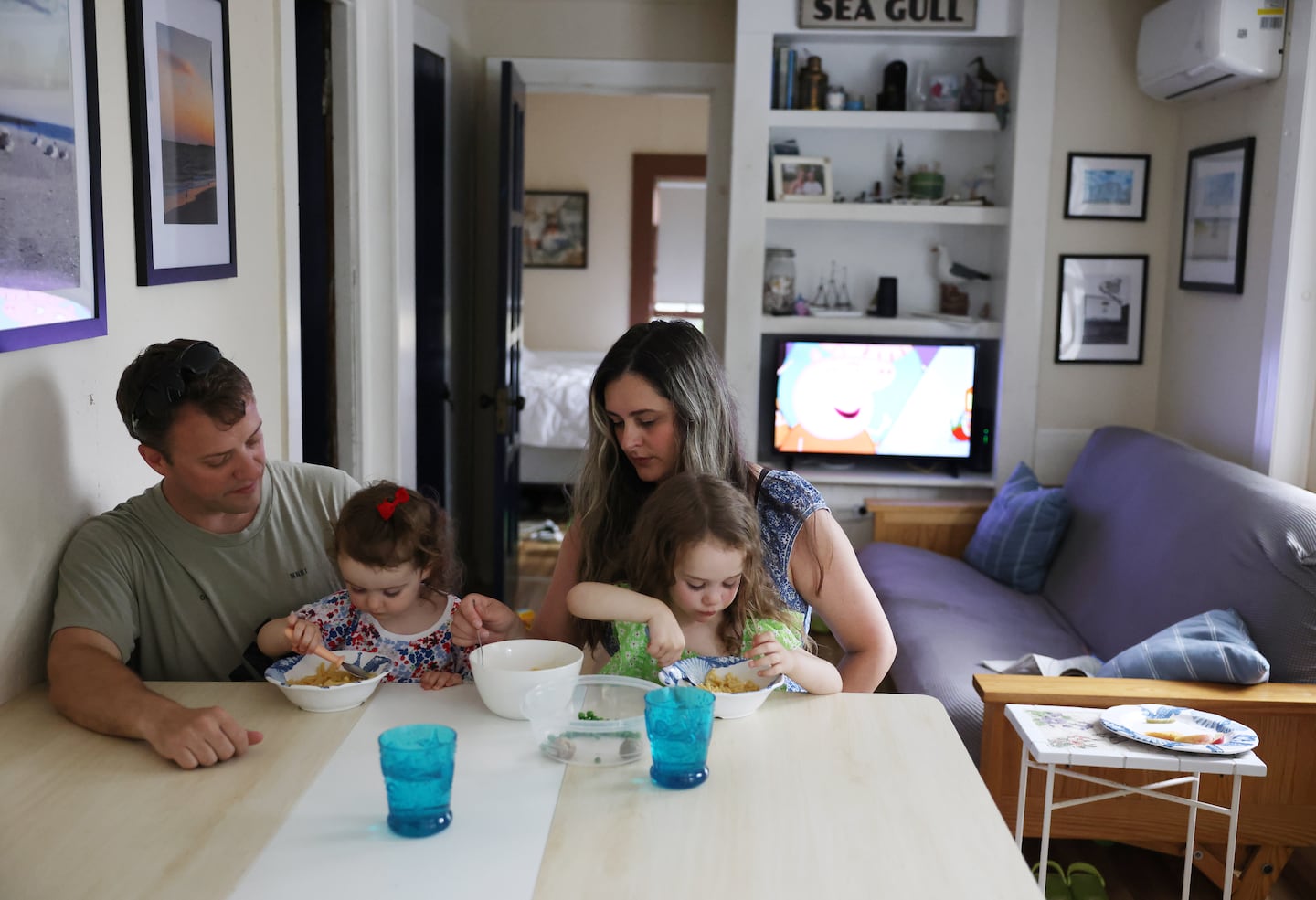 Mike Walker sat with daughter Lily and Courtney Walker sat with daughter Maddie, 4, as they fed their kids. Jessica Rinaldi/Globe Staff
Sarah Rahal can be reached at sarah.rahal@globe.com. Follow her on X @SarahRahal_ or Instagram @sarah.rahal. Jason Laughlin can be reached at jason.laughlin@globe.com. Follow him @jasmlaughlin. Chloe Craft can be reached at chloe.craft@globe.com.