
Israel, Saudi Arabia, Jordan, and Iraq reported drone attacks in their territory Monday amid a lull in US air strikes against Iran, after nearly two weeks of fighting between both sides.
The Israel Defense Forces said Monday morning that it shot down two drones over the Jordan border, near the Dead Sea, adding that the drones did not cross into Israeli territory. Their origin was under investigation, the army said.
Saudi Arabia’s defense ministry, meanwhile, said it shot down drones aimed at petroleum targets, some in its eastern province and others in the capital Riyadh. It said the drones had been launched from Iraq by Iran-backed militias, and it reserved the right to respond.
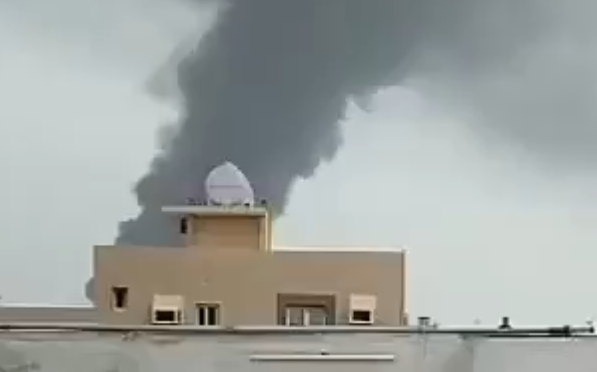
Satellite imagery circling on social media appeared to show damage caused to Saudi Aramco’s Abqaiq oil processing facility in the country’s east. Separate footage showed a large plume of smoke rising, purportedly from the facility, following the attack.
Iran-backed militias in Iraq have not claimed any attacks in the region since the resumption of hostilities between the US and Iran this month, after an April ceasefire broke down, but Saudi Arabia was repeatedly targeted by the groups at the height of the war with Iran that erupted in February.
Get The Times of Israel’s Daily Edition
by email and never miss our top stories
By signing up, you agree to the terms
Separately, Iran’s Houthi allies in Yemen said they had targeted transit sites carrying oil west to Saudi Arabia’s main Red Sea oil port of Yanbu, in retaliation for what it said were Saudi drone incursions into Yemeni airspace.
Riyadh did not immediately comment on the Houthis’ claims, which came after several days of strikes traded between the two sides. The fighting rekindled when the latter announced a blockade of Saudi Arabia’s oil industry in the Red Sea, sending oil prices even higher.
Saudi Arabia responded with airstrikes on what it said were Houthi military facilities in Yemen’s Hodeidah port, saying it would protect shipping.
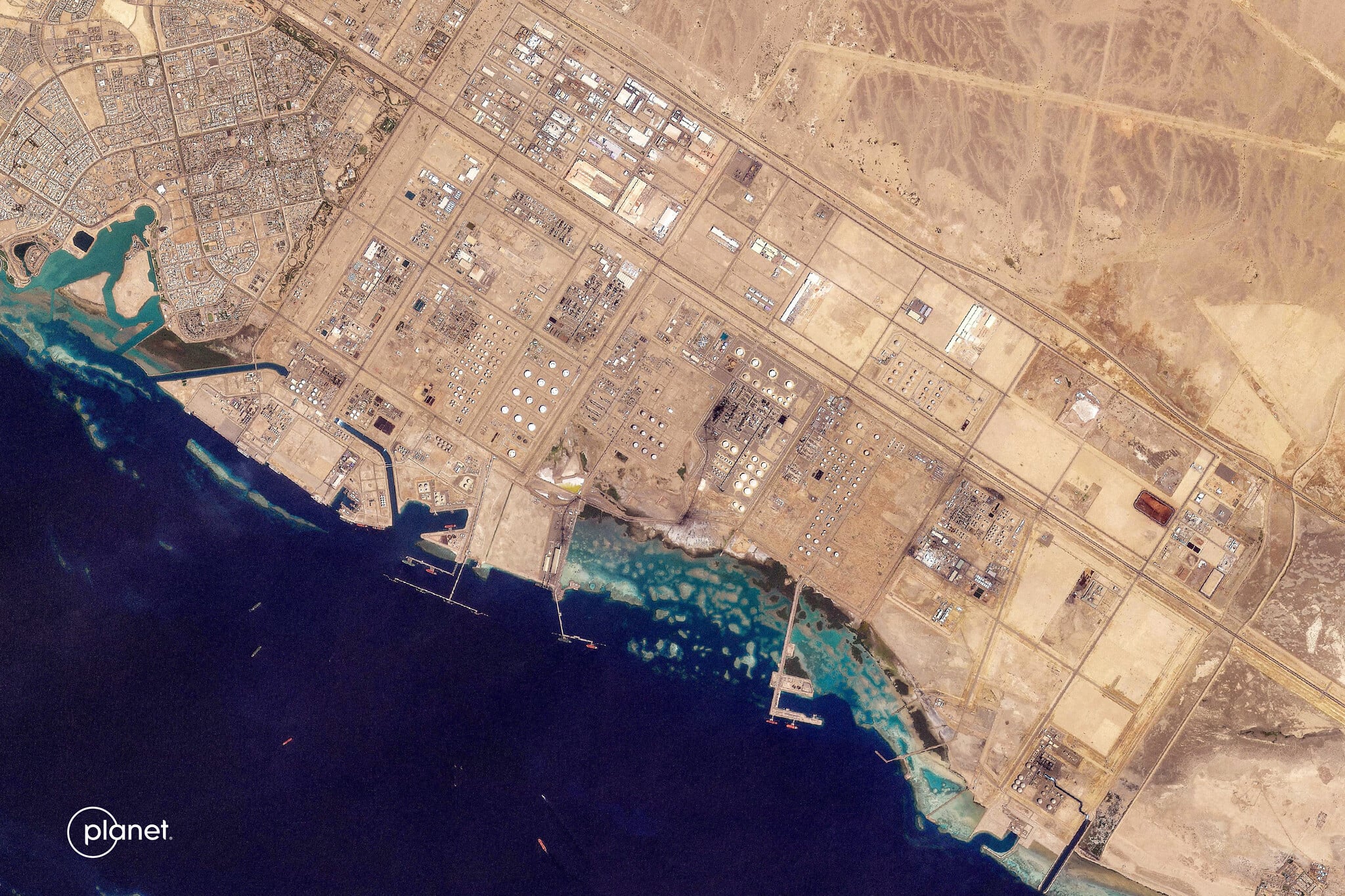
This handout satellite image taken by 2026 Planet Labs PBC shows the oil infrastructure at Saudi Arabia’s western Red Sea port of Yanbu on March 4, 2026. (2026 Planet Labs PBC / AFP)
The latest flare-up between Saudi Arabia and the Houthis marked the first time in years that the two sides have traded blows, threatening a 2022 truce that has held despite expiring.
Jordan also reported that its forces shot down two drones, and Iraqi security sources reported a series of drone attacks on camps housing Iranian opposition Kurdish forces in northern Iraq.
Neither Jordanian nor Iraqi officials identified the sources of those drones.
Jordan and northern Iraq were the locations where four US service members were killed during the two-week air campaign, which US President Donald Trump suspended abruptly over the weekend after his top brass advised him that the strategy had run its course.
Iran has said it will pause its own attacks for as long as Trump’s self-imposed ceasefire continues. But it also said it was still in control of the contested Strait of Hormuz, and was not seeking to resume peace talks with the US.
The US and Israel on February 28 launched a joint bombing campaign on the Islamic Republic in a bid to destabilize the regime and destroy its ballistic missile and nuclear programs.
Iran responded with missile and drone strikes across the region and by blockading the Strait of Hormuz, which previously carried about a fifth of the world’s commercial oil shipments. Hezbollah joined the fighting in support of Iran, by opening fire on Israel.
The fighting entered a truce on April 8, and the US and Iran last month reached a memorandum of understanding for peace talks. Israel was not a party to the agreement or the talks. The US has since attacked Iran in response to the Islamic Republic’s continued attacks on Hormuz shipping.
After 13 successive nights of bombing, Trump ordered an end to the campaign. The US ambassador to the United Nations described it as a move to allow room for negotiations with Tehran.
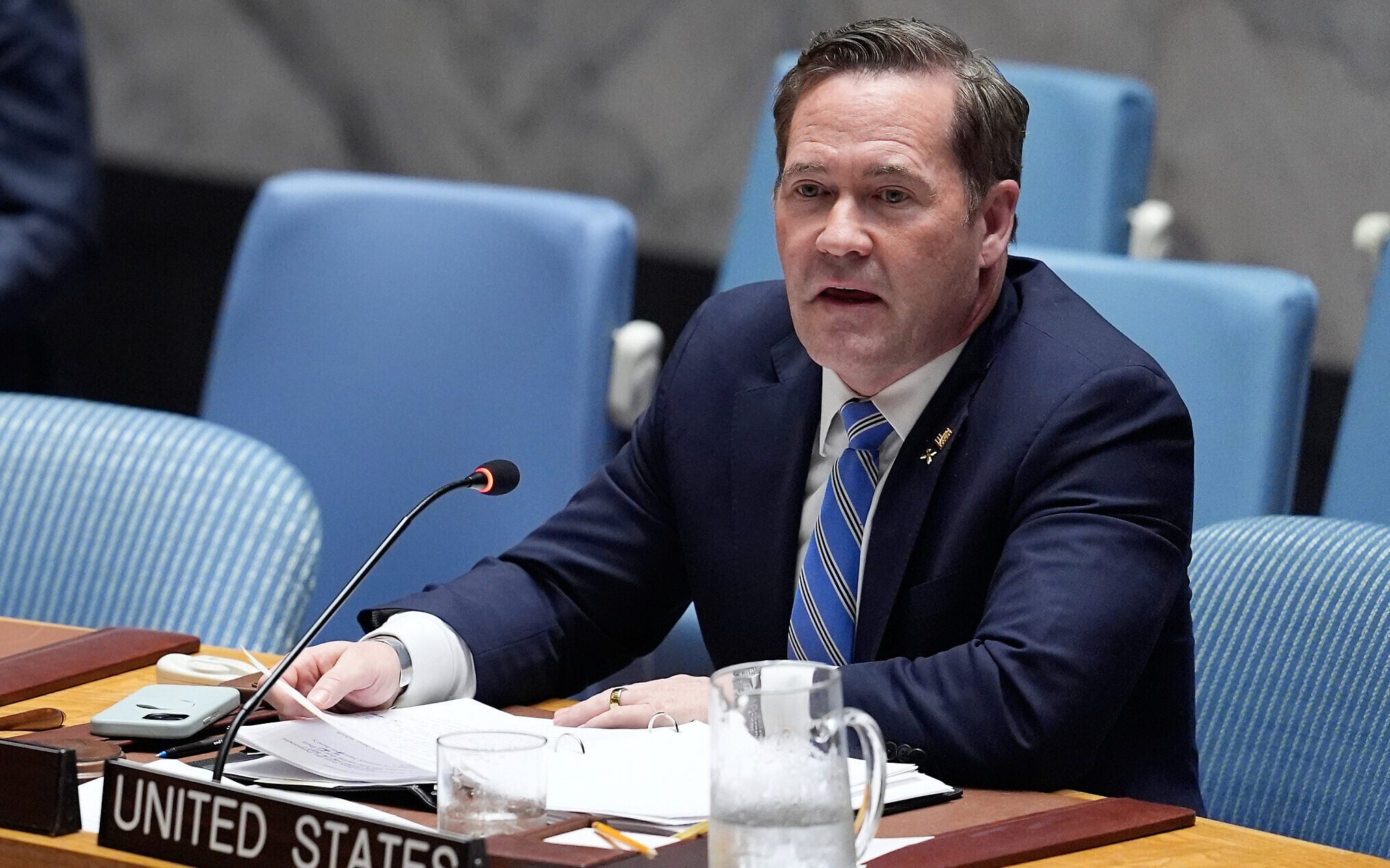
United States Ambassador to the UN Mike Waltz speaks during a Security Council meeting at United Nations headquarters, March 11, 2026. (Seth Wenig/AP)
But the spokesperson for Iran’s Foreign Ministry, Esmail Baghaei, said in a televised press conference on Monday that Iran had not asked to resume peace talks with the US.
Messages were still being passed between the sides through mediators and Iran had not forsaken diplomacy, but “reports about Iran requesting negotiations with the US are fabricated,” Baghaei claimed. “This is not in our DNA.”
Tehran also indicated it was still in control of the Strait of Hormuz.
Times of Israel staff contributed to this report.
We can’t do this work alone.

The war with Iran has been draining for all of us in Israel. But when I heard about a high casualty incident – ballistic missile impacts in Arad and Dimona that left nearly 200 people wounded – I drank a cup of coffee, packed a bag, and headed south.
There, I spoke with Shilgit, the head of an after-school program for underprivileged youth. Standing outside her destroyed center, Shilgit said it was a miracle that no children were hurt and spoke about the community coming together in the hours since.
As a Times of Israel reporter, I’m committed to telling stories of resilience like Shilgit’s. But my colleagues and I can’t do this alone. If you value work like this, please consider joining our reader support group, The Times of Israel Community. Your financial support is essential to keep real human reporting like this going.
— Stav Levaton, military reporter
Already a member? Sign in to stop seeing this
You’re a dedicated reader

That’s why we started the Times of Israel – to provide discerning readers like you with must-read coverage of Israel and the Jewish world.
So now we have a request. Unlike other news outlets, we haven’t put up a paywall. But as the journalism we do is costly, we invite readers for whom The Times of Israel has become important to help support our work by joining The Times of Israel Community.
For as little as $6 a month you can help support our quality journalism while enjoying The Times of Israel AD-FREE, as well as accessing exclusive content available only to Times of Israel Community members.
Thank you,
David Horovitz, Founding Editor of The Times of Israel