
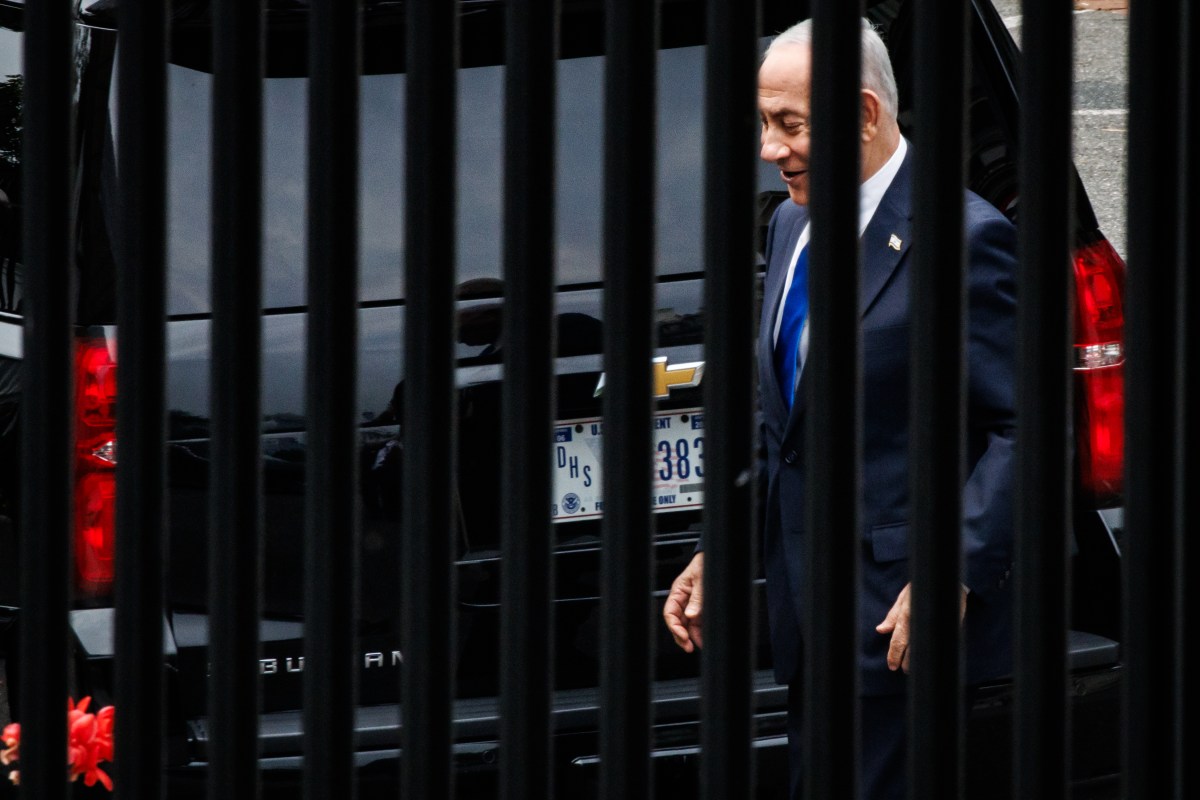
Israeli Prime Minister Benjamin Netanyahu came to the White House on Tuesday looking for something Donald Trump has so far refused to give him: a public boost heading into an election he is increasingly likely to lose.
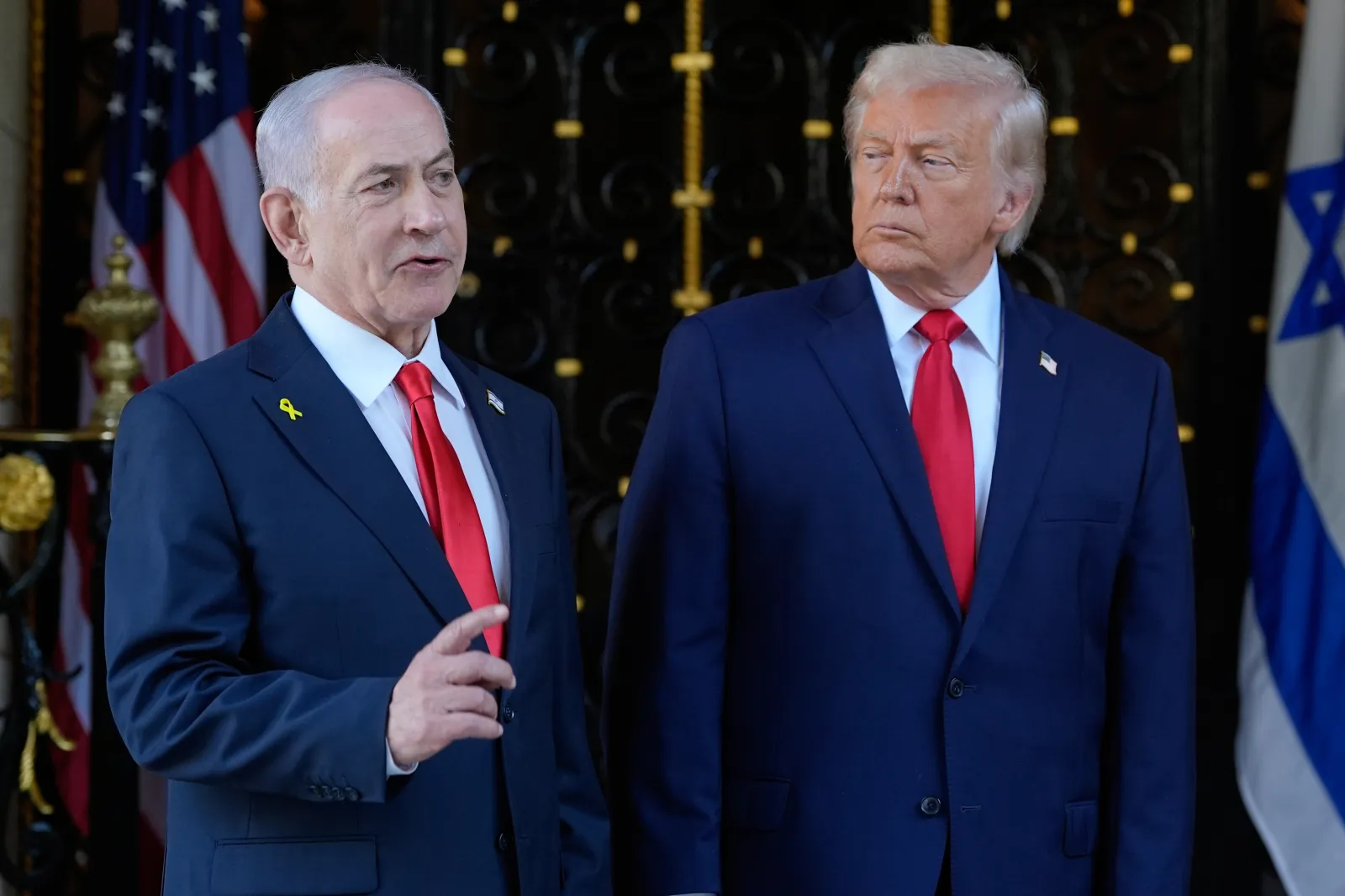
The two leaders met in the Oval Office for the first time since launching a joint war against Iran on February 28, a war that has since driven a wedge between them. Netanyahu wanted Trump’s backing on Iran policy and, more quietly, wanted to be seen standing beside the American president at a moment when polls show his own coalition trailing at home.
Trump gave him a mixed welcome. Asked Monday whether he and Netanyahu remained aligned on Iran, Trump said, “We have a little difference. But pretty close, yeah.” He was more pointed hours before Tuesday’s meeting, dismissing reports that Netanyahu planned to brief him on Iranian nuclear activity at a site known as Pickaxe Mountain.
Read More on Politics
“I know exactly what’s going on at Pickaxe,” Trump told Fox & Friends, adding that “Bibi’s telling me that because he wants me to stay involved.” He asked, “Why do you have to announce to the world?”
Trump has also repeatedly declined to endorse Netanyahu ahead of the vote. He has called him a “great wartime prime minister” but each time in the past tense.
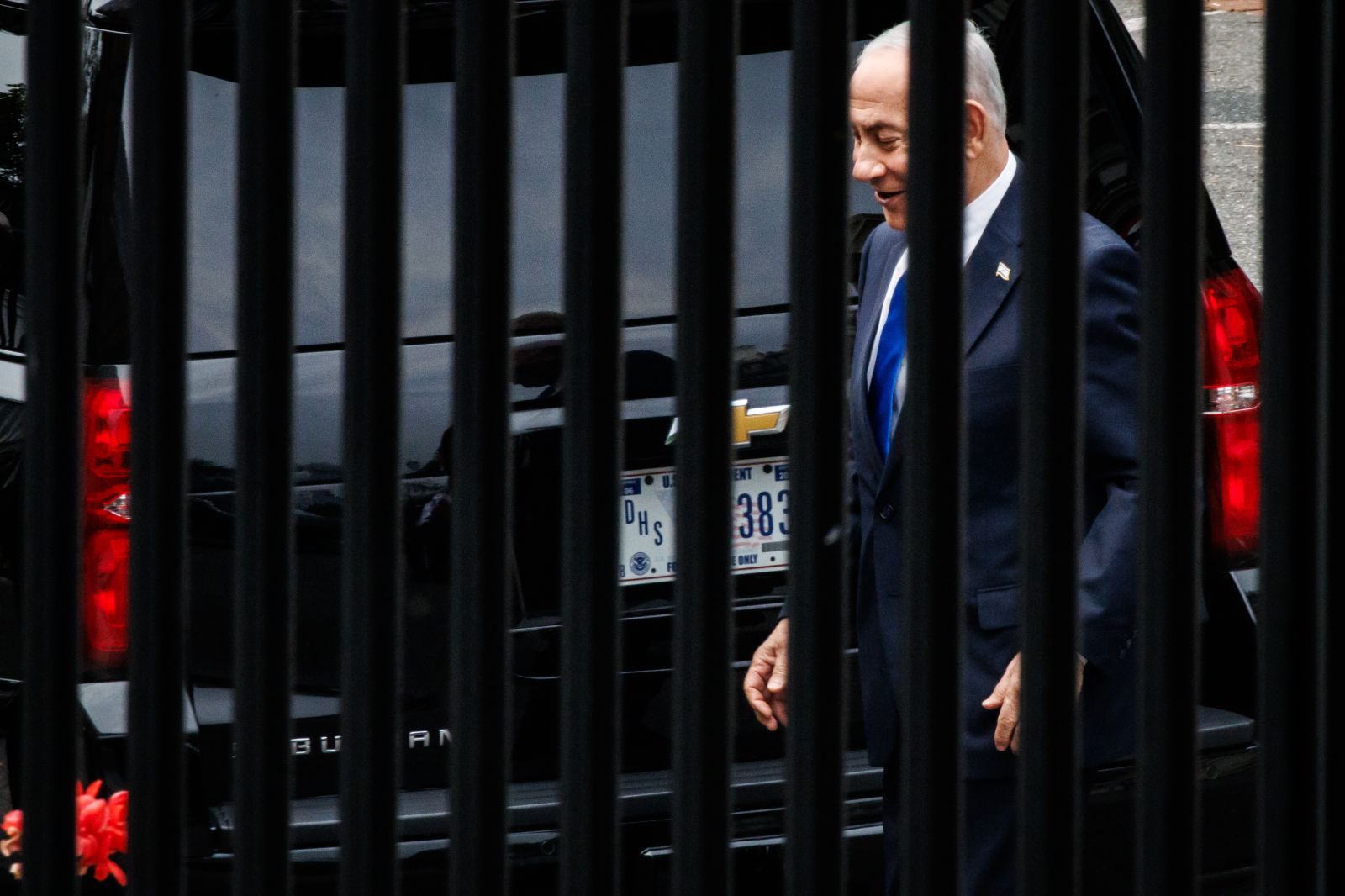 Why Netanyahu Needs the Visit
Netanyahu’s influence over Trump’s Iran policy has been slipping for months. He wanted to keep fighting Iran and Hezbollah in Lebanon; Trump instead pursued a negotiated deal with Tehran. Israeli journalist Amit Segal described the dynamic bluntly in a Monday column for Israel Hayom.
“The Americans are making it clear to the Israelis they are the ones who are running the war,” he wrote, adding that Israel has been “put in the back seat.”
Israel’s ambassador to the United Nations, Danny Danon, told reporters in New York that Netanyahu came to Washington to find out what Trump wants next.
“I cannot tell you which direction it will go. There are different options,” Danon said. “We are prepared for all scenarios, and we will discuss it with the president.”
Netanyahu had signaled as much himself two days earlier on Fox News. “I think, in many ways, it’s his decision” how to proceed on Iran, he told host Maria Bartiromo, adding that ending the war without further fighting was fine with him, “but one way or the other, they have to end their nuclear program.”
The Numbers Driving the Urgency
Netanyahu’s appeal to Trump comes as his political position at home has deteriorated. A poll published July 18 by N12 found 49 percent of Israelis backing only parties in the anti-Netanyahu bloc, compared with 36 percent for his own bloc, after former Prime Ministers Naftali Bennett and Yair Lapid merged their parties into a “Together” alliance in late April.
Prediction markets show a similarly tight race. On Polymarket, where more than $7.3 million has traded on who becomes Israel’s next prime minister, Netanyahu was priced at 40 percent as of Tuesday, with Bennett close behind at 39 percent. Former Israel Defense Forces Chief of Staff Gadi Eisenkot stood at 11.1 percent and former Defense Minister Avigdor Lieberman at 7.1 percent.
Trump’s Own Political Calculus
Trump has his own reasons to tread carefully. He is facing pressure to wind down an unpopular war that has driven up prices ahead of November’s midterm elections, and Israel has lost significant bipartisan support in the U.S. over its conduct of the war, particularly in Gaza. In June, Vice President JD Vance warned Israeli officials that Trump was their only friend left among world leaders.
The erosion has coincided with Netanyahu’s declining standing in Washington. An AP-NORC poll published this month found a marked drop in American support for Israel.
According to the survey, about one-third of U.S. adults, including roughly half of Democrats, believe that Israel has committed genocide against Palestinians during the war in Gaza, an accusation that’s been leveled by some human rights organizations and vehemently denied by Israel and the U.S. government. About 2 in 10 Americans say Israel has not, and the rest, about half, don’t know enough to say.
Overall, 60 percent of Republicans describe the U.S. support for Israel as “about right.” The share of Republicans overall who say the U.S. is “too supportive” of Israel has not changed meaningfully since 2024, but the share who say the U.S. is “not supportive enough” has shrunk from 39 percent to 15 percent.
A Funeral Before the Meeting
Netanyahu’s visit was bound up with the death of South Carolina Senator Lindsey Graham, a Republican and longtime Israel ally who died July 11 at 71. Netanyahu spoke at a memorial dinner for Graham on Monday night and attended his funeral Tuesday at Washington National Cathedral, where Trump delivered a eulogy.
Netanyahu said Israel had lost “one of its greatest friends.” “Lindsey understood that the security of Israel and America are inseparable,” he said.
A small group of protesters gathered near the White House fencing as the Oval Office meeting got underway, chanting “Netanyahu, you’re a tyrant” and “Bibi, you’re not welcome here.”
Contact Newsweek editors on this story: Jason Lemon and Sam Wilson.