
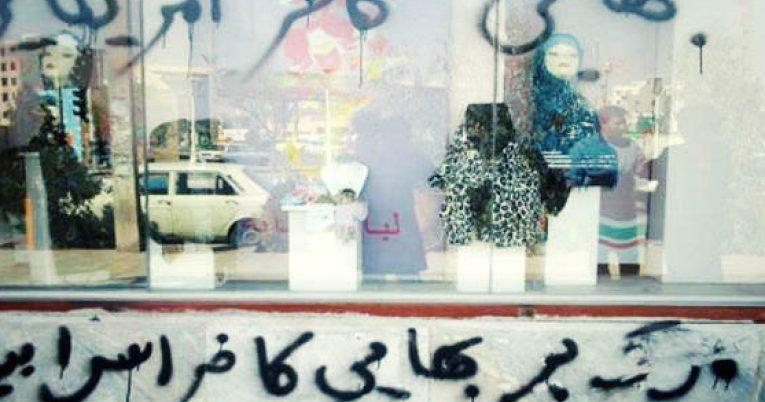
Mai Sato, the UN Special Rapporteur on the situation of human rights in Iran, announced in a message on X, formerly Twitter, that she and a group of UN experts had issued two separate statements regarding the situation of Baha’is and Christians in Iran. The statements warn of a sharp increase in arrests, torture, and violations of the rights of these religious minorities.
Referring to the two statements published on July 15 and July 29, Sato wrote that at least 61 Baha’i citizens and 79 Christian citizens, the majority of whom are Christian converts, are currently being held in detention centres or serving prison sentences.
According to her, reports received from Iran indicate the use of solitary confinement, enforced disappearances, torture to extract forced confessions, and the broadcasting of some of these confessions on state media outlets.
The UN Special Rapporteur specifically highlighted the names of several Baha’i citizens, including Payam Vali, Roya Sabet, Artin Ghazanfari, Shakila Ghasemi, Peyvand Naeimi, and Borna Naeimi. She noted that Peyvand Naeimi and Borna Naeimi were subjected to “mock executions” to coerce confessions and remain held under conditions that raise serious concerns regarding their health and safety.
Another section of the report details the situation of Mohammad Nikbakht, a Christian convert. According to UN experts, he was arrested at his home, severely beaten, and held without being allowed to communicate with his family.
Sato also pointed to the confiscation of St. Peter’s Evangelical Church in Tehran in early July and the eviction of 27 Armenian and Assyrian residents living within the church compound, framing it as part of a broader trend of escalating pressure on Iran’s Christian community.
The statement notes that, over the past year, Baha’is have been increasingly targeted with accusations such as “spying for Israel” while continuing to be denied constitutional recognition. Similarly, Christian converts face violent home raids, property confiscation, and charges of collaborating with foreign governments.
UN experts emphasized that the surge in arrests and pressure on religious minorities, particularly following the recent military conflict, raises serious concerns regarding violations of freedom of religion or belief, the absolute prohibition of torture, the right to a fair trial, and minority rights. They reiterated that, as a state party to the International Covenant on Civil and Political Rights, the Islamic Republic is obligated to uphold these international commitments.