
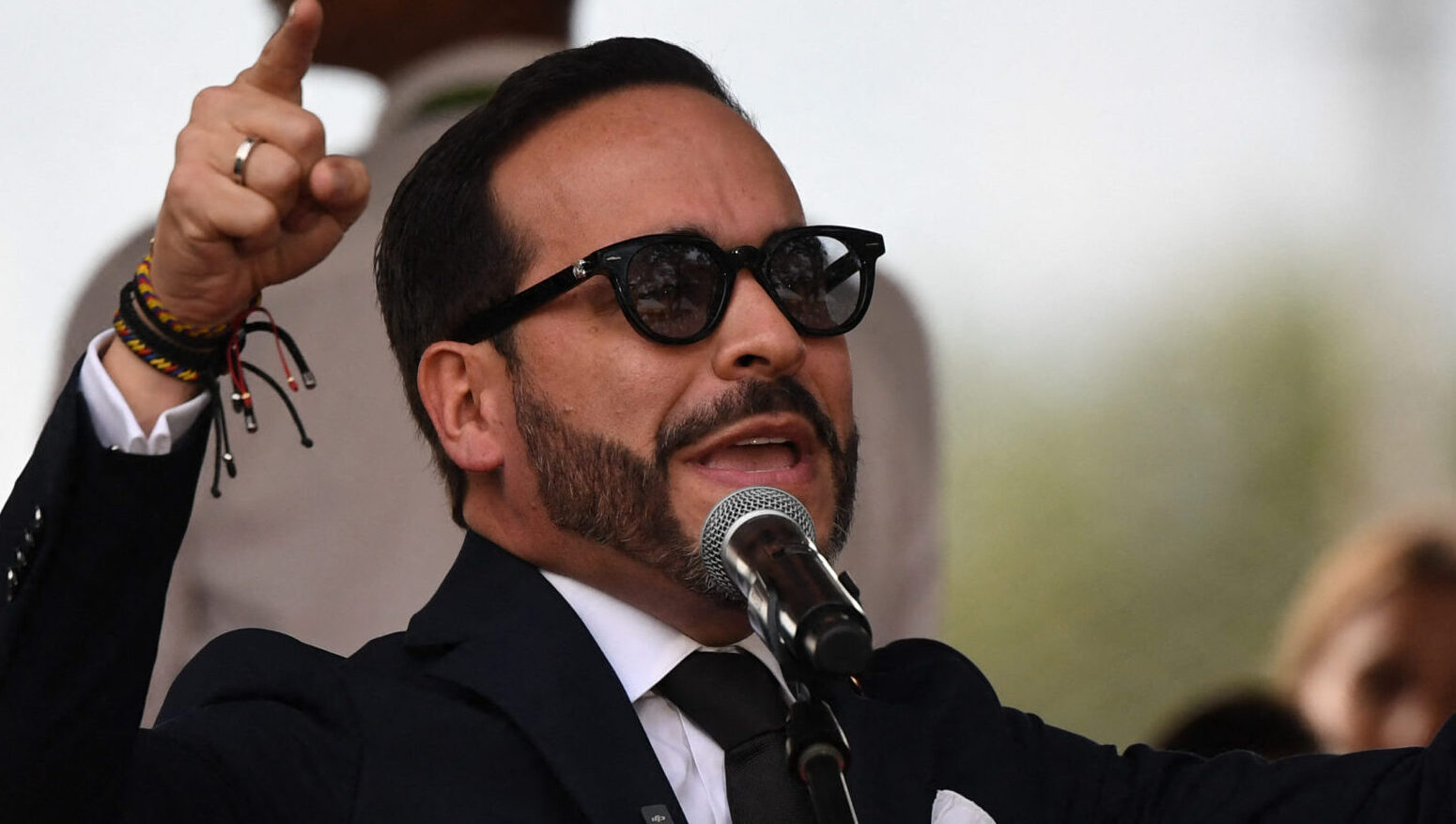
Colombia’s president-elect, Abelardo de la Espriella, will be sworn in on Aug. 7 with plans to undo nearly every major element of Gustavo Petro’s Israel policy, setting the stage for one of Latin America’s sharpest diplomatic reversals in recent years.
In his article Israeli Technology Could Halt Colombia’s Drug Traffickers as Relations Improve, The Media Line’s Gabriel Colodro describes the plans of the incoming administration to restore full diplomatic and economic relations with Israel, exchange ambassadors, lift visa requirements, pursue a Colombian embassy in Jerusalem and withdraw Colombia’s intervention in South Africa’s genocide case against Israel at the International Court of Justice (ICJ). The changes follow more than two years of strained relations after Petro severed diplomatic ties and imposed restrictions that included a ban on coal exports to Israel.
Security is expected to become a central pillar of the renewed relationship. Before the diplomatic break, Israel supplied Colombia with military equipment and security technology, and De la Espriella has said he wants greater access to Israeli weapons, drones and artificial intelligence. Alberto Spektorowski, a political scientist at Tel Aviv University, said cooperation on organized crime, narcotics trafficking and state security could deepen quickly. “Everything connected to state security will involve extensive collaboration with Israel,” he said.
Yet the diplomatic reset reaches beyond defense. Rather than simply reopening Colombia’s former embassy in Tel Aviv, De la Espriella has pledged to establish it in Jerusalem, a move that has already drawn criticism from Petro and the Organization of Islamic Cooperation. The embassy plan remains a political commitment, with no opening date or budget announced.
Marcos Peckel, executive director of the Confederation of Jewish Communities of Colombia, expects the restoration of diplomatic relations to be announced during or shortly after the inauguration. He said restoring embassy-level ties should be relatively straightforward because Israel’s mission in Bogotá continued operating as a consulate after relations were severed.
The first announcements could come as soon as Aug. 7. But reopening diplomatic ties may prove to be the simplest part of the reset. Withdrawing Colombia’s ICJ intervention, repealing the coal ban and opening an embassy in Jerusalem will each require additional legal or administrative steps, leaving the incoming government to demonstrate how quickly it can translate campaign promises into policy.