
The word “genocide” is everywhere. Politicians, social media influencers, journalists and pundits increasingly use it to describe Israel’s war in Gaza — as though one of the gravest accusations in our moral vocabulary has already been settled.
I am troubled not because Palestinian suffering is exaggerated, but because genocide means more than devastation: it requires an intent to destroy a people. I do not believe that has been proven in Israel’s case simply because the charge has been repeated often enough.
The stakes are personal. I am an American Jewish woman about to marry an Israeli man, and God willing, we will have Israeli-American children. In my years as a journalist covering antisemitism in America and abroad, I’ve seen how quickly rhetoric about Israel can bleed into the treatment of Jews.
Genocide carries extraordinary moral weight. Its legal definition is contested, but intent remains its central requirement. Civilian death and destruction, however horrific, do not establish genocide. Israel says its goals were to defeat Hamas, return the hostages and prevent another Oct. 7; its accusers argue that genocidal intent can be inferred from Israel’s conduct and officials’ statements.
That dispute has unfolded alongside proceedings before two international courts, but only one is considering genocide. In November 2024, the International Criminal Court issued a warrant for Bibi Netanyahu over alleged war crimes and crimes against humanity—not genocide. He has not stood trial or been convicted.
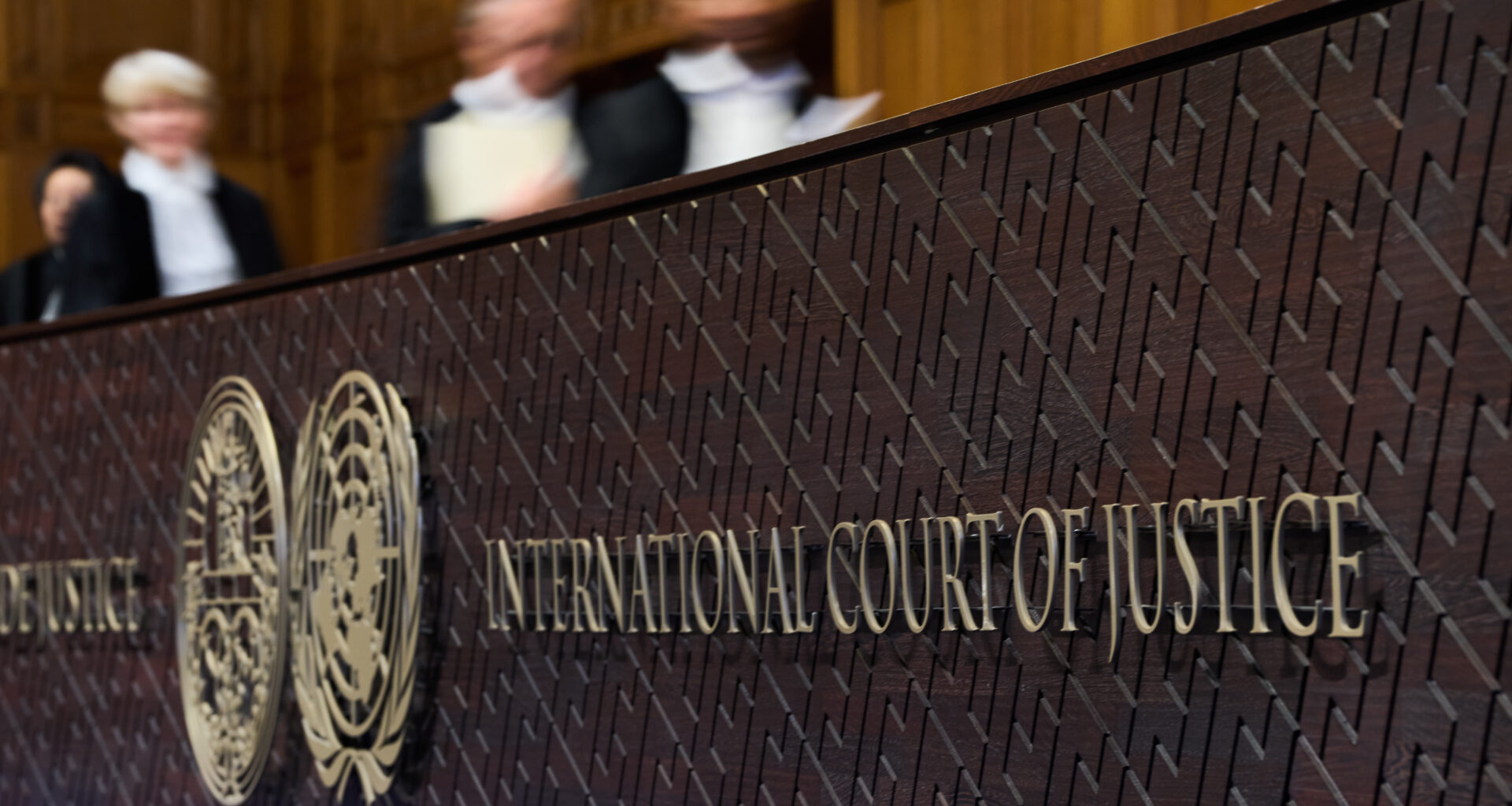
The genocide case is before the International Court of Justice, where South Africa has accused Israel of violating the Genocide Convention. The court has ordered provisional measures but has not ruled that Israel committed genocide.
Nor should declarations from organizations be confused with judicial findings. Amnesty International, B’Tselem, UN Special Rapporteur Francesca Albanese, the UN Human Rights Council and the International Association of Genocide Scholars have all accused Israel of genocide. Their evidence deserves serious consideration, but they operate within particular political and institutional frameworks.
The Human Rights Council has long faced accusations of disproportionate scrutiny of Israel; Israel remains the only country with its own permanent agenda item. Albanese has faced repeated questions about her impartiality from Western governments after controversial statements about Israel, Jews and the Oct. 7 attacks.
Amnesty International has been criticized for taking a broader approach to proving genocidal intent than some legal scholars believe established case law allows. B’Tselem campaigns against what it calls Israel’s “apartheid and occupation” and receives funding from foreign governments and advocacy organizations.
Last August, the International Association of Genocide Scholars passed a resolution declaring that Israel’s actions met the legal definition of genocide. Yet only 28% of its members participated, and its membership includes not only academics but advocates, artists, NGO representatives and independent scholars.
The conclusions of these organizations should not be presented as though no legitimate disagreement remains — or mistaken for a court verdict.
Soon I will stand beneath a chuppah with an Israeli man. I hope our children will carry their Israeli identities openly and proudly. I do not want them to inherit an accusation that became conventional wisdom before the legal question was resolved.
Palestinian suffering does not become less real because the allegation remains contested. But before we turn it into history, we should ask whether the evidence has met genocide’s extraordinary threshold.
Kaden writes regularly on issues concerning the Jewish community in the U.S. and abroad.