
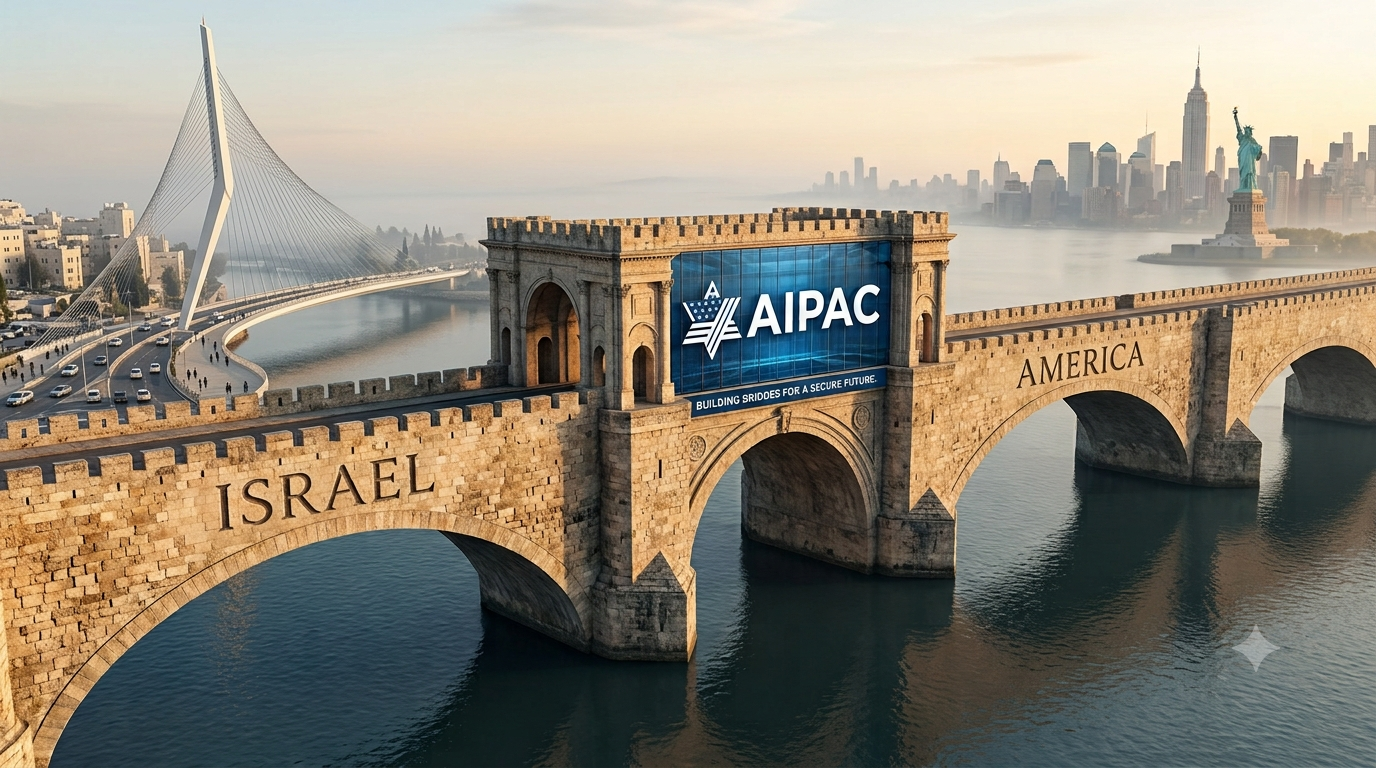
If each of us were to conduct a quick survey on an Israeli street and ask, “Have you ever heard of AIPAC?” the results would likely be disappointing. The average Israeli is preoccupied with the troubles of everyday life and finds little time to learn about American Jewry. As a result, Israelis have little understanding of the extent to which their well-being and security depend on America’s pro-Israel lobby. This gap in Israeli awareness creates many problems, and ultimately both sides lose.
The Israeli government does not do enough to bring together the two largest parts of the Jewish people. From the government’s perspective, AIPAC is a wonderful instrument for advancing Israeli interests in America, but it is not regarded as a vehicle for strengthening the dialogue over Jewish identity between Israeli and American Jews. Israel’s ultra-Orthodox establishment leaves little room for Jews who do not share its worldview, and certainly not for those labeled “pluralists.”
Strengthening the Jewish bond between Jews on both sides of the ocean is vital to Israel’s security. It is also what will ensure the long-term resilience of the pro-Israel lobby. We must not take AIPAC for granted.
AIPAC’s methods of operation are also little understood by the Israeli public. Since the genocide perpetrated by the Palestinians against Israelis on October 7, the American political landscape has changed to Israel’s disadvantage. Once, we enjoyed bipartisan support. Today, we are increasingly confronted with bipartisan hostility.
The Qatari-Palestinian lobby is gaining momentum. It is succeeding in defeating politicians who do not align themselves with its agenda, including candidates running for Congress and local office. Qatari money buys influence, and it is difficult to find Americans willing to turn away from Qatari wealth.
In times like these, we Israelis need AIPAC more than ever. Identifying candidates for American political office, supporting their campaigns, and mobilizing them to vote for Israel on crucial issues are among AIPAC’s unique areas of expertise. The America of Trump’s second term is less welcoming to Israel. Israel has proven itself to be America’s only reliable ally in the Middle East, and the only one willing to fight shoulder to shoulder with the U.S. military against its enemies. And yet America is turning away from Israel.
The recent vote in the House of Representatives on ending financial support for Israel is evidence of this. Increasing numbers of American politicians are joining the anti-Israel lobby. In the end, the anti-Israel initiative failed. But Israelis should take note: without AIPAC, the outcome could have been far worse.
AIPAC has become the central, perhaps even the defining, issue in the current American election campaign. All the arrows of Israel’s enemies are aimed at this remarkable organization. In a certain sense, AIPAC serves as Israel’s security buffer; its forward line of defense against a pro-Palestinian incursion into American politics.
The Israeli public must understand this. The Israeli government must say so openly. And Israel must educate its children about the values that AIPAC represents. Anyone who still carries the spark of Zionism in their heart should express gratitude to this organization, to its supporters, to its leaders, and to the thousands of activists across America who work tirelessly on Israel’s behalf. As for me, I say every morning: God bless AIPAC.
I hold a PhD from the Hebrew University of Jerusalem in the field of Jewish philosophy.
I am the author of three books:
1. Poetic Justice
2. Aesthetics in Judaism
3. Jerusalem and Nineveh (published in Hebrew, English, and Arabic)
I serve as Chairman of the Lishana Association, dedicated to the revival and preservation of Aramit (Jewish Aramaic) in Israel.