
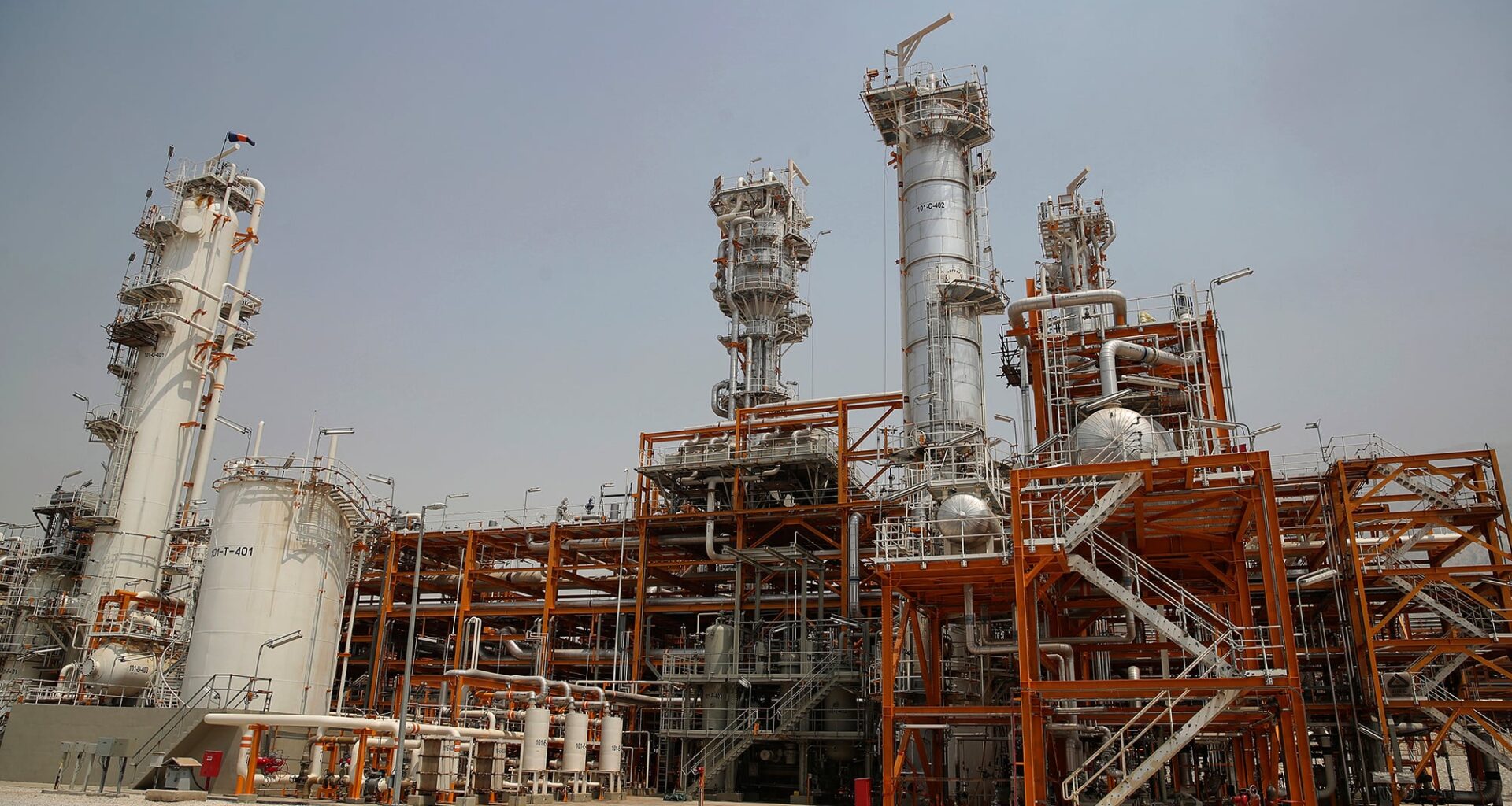
DUBAI — Iran will restore 95 million cubic meters (mcm) per day of gas production capacity by the end of September, its oil ministry said on Tuesday, as Tehran repairs energy infrastructure damaged during the war with Israel and the United States.
In July, a senior government official said Iran expected to restore about 100 mcm per day of natural gas production capacity “within the coming months,” after strikes cut output by about 230 mcm/day since the war started in late February.
Oil Minister Mohsen Paknejad was quoted by the ministry’s news outlet as saying 95 mcm/day of lost capacity would return following damage to gas-processing facilities in Assaluyeh.
He said the impact had largely been offset by using spare capacity at other gas-processing plants.
Reconstruction of four damaged gas-processing plants was advancing rapidly, Paknejad said, adding debris had been cleared, reconstruction systems were in place and contractors had begun work.
Get The Times of Israel’s Daily Edition
by email and never miss our top stories
By signing up, you agree to the terms
He said rebuilding was expected to finish ahead of schedule, allowing the full lost capacity to return to the production network.
Some of the restored capacity would nevertheless be unavailable during the winter, Paknejad said, meaning Iran would need to manage both gas supply and consumption carefully to avoid challenges in meeting demand.
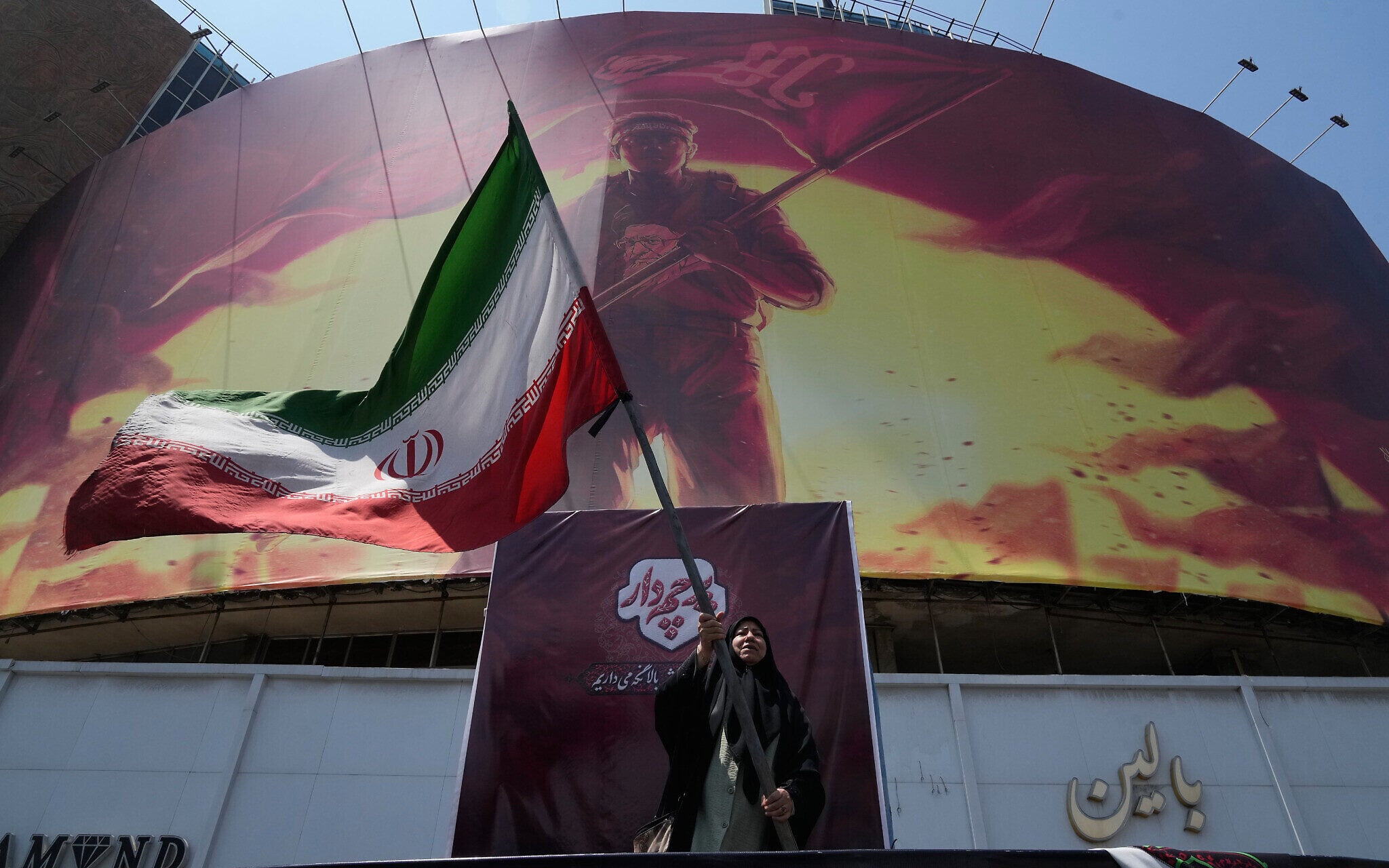
A woman waves an Iranian flag next to a billboard showing a graphic of a man wearing a shirt showing the face of late Iranian supreme leader Ayatollah Ali Khamenei with words calling upon the avengers of Imam Hussein, in a square in downtown Tehran, Iran, August 1, 2026. (AP Photo/Vahid Salemi)
Energy prices rise as Hormuz deal hopes fade
Meanwhile, energy prices surged globally as hope for a Strait of Hormuz deal between the US and Iran faded, with the two sides appearing no closer to a deal on the crucial waterway despite upbeat comments from the White House earlier in the month.
Brent crude futures rose 5 percent in just the previous two days, and were last around $88 a barrel, their highest since July 31 and nearly 25% above early July’s near-four-month lows.
“We’re now in a bit of a Mexican standoff, if you’d like, in terms of who blinks first,” said Tony Sycamore, a market analyst at IG.
“This is going to be almost a war of attrition now,” he said. “You probably can see the [oil] market sitting around the $75 to $95 range while we wait to see who blinks first.”
Stephen Innes, global strategist at Quintex Intel, said: “In effect, both sides are trying to weaponize the oil barrel without firing another shot. Washington is trying to choke Iran’s ability to get its crude out, while Tehran is squeezing the artery through which everybody else’s crude gets through.”
“It is quite the game of chicken,” he said.

Small boats line the shore as cargo ships and other commercial vessels appear anchored in the Strait of Hormuz off Bandar Abbas, Iran, July 27, 2026. (Razieh Poudat/ISNA via AP)
The prospect of oil prices remaining elevated for the time being has revived concerns over inflation and boosted the chances of interest rate increases.
While a surprise loss of more than 20,000 jobs in the US economy last month eased fears of a Federal Reserve hike, a spike in price pressures could force the bank’s hand.
“Crude futures [are] seeing gains in the early trade as the US-Iran peace deal looks to be delayed along with further strikes from Ukraine hitting Russian refineries and tankers in the Black Sea,” said Dennis Kissler, senior vice president of trading at BOK Financial.
“With Iran making the added demands, most traders feel near term, tighter supplies are more probable for longer,” Kissler added.
In a further threat to supply, the Iran-aligned Houthis said they had struck Saudi Aramco’s Jazan refinery on Sunday. Saudi Aramco has postponed the restart of the 400,000-barrel-per-day refinery to August 30 after two Houthi attacks in recent weeks, according to an alert from industry monitor IIR that was seen by Reuters.
On the US supply side, stocks of crude oil in the US Strategic Petroleum Reserve fell by about 6.1 million barrels to 298.7 million barrels last week, the lowest level since January 1983, according to data from the US Energy Department.
Help us report truthfully on social media

As a multimedia journalist, my job is to take the quality, fact-based journalism produced by The Times of Israel newsroom and make it accessible across every platform — from Instagram posts to podcasts to short-form videos.
This is how many, especially young people, consume news these days. But misinformation is rampant on social media. Our team at ToI produces accurate, responsible short-form reporting on Israel and the Jewish world.
If you believe in the importance of factual social media journalism, please consider joining our reader support group, The Times of Israel Community. Your financial support is essential to sustain responsible multimedia reporting.
— Gabriella Jacobs, multimedia journalist
Already a member? Sign in to stop seeing this
You’re a dedicated reader

That’s why we started the Times of Israel – to provide discerning readers like you with must-read coverage of Israel and the Jewish world.
So now we have a request. Unlike other news outlets, we haven’t put up a paywall. But as the journalism we do is costly, we invite readers for whom The Times of Israel has become important to help support our work by joining The Times of Israel Community.
For as little as $6 a month you can help support our quality journalism while enjoying The Times of Israel AD-FREE, as well as accessing exclusive content available only to Times of Israel Community members.
Thank you,
David Horovitz, Founding Editor of The Times of Israel