
Now, the letter from an unnamed official at the DHSC’s secondary prevention directorate, states: “If a patient is worried about prostate cancer, then they can ask their GP about having a PSA test.
“As the health professional, the GP will consider the patient’s cancer risk to help with reaching a judgment on whether undertaking a PSA test is the right option for the patient, whilst clearly laying out to the patient the pros and cons associated with doing so.”
It also says that the latest guidance no longer considers men over 50 to be at high risk, because age is just one factor in assessing risk, despite the fact the chance of disease rises sharply with age.
‘Worst of both worlds’
David James, director of patient projects and influencing at charity Prostate Cancer Research, said: “This is a shocking betrayal and backward step that will condemn thousands more men each year to a late and incurable diagnosis.”
He said men were being left with “the worst of both worlds”, with no widespread screening programme, and increased barriers to getting a PSA test for those who were proactive about it.
He said: “The Government rejected wider prostate cancer screening using a UK National Screening Committee model that assumed opportunistic PSA testing would continue, despite experts warning that this distorted the comparison and inflated the harms of screening. Now, having used that model to argue screening would cause too much harm, it is dismantling the very testing system the model assumed would stay in place.
“That isn’t just inconsistent, it is a sleight of hand. Men are being left with the worst of both worlds: no widespread national screening programme, while facing greater barriers to getting a PSA test that could lead to their cancer being caught while it can still be cured.
“Undoubtedly this will save the NHS money and MRI capacity in the short term, but it is a false economy. Any savings made today will ultimately be paid for twice: by an NHS treating far more expensive advanced disease, and by men being told their cancer was found too late to cure.”
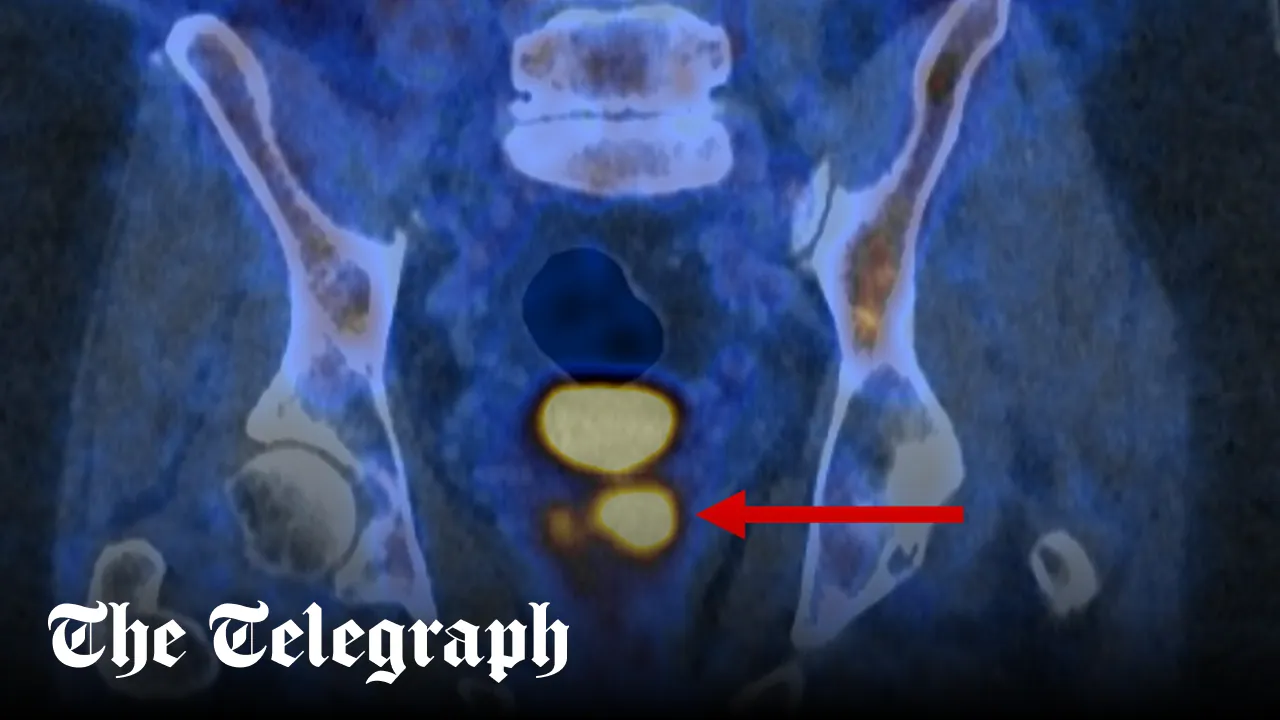
Prostate cancer is the most common cancer in men in the UK, with around 63,000 diagnoses and 12,000 deaths annually.
Unlike breast, bowel and cervical cancer, there is no national screening programme for the disease.