
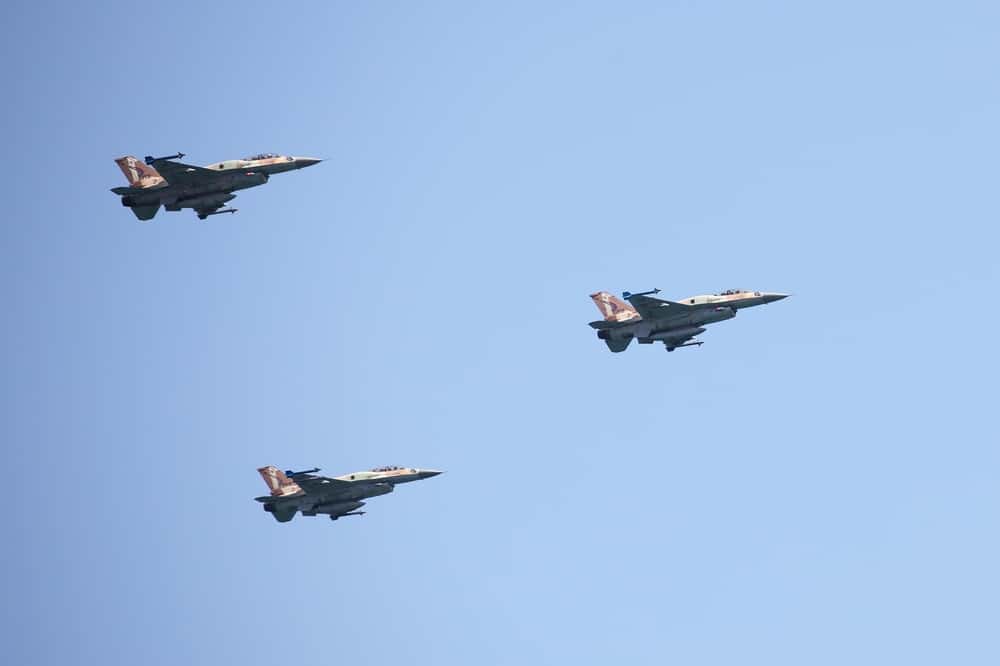
Israeli airstrikes on southern Lebanon killed at least 11 people on August 15, the deadliest day of strikes since the Israel-Hezbollah truce took effect in June. The US-Iran ceasefire approaches its August 17 expiration with negotiations at a standstill.
The Israel Defense Forces (IDF) said the strikes were a direct response to a Hezbollah attack that seriously wounded at least three IDF soldiers and confirmed the killing of two senior Hezbollah commanders. Ali Samir Al-Haj Hassan, a battalion commander in Hezbollah’s Radwan Force, the group’s elite commando unit responsible for cross-border raids, was killed in a strike on Hezbollah’s headquarters in the Ansar area. The IDF announced on August 16 that Abu Hassan Alaa, a commander in Hezbollah’s Badr Unit, a distinct Hezbollah operational formation, was killed in a follow-on strike near Deir al-Zahrani.
Lebanon’s Health Ministry and state news agency reported that the Ansar strike hit a home on the outskirts of the village, roughly 43 miles south of Beirut, killing seven people, including three children and two women, and wounding two. A second strike on Deir al-Zahrani killed four people and wounded 17.
The IDF acknowledged civilian casualties but stated the Ansar site was a Hezbollah military compound and that the civilians killed were family members of the targeted Radwan Force commander, accusing Hezbollah of deliberately sheltering them there. These claims have not been independently verified.
Hezbollah said the strikes “will be met with what they deserve.” Lebanon’s Prime Minister condemned the attacks.
The strikes come as the US-Iran ceasefire faces expiration on August 17 with Washington and Tehran at a standstill in negotiations. Hezbollah is an Iran-backed force, and the Lebanese front is directly tied to the broader Iran-Israel contest. That deadline looms as Hezbollah, which has not agreed to disarmament terms in the June framework, continues to attack IDF forces operating in southern Lebanon.
The strikes also cut short the most recent round of US-sponsored Israel-Lebanon political talks, which ended on its second day due to the flare-up in the south. A State Department official confirmed the political track “will reconvene in Rome in early September,” adding, “We feel good about the trajectory.” Lebanon has expressed frustration with the pace of Israeli withdrawals from southern Lebanon.
The June 26 framework agreement, signed in Washington with Secretary of State Marco Rubio describing the deal as “the beginning of the beginning,” ties any Israeli withdrawal to Hezbollah’s full disarmament.
Hezbollah is not a party to the agreement and has publicly rejected that condition. Technical talks in Rome concluded earlier this month had finalized operational details for the agreement’s first pilot disarmament zones, managed by the US-facilitated Military Coordination Group for Lebanon (MCG), days before the August 15 strikes disrupted the diplomatic process.
More than 4,000 people in Lebanon have been killed in Israeli strikes since March, according to the Associated Press.