
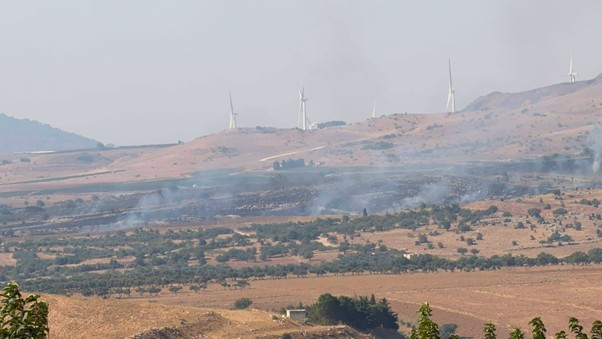
In southern Syria, control is measured in midnight knocks, bulldozed roads and laminated cards that tell farmers when they may reach their own fields. Ahmad Qweidar and Jacob Wirtschafter report from a landscape where Israel’s forward defenses have moved beyond the border and into the routines of village life.
An Israeli drone strike near Beit Jinn on August 22 injured Ammar Saeed Hamada, whom the Israeli military described as a terrorist preparing an imminent attack. A local Syrian security source disputed that account, and Israel did not publicly provide supporting evidence. The strike followed reported raids in Quneitra, where residents said soldiers searched homes, detained men, confiscated phones and damaged farmland.
Israel says such operations are intended to stop immediate threats, seize weapons and prevent hostile groups from establishing themselves near Israeli communities. Syrian residents and officials describe expanding military control: new roads and berms, destroyed routes between villages, repeated detentions and restrictions affecting farming and medical care. One Syrian monitoring organization counted 147 detentions since January 1, with 49 people still held, though The Media Line could not independently confirm those figures.
For some farmers, access now depends on temporary cards bearing the name of the United Nations Disengagement Observer Force. The documents specify where and when they may work. Clinics have also adapted, with Syrian mobile services and a Christian relief organization attempting to reach communities divided by patrols and barriers.
The ground operations continue while diplomacy inches forward. Syrian Foreign Minister Asaad al-Shaibani met a high-level Israeli delegation in Jordan under US mediation after Israel struck the Abu al-Duhur airbase. Syria wants Israeli forces to withdraw and attacks to stop; Israel demands a broad demilitarized zone and guarantees against armed groups and foreign military deployments.
The central argument is stark. Israeli security specialists warn that withdrawal could invite Hezbollah, Iranian networks or Sunni armed groups toward the border. Syrian villagers say the patrols themselves have become the most visible armed presence.
Read Qweidar and Wirtschafter’s full article for the firsthand accounts, competing security claims and granular portrait of how geopolitics reaches a farmer’s road, a family’s telephone and a village clinic.