
Your support helps us to tell the story
From reproductive rights to climate change to Big Tech, The Independent is on the ground when the story is developing. Whether it’s investigating the financials of Elon Musk’s pro-Trump PAC or producing our latest documentary, ‘The A Word’, which shines a light on the American women fighting for reproductive rights, we know how important it is to parse out the facts from the messaging.
At such a critical moment in US history, we need reporters on the ground. Your donation allows us to keep sending journalists to speak to both sides of the story.
The Independent is trusted by Americans across the entire political spectrum. And unlike many other quality news outlets, we choose not to lock Americans out of our reporting and analysis with paywalls. We believe quality journalism should be available to everyone, paid for by those who can afford it.
Your support makes all the difference.Read more
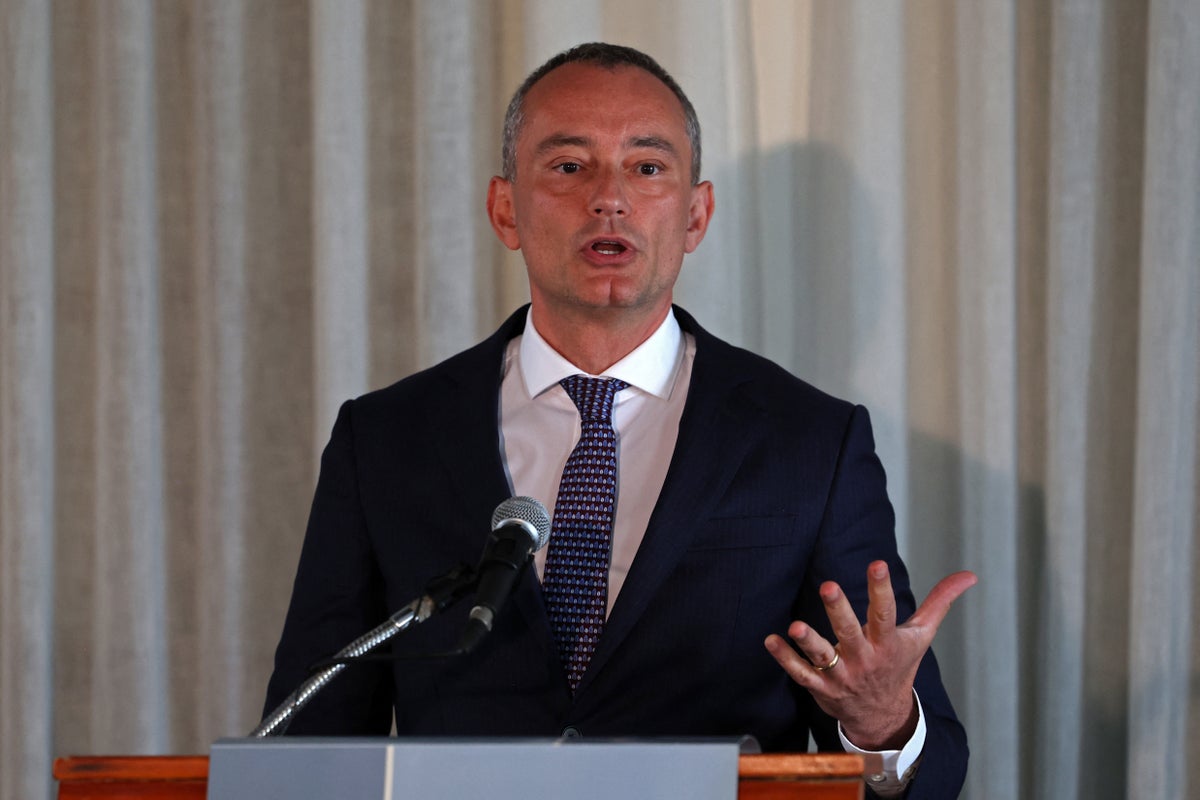
The lead envoy overseeing President Donald Trump’s Gaza ceasefire strategy voiced sharp criticism of Israel on Wednesday over its persistent bombardments of the enclave, cautioning that rejecting the U.S. proposal leaves only the prospect of renewed conflict.
Addressing the U.N. Security Council, Nickolay Mladenov, the Board of Peace high representative, rejected claims that Trump’s 20-point framework has stalled, asserting that it “has moved from the negotiating table to the engineering table.”
According to Mladenov, Hamas has accepted the core requirement to relinquish its arms and cede governance of Gaza to a civilian authority.
Nevertheless, ongoing Israeli military actions following last October’s ceasefire continue to result in Palestinian casualties, albeit at lower levels, preventing residents from sensing a genuine end to hostilities.
“After three years of war and 20 years of military operations, I ask, will another strike on a munitions depot stop Hamas from rearming or tightening its grip on Gaza?” Mladenov said. “It will not. It only delays the demilitarization that would happen” while hindering the transition toward civilian administration.
A U.S.-brokered pact to disarm Hamas was viewed as a potential turning point in a conflict triggered by the militant group’s deadly Oct. 7, 2023, incursions into southern Israel.
However, Israeli Prime Minister Benjamin Netanyahu has maintained that military forces will remain in place across Gaza until every weapon in Hamas’s arsenal is surrendered.
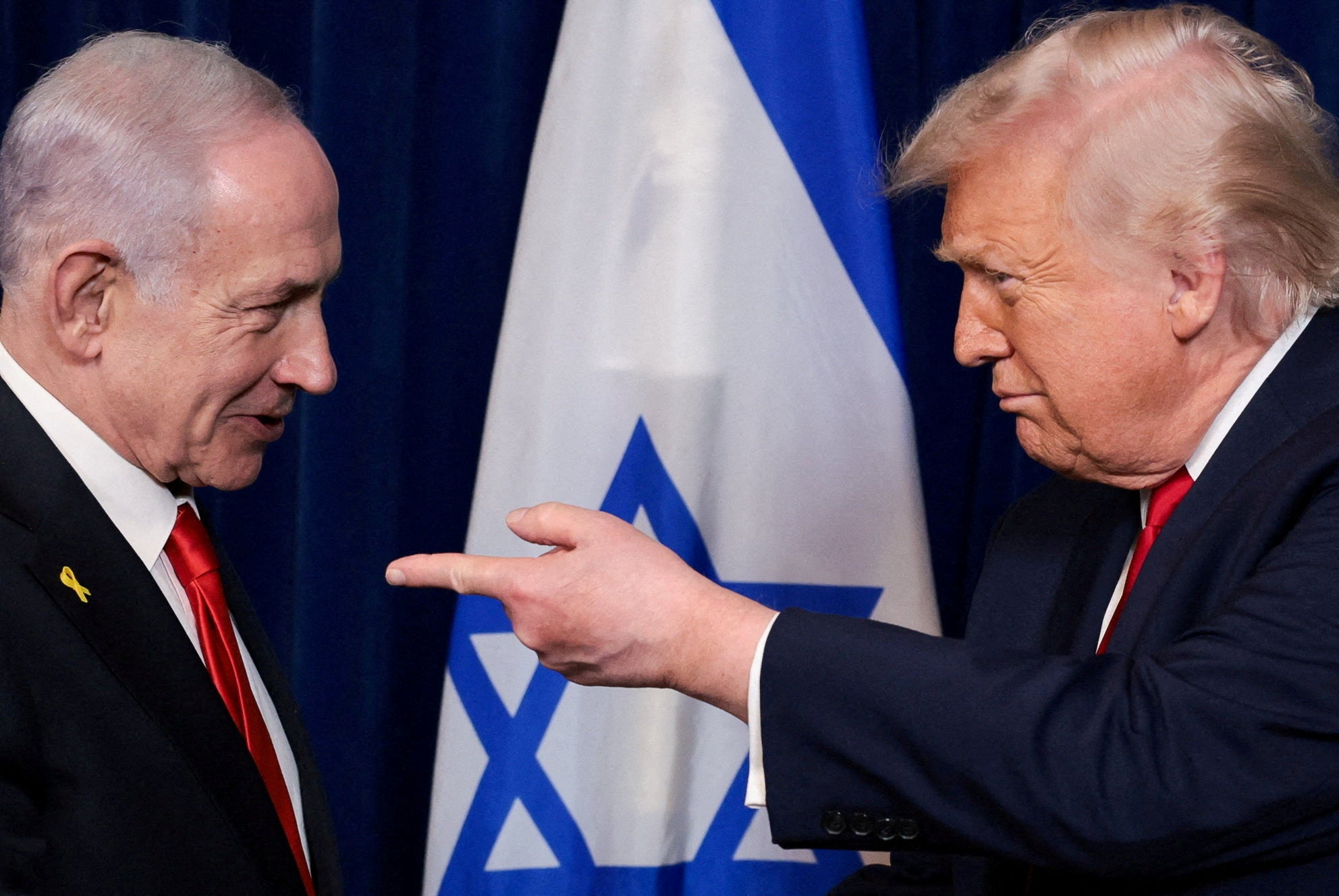 (Reuters)
Mladenov revealed that during talks held last week with Netanyahu and Jared Kushner, Trump’s adviser and son-in-law, participants “went through his government’s concerns one by one and narrowed the areas that still require technical work.”
In response, Israel’s deputy U.N. ambassador, Noa Furman, reaffirmed her nation’s dedication to Trump’s blueprint during the Security Council session, while reiterating that progress hinges on total disarmament. She added that Israel is collaborating directly with Washington on achieving that end.
Meanwhile, the U.S. ambassador to the U.N., Mike Waltz, stated that lingering reservations regarding Trump’s initiative are being resolved, noting that Hamas’s compliance with disarmament will be measured through tangible conduct.
Highlighting the disparity between diplomacy and conditions on the ground, Mladenov cautioned that a return to open warfare would destroy both the peace initiative and any remaining physical framework for reconstruction.
“That would not be a setback,” he said. “It would be a point of no return for everyone.”
Mladenov urged leaders to demonstrate the political resolve needed to bridge remaining divides, presenting a stark choice: “A Gaza disarmed, rebuilt and reconnected to the world. Or a Gaza rearmed, divided and in rubble, with a radicalized generation raised inside it and the next war already on the horizon.”
He concluded by observing that Trump’s blueprint establishes a “credible pathway to a political horizon” toward a two-state resolution, an outcome that Netanyahu firmly rejects.