
“This is a special interest that participates outside of the partisan framework, and it’s really all about advancing the interests of a foreign country,” he told AFP.
Unease over the group is no longer confined to Democrats.
Allies of Mike Rogers, the Republican Senate nominee in Michigan, recently asked AIPAC not to run advertisements publicly on his behalf, US media reported, fearing its overt involvement would benefit El-Sayed in the Arab-American heartland.
Shifting opinion
The discomfort reflects a broader transformation in US attitudes toward Israel following years of its genocide in Gaza and widening conflict across the Middle East.
A June Quinnipiac University poll found 48 percent of American voters believed Washington was too supportive of Israel, including 66 percent of Democrats — the highest overall figure in nine years of the survey.
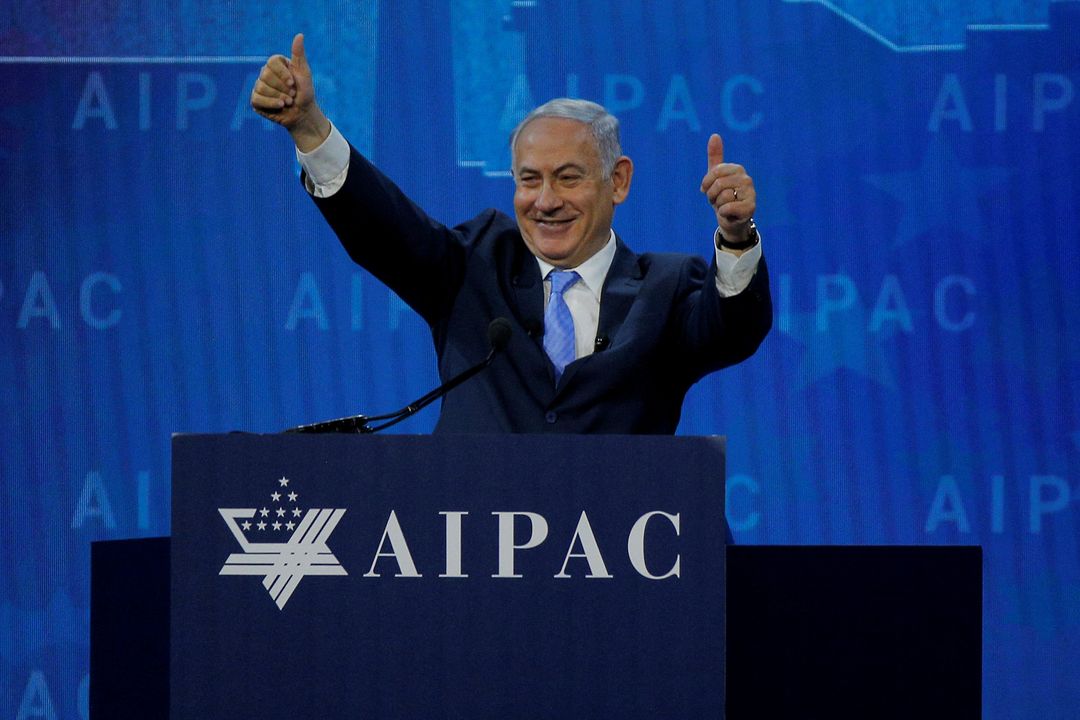
The change has been clearest on the Democratic left, where candidates increasingly portray AIPAC as too closely aligned with Israeli Prime Minister Benjamin Netanyahu and emblematic of big-money interests overwhelming ordinary voters.
But criticism has spread to the populist right, where some “America First” conservatives have attacked Washington’s support for Israel and blamed pro-Israel lobbying for drawing the United States deeper into foreign conflicts.
AIPAC’s financial strength, meanwhile, continues to grow. OpenSecrets says the organisation itself has contributed $30 million to UDP.
And its political power remains formidable, with US military support to Israel continuing to attract broad support in Congress.
But the primaries have demonstrated that record spending cannot guarantee victory — and a once-prized endorsement can now, in some races, be something candidates would rather their opponents talked less about.
“That’s precisely why they never mention US foreign policy and Israel in their ads,” Casey Kennedy, co-founder of the Track AIPAC advocacy platform, told AFP.
“AIPAC knows AIPAC is toxic, and the more they spend, the more toxic they become with voters across the political spectrum.”