
Six months after the United States and Israel launched the war with Iran, the conflict is still straining American wallets.
President Donald Trump said he is in no hurry to reach a new agreement with Iran, even as some Americans grow weary of the war’s impact on everyday life.
“The war was supposed to be over within a month,” said Bryan Moss, a minister who was shopping a North Carolina farmers market.
A few days into the war, Trump projected it would last four to five weeks. Now, six months in, the administration is switching tactics from a military campaign to new economic sanctions on Tehran.
“Right now we’re focused on Operation Economic Outcast, which (Treasury) Secretary (Scott) Bessent announced this week — crippling sanctions on the Iranian regime and their economy,” former White House press secretary Karoline Leavitt said Thursday on Fox News.
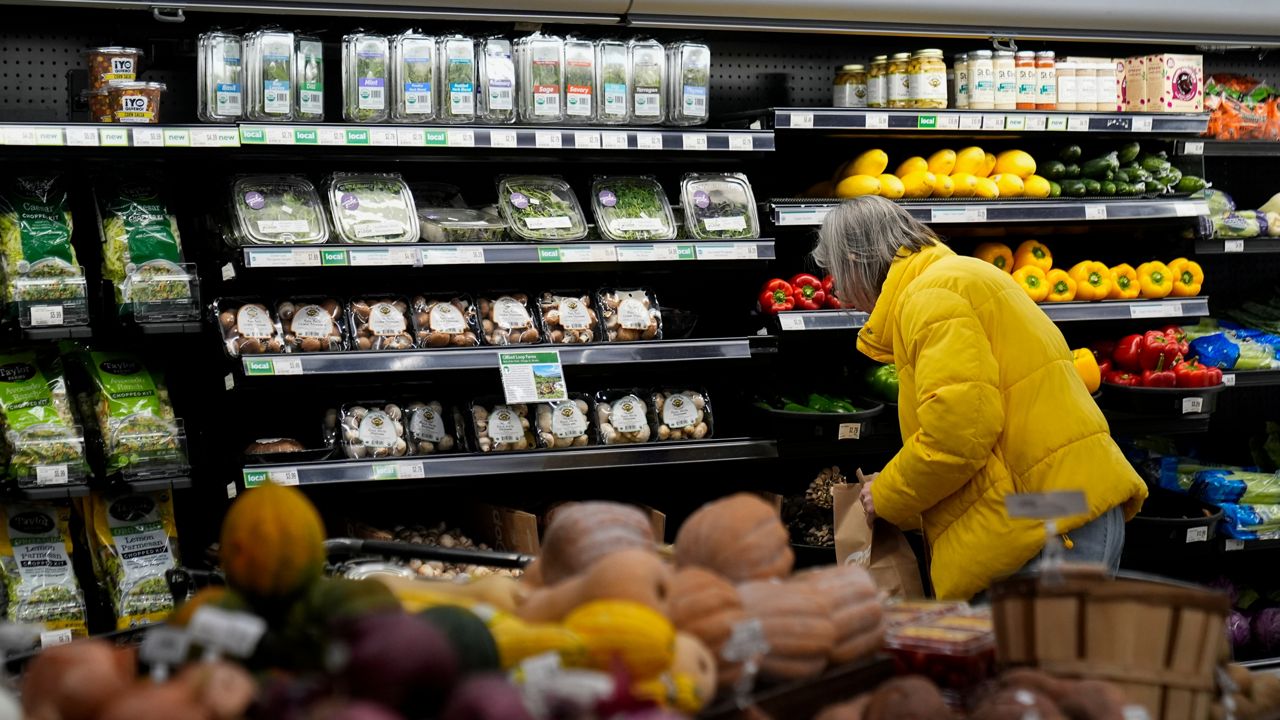
At the farmers market, some customers said they are worried about the war’s ongoing impact on gas prices. Vendor Shelly Johnson said she has raised prices on many of her items to cover higher fuel costs.
Throughout the conflict, uncertainty over the situation at the Strait of Hormuz has affected the price of oil.
“The Strait of Hormuz is open,” Trump said Thursday. “We have control, and we have the blockade.”
Iran and Oman have been holding their own discussions on how to boost traffic through the strait, but new video shows activity there remains at a near standstill. Gas prices have fluctuated wildly over the course of the war, but the national average has not fallen below $4 a gallon all month.
“It’s killing us,” said Ronald Anthony Bobeck, a Vietnam veteran. “Even though I get a pension from the VA and I get Social Security, we’re having to pinch pennies all the time.”
Trump has asked Americans to be patient, insisting gas prices will go back down once the war ends. He has said the U.S. cannot afford to let Iran have a nuclear weapon.
Brown University, which has been tracking the added cost rising energy prices have had on American families since the war began, says each U.S. household has spent an extra $709 to keep up with fuel costs.
The Associated Press contributed to this report.