
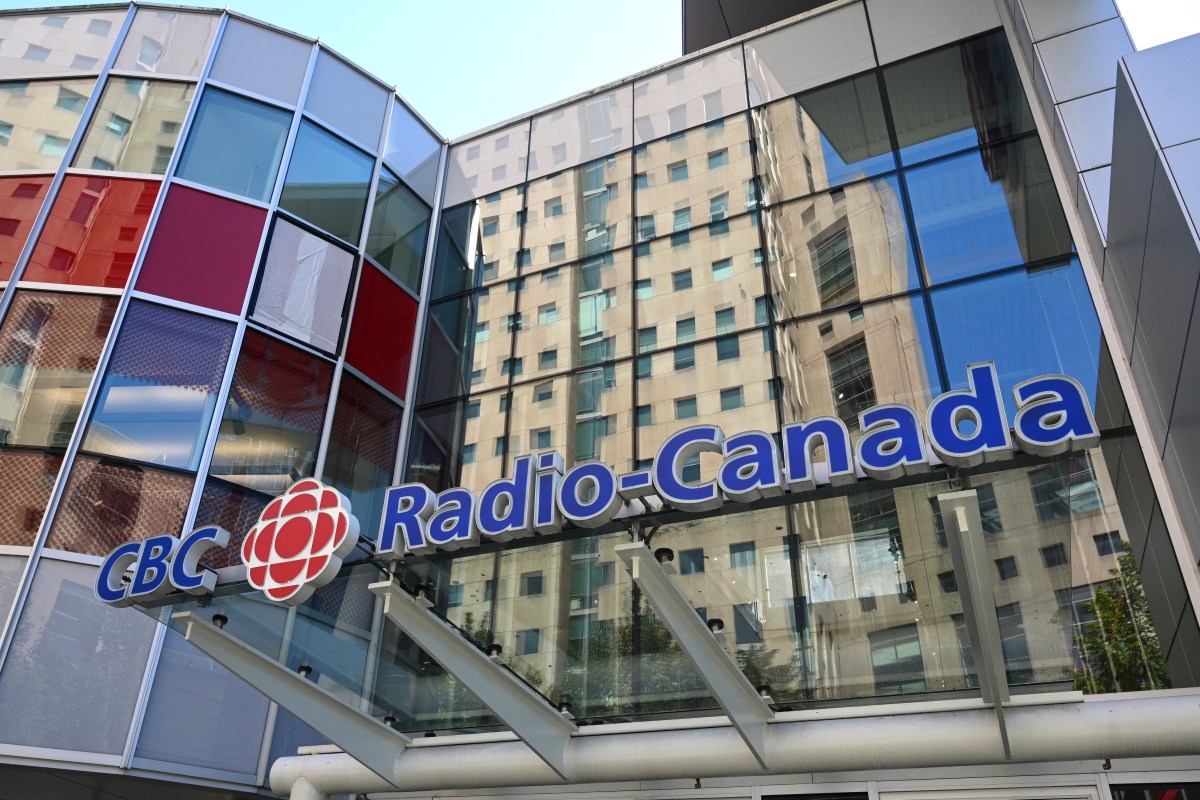
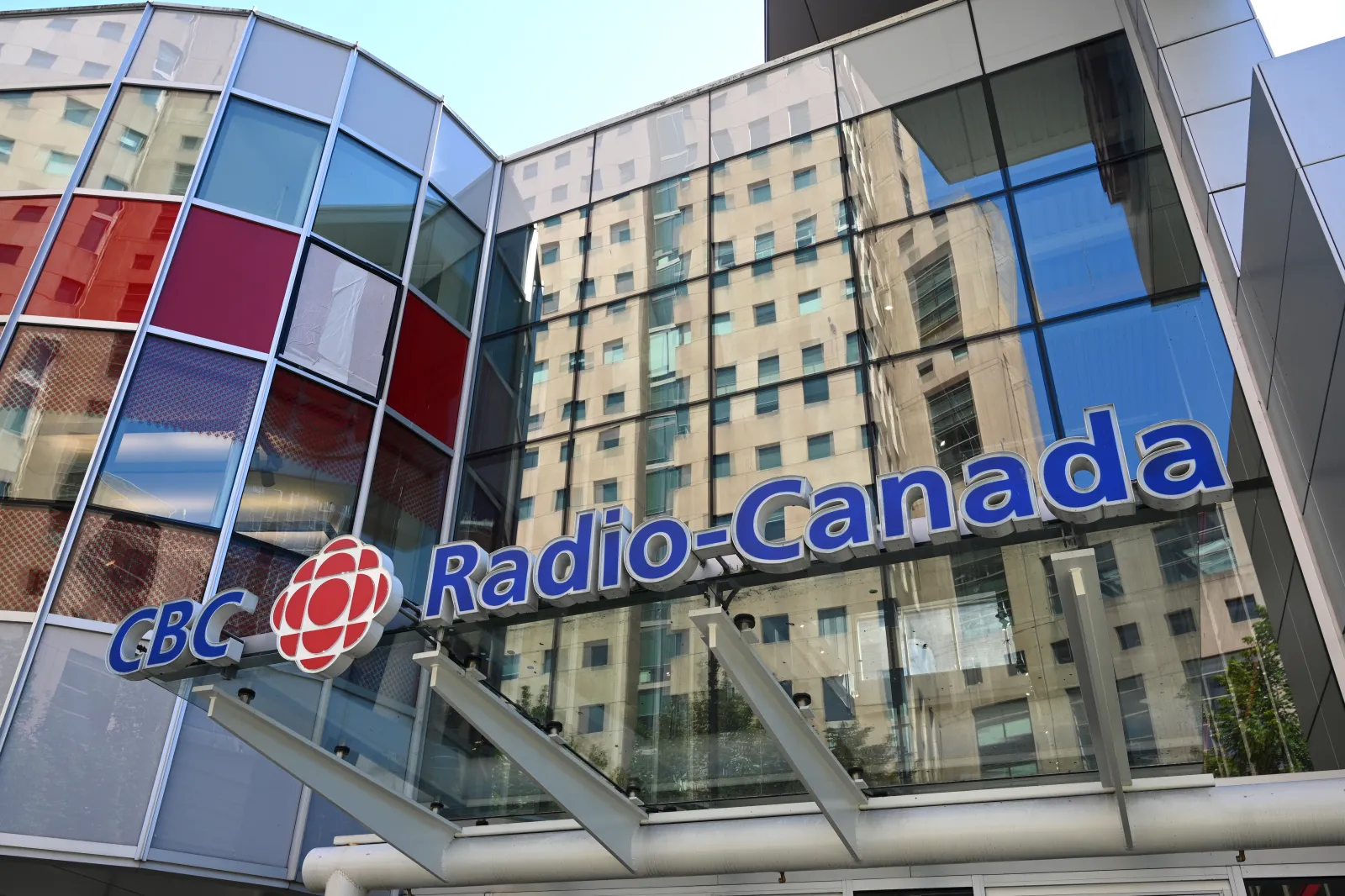
The Canadian Broadcasting Corporation announced it will begin referring to the September 11, 2001, attack on the United States as terrorism after a leaked internal memo sparked a warning from FBI Director Kash Patel and Republican fury.
The shift comes as tensions remain high between the United States and Canada amid an escalating trade war and after President Donald Trump renamed Lake Ontario to Lake America. However, the reminder about the CBC’s editorial guidance is unrelated to the growing tensions between the two longtime allies and was instead a reminder of a longstanding policy held by the news organization.
Basem Boshra, senior director of journalistic standards and public trust at the CBC, announced the change in a blog post Friday afternoon.
Read More on Politics
“Clarity and understanding are at the heart of our journalism. The leaked excerpt without context or explanation has raised more questions for the public that we must now answer,” he wrote. “After reviewing our current language guidance, we have decided to adjust it to clarify that direct attribution is not required for describing the historic events of 9/11 as terrorism.”
The guidance has “unfortunately (and unintentionally) become an impediment to clarity and public understanding,” he wrote.
He also defended the outlet’s coverage of 9/11, saying that it has provided an “unflinching account of the devastating attacks by al-Qaeda, the hunt and prosecution of those responsible, the thousands of lives that were lost on that day and the incalculable loss and grief experienced by so many others as a result.”
“And we intend to mark the forthcoming 25th anniversary of 9/11 with extensive, special coverage that will continue to respectfully and thoughtfully reflect on the monumental nature of this tragedy,” he wrote.
Earlier on Friday, CBC spokesperson Kerry Kelly told Newsweek it was the news organization’s practice “to exercise extreme caution before using the words terrorist and terrorism.”
“The memo was a reminder of the longstanding practice that favours the use of these terms with attribution in our reporting, a practice shared by many of the world’s top journalistic organizations,” Kelly said.
The criticism comes just weeks ahead of the 25th anniversary of the September 11 attacks on the World Trade Center, which killed nearly 3,000 people.
CBC Terrorism Memo Draws Scrutiny
The memo was first reported by Warren Kinsella, a columnist for The Toronto Sun. It reminded journalists with the CBC, “Do not refer to the Sept. 11 attacks as terrorist attacks.” He posted a screenshot of the memo to X, where it quickly garnered attention and criticism from American conservatives.
Patel criticized the policy in a post to X.
“Any agency in Canada that doesn’t publicly reject this bastardization of history, and an insult to the souls lost during our largest terrorist attack in US history will no longer have friend in this FBI… Not to mention our heroes that responded in the aftermath,” he wrote.
The CBC is Canada’s national broadcaster and receives taxpayer funding, though it sets its own editorial policies separate from the Canadian government. Government agencies in Canada have referred to the attacks as terrorist acts or terrorism.
The House GOP, in a post on Instagram, accused the CBC of “trying to rewrite history,” saying there is “nothing controversial, complicated, or unclear about this.”
Representative Lisa McClain, a Michigan Republican, wrote in a post to X, “WOW: The Canadian Broadcast Center told staff NOT to call 9/11 a terrorist attack. 9/11 is one of the DARKEST DAYS in our history — nearly 3,000 Americans were murdered by terrorists. Say the word: TERRORISM.”
Senator Mike Lee, a Utah Republican, shared an article about the policy, adding, “Maybe we shouldn’t call Canada a ‘friendly country.’”
Pierre Poilievre, leader of Canada’s Conservative Party, also condemned the policy in a post on X.
“To call 9/11 anything other than a terrorist attack is an appalling distortion of history. It dishonours the victims and their families, the survivors, and the first responders who suffered from the horrors of that day,” he wrote.
CBC Explains Policy on Terrorism
CBC’s focus is to “report the facts of such atrocities with accuracy, clarity and detail; to convey the scale and scope of violent acts wherever they occur; to quote the people affected, and to convey the views of officials and experts on these events,” Kelly said.
“We bear witness. But CBC News does not itself designate specific groups as terrorists, or specific acts as terrorism, regardless of the region or the events, because these words are so loaded with meaning, politics and emotion that they can end up being impediments to our journalism,” she said.
CBC General Manager and Editor-in-Chief Brodie Fenlon explained how the organization approaches the phrase “terrorist” in a blog post published in 2023, after Hamas’ attack against Israel.
Fenlon wrote that the term is not banned at the CBC but must be used with attribution.
“Our journalists cite it and quote it often, with attribution. That means they also tell the audience who has used it and in what context,” Fenlon said.
CBC “does not itself designate specific groups as terrorists, or specific acts as terrorism, regardless of the region or the events, because these words are so loaded with meaning, politics and emotion that they can end up being impediments to our journalism,” he wrote at the time, noting that it has been their “policy for decades.”
Other style guides similarly use caution when it comes to terrorism.
“AP generally avoids labeling someone a ‘terrorist’ on its own, preferring to cite competent law enforcement officials or other credible authorities. Instead, we describe the specific actions we are reporting on and what we know about the perpetrators’ motives,” the Associated Stylebook wrote in a January 2021 post to X.
Many news outlets, however, have referred to the September 11 attacks as an act of terrorism. While the AP urges caution, it has referred to “terror attacks” in its coverage.
U.S.-Canada Relations on the Rocks
Canada and the United States are longtime allies that share a large border and have historically shared interests. Under past presidential administrations, the relationship between the two nations has been warm and cordial. However, that relationship has taken a turn under Trump’s second term in office.
The Trump administration recently announced 50 percent tariffs on $20 billion worth of Canadian goods, and Canada responded with retaliatory tariffs on American goods including steel, dairy products, appliances and farm equipment. The trade war has exacerbated tensions between the two nations, which have historically shared close economic ties.
Trump has frequently taunted Canada, repeatedly suggesting it should become the 51st state and changing the name of Lake Ontario to Lake America.
Canadian Prime Minister Mark Carney has likened the tensions to a “war.”
“You’re at war when you’re attacked, and we got attacked,” he told reporters earlier in August.
Contact Newsweek editors on this story: Jason Lemon and Gray R. Thomas