
 (AP)
(AP)
Oil prices climbed to a six-week high Monday, with Brent crude approaching $100 a barrel as renewed fighting between the United States and Iran and a reported attack on Saudi Aramco facilities intensified fears of further disruptions to global energy supplies.
Brent crude futures rose 1.3% to $97.52 a barrel after briefly reaching $97.93, its highest level since July 23, according to CNBC.
U.S. West Texas Intermediate crude also gained 1.3% to $92.68 a barrel after briefly topping $93, CNBC reported.
The latest rally followed a weekend escalation in which the U.S. military struck three Iranian oil tankers after Iran launched ballistic missiles at two U.S. Navy warships, according to U.S. Central Command.
Iran condemned the attacks on commercial vessels as a “war crime” and an act of “economic warfare,” CNBC reported.
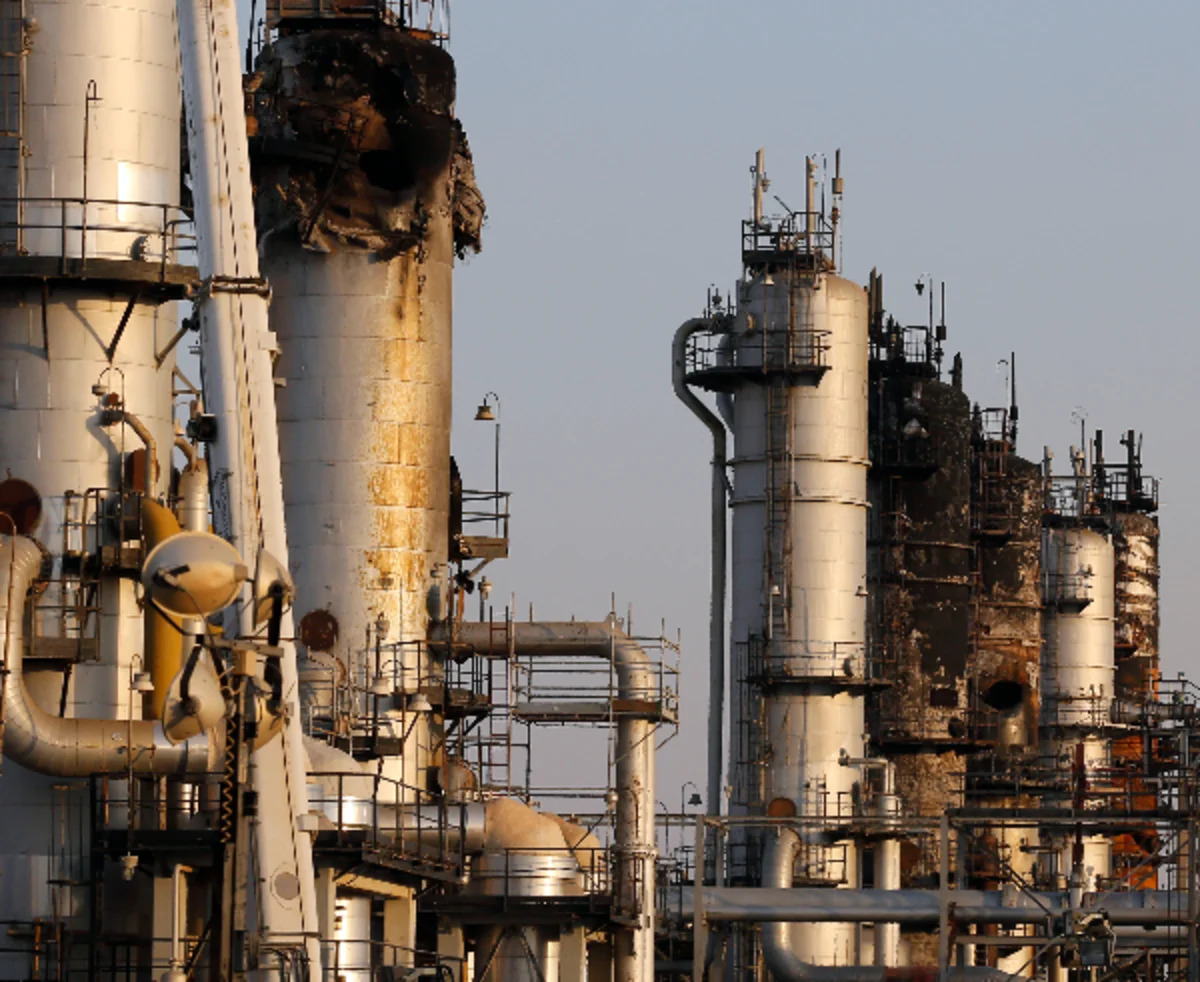
The market was further unsettled Monday by reports that Saudi Aramco oil facilities in Jizan, Saudi Arabia, had been hit in a fresh attack.
The Financial Times reported that damage to the facility was still being assessed and that it was not immediately clear who was responsible.
The Jizan complex includes a refinery capable of processing 400,000 barrels of crude a day, according to the Financial Times.
The latest attack comes as oil markets are already dealing with sharply reduced flows through the Strait of Hormuz, a crucial route for global energy shipments.
The Financial Times reported that Brent moved above $98 during Monday’s trading and warned that an extended disruption could create a renewed global supply crunch.
The newspaper reported that oil inventories outside China have fallen by more than 400 million barrels since the conflict began, while seaborne oil volumes have dropped to multi-year lows.
Analysts cited by the Financial Times also warned that oil could climb as high as $120 a barrel if attacks on shipping routes intensify.
The market has already experienced a dramatic reversal during the conflict.
Brent reached $126 a barrel in late April before falling to just above $70 in early July after a ceasefire between Washington and Tehran raised hopes that the fighting would end, according to the Financial Times.
Now, traders are again focusing on whether the latest military exchanges remain limited or develop into a broader threat to production, transportation and refining capacity across the Middle East.
The Financial Times reported that refineries in the Gulf and Russia have also suffered disruptions, putting additional pressure on refined-product markets.
Diesel prices have risen even more sharply than crude, with the Financial Times reporting that diesel was trading at record levels above the price of crude oil.
For U.S. consumers, the oil rally comes as gasoline and diesel prices are already at elevated levels. CNBC reported that the conflict-driven increase in crude has contributed to record gasoline and diesel prices for the Labor Day weekend.
The immediate question for oil traders is whether the latest strikes translate into sustained losses of physical supply.
Arne Lohmann Rasmussen, chief analyst at Global Risk Management, told the Financial Times that the Saudi attack represented a “significant escalation” and said markets would be watching for disruptions to oil-shuttling operations that have helped keep supplies moving during the conflict.
© 2026 Newsmax. All rights reserved.