
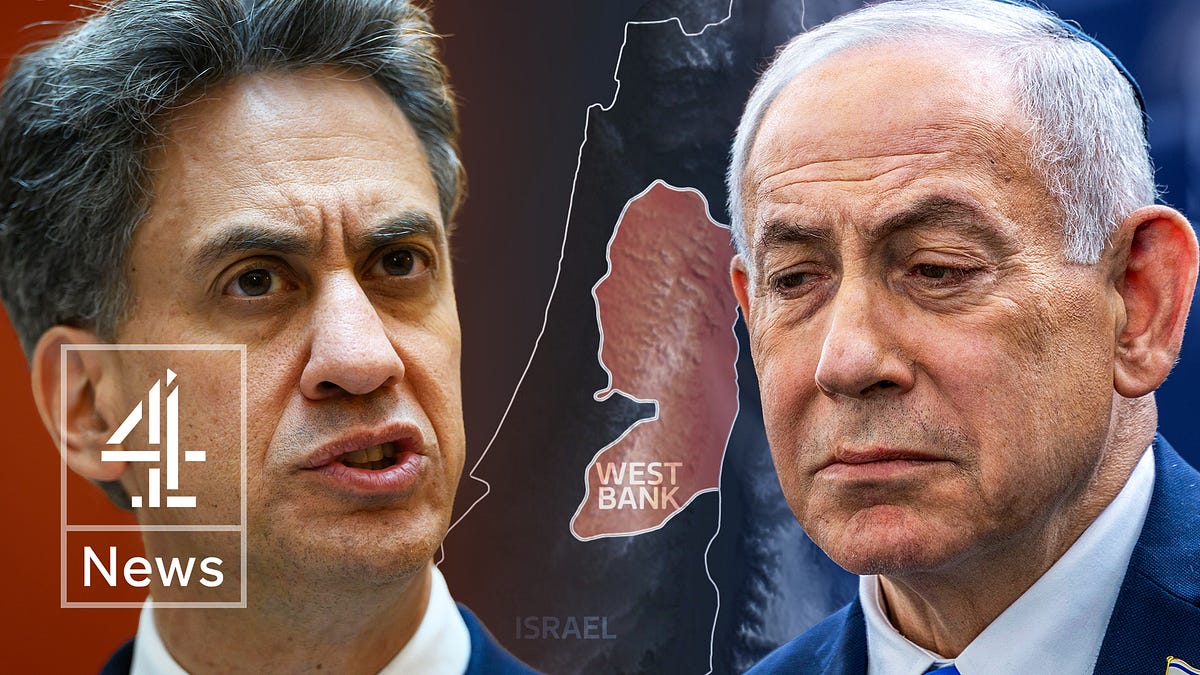
At Prime Minister’s Questions today, Andy Burnham defended his government’s move to impose sanctions on goods from illegal Israeli settlements in the Occupied West Bank, and people and institutions that facilitate them.
And like the Foreign Secretary, Ed Miliband, who announced the measures yesterday, he described them as a bid to save the two-state solution.
“There have been Conservative politicians at this despatch box,” he said, “Labour politicians too, for decades, who’ve talked about the importance of the two-state solution between Israel and Palestine.
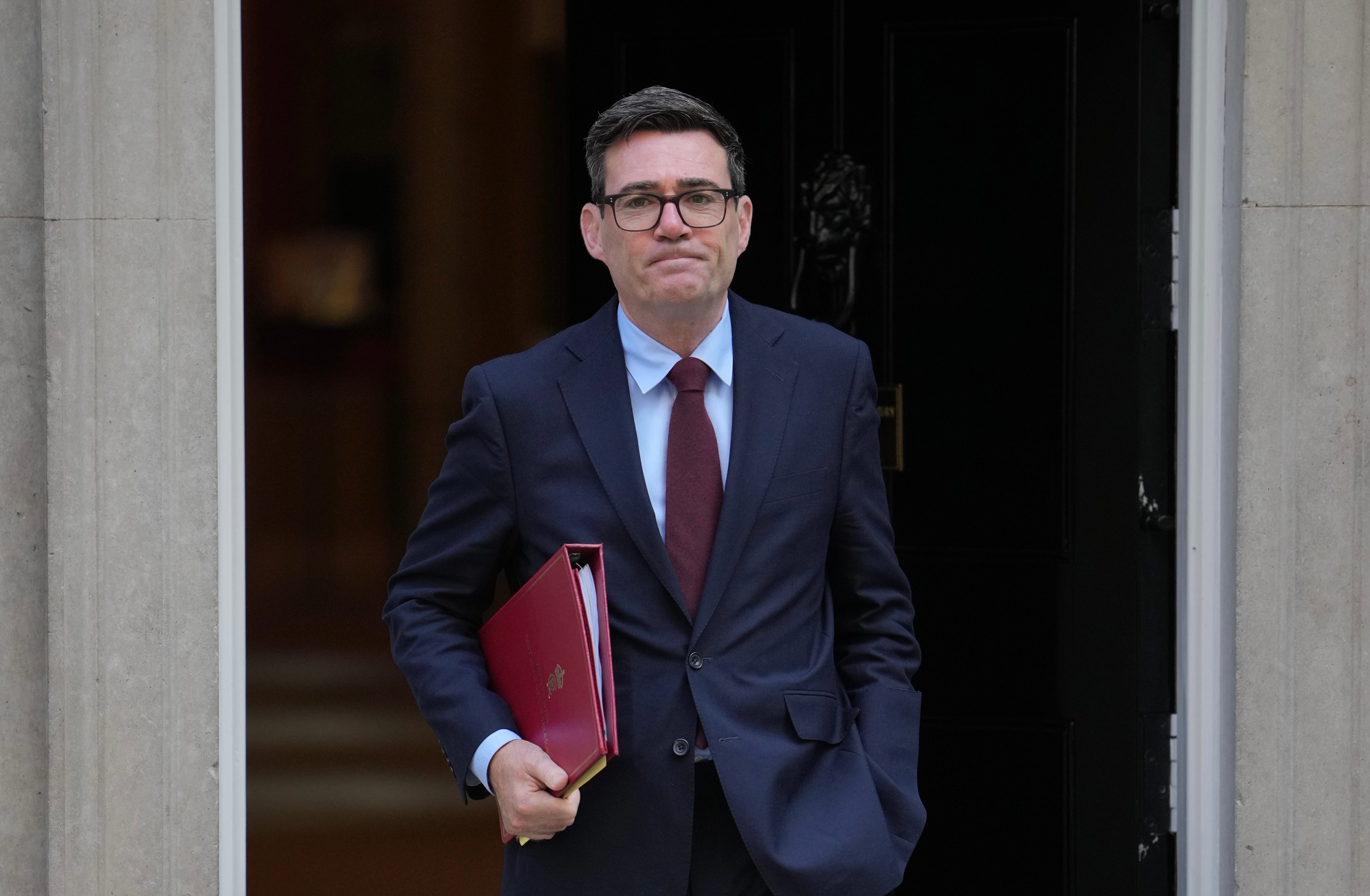
“Words from any politician about a two-state solution will be only words if it’s not backed with action.”
An Israeli state alongside a Palestinian state, with mutual security, was the objective set out in the Oslo process in 1993. It remains the official stance of most of the international community.
You’re reading the latest edition of FourGround, a bespoke newsletter brought to you by Channel 4 News’ experienced journalists reporting on the ground from locations across the world.

But for a long time, the conventional wisdom, especially inside Israel and Palestine, has become that the opportunity for a two-state solution has come and gone.
Over the course of five years in Jerusalem, I heard it from right-wing and left-wing Israelis, from Palestinians in Gaza and the West Bank, from NGO staff and diplomats, in tones ranging from the triumphal to the resigned.
There were plenty of reasons to believe it then. More so now, since the horrors of the Hamas attacks of 7 October 2023, and the tens of thousands of Palestinians killed in Israel’s continuing assault on Gaza.
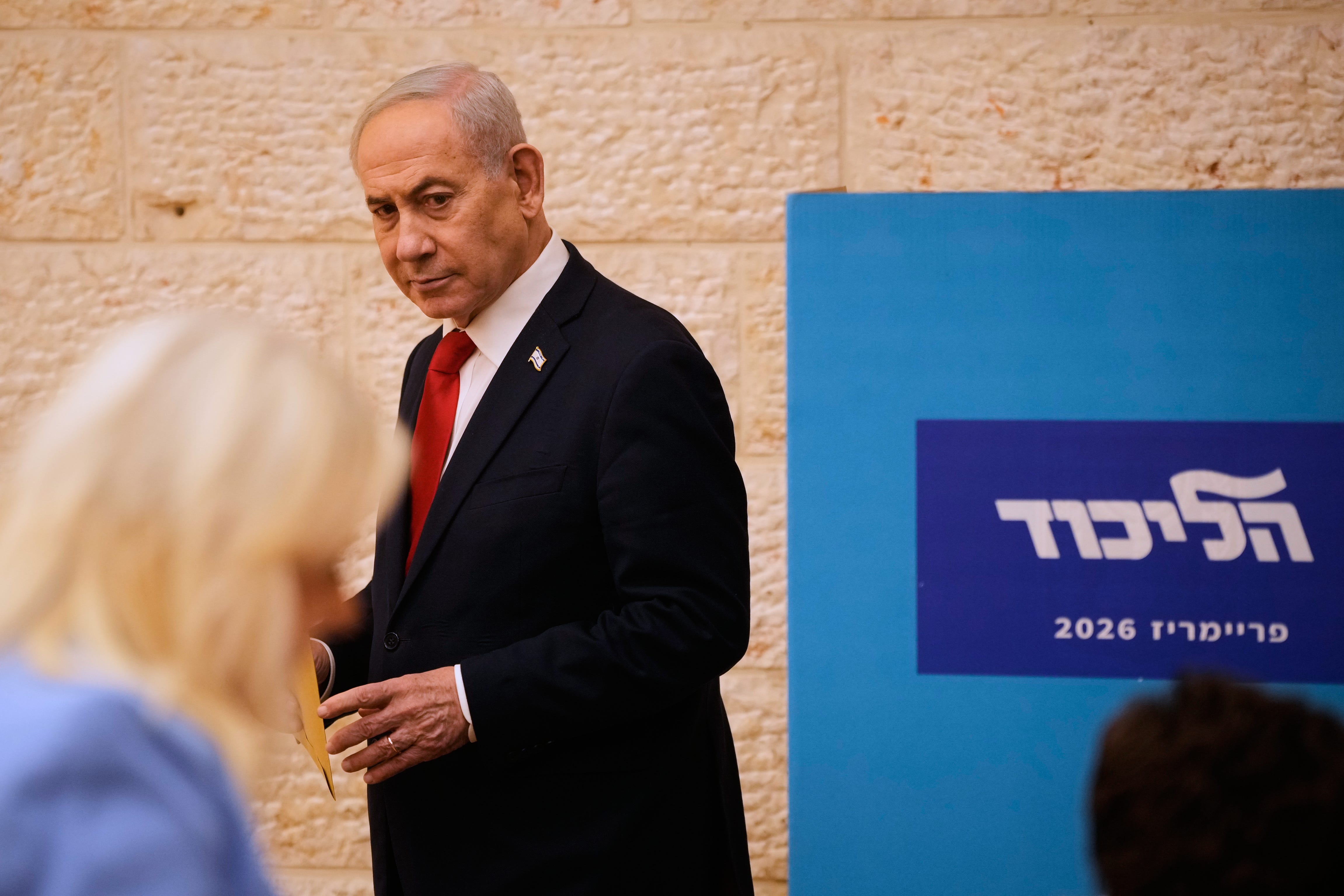
And especially since Israel’s Prime Minister Benjamin Netanyahu’s further hardening of his stance against a Palestinian state.
Take his response from September last year, when the UK, France, and Canada, among others recognised the State of Palestine:
“I have a clear message to those leaders who are recognising a Palestinian state after the horrendous October 7 massacre: You are rewarding terror with an enormous prize.
 Israel-Palestine: Is the two-state solution dead?
“And I have another message for you: It’s not going to happen. There will be no Palestinian state to the west of the Jordan River.”
Israel is, of course, in the midst of an election campaign. Polls show Netanyahu’s coalition deadlocked with the main opposition bloc. But even if next month’s vote were to usher Israel’s longest-serving premier out of office, his likely replacement has also spoken against Palestinian statehood.
Gadi Eisenkot, a former military chief of staff, used to advocate for a two-state solution, even if on terms unlikely to be acceptable to the Palestinian side. But since 7 October 2023, he says the concept is “no longer relevant”, that Israel should not “talk about a state and a prize after this murderous event”.
It accords with polls in Israel showing support for two states in the low-to-mid 20s. If there is a glimmer of optimism for two-state advocates to seize on it may be on the other side of the divide.
A poll published today by the Jerusalem Media and Communications Centre and Friedrich Ebert Stiftung suggests 47.9 per cent of Palestinians in Gaza, the West Bank and East Jerusalem support a two-state solution over other options for ending the conflict. That’s up from 27.3 per cent in September 2023. And how to get there? 55.8 per cent, it suggested, favoured peaceful negotiations.

But the grim reality in Gaza and the West Bank that may in part have prompted this shift (support for Hamas dropping to 7.6 per cent, incidentally) also stands in the way of its success.
Israel’s settlement programme is in the hands of one of the most fervent religious ideologues in its government.
The Finance Minister Bezalel Smotrich, pictured below on the left, ensured on taking office that he would have control of a policy that had previously been the purview of the defence ministry. He believes the land is divinely ordained for the Jews. And he seeks full annexation of the West Bank.
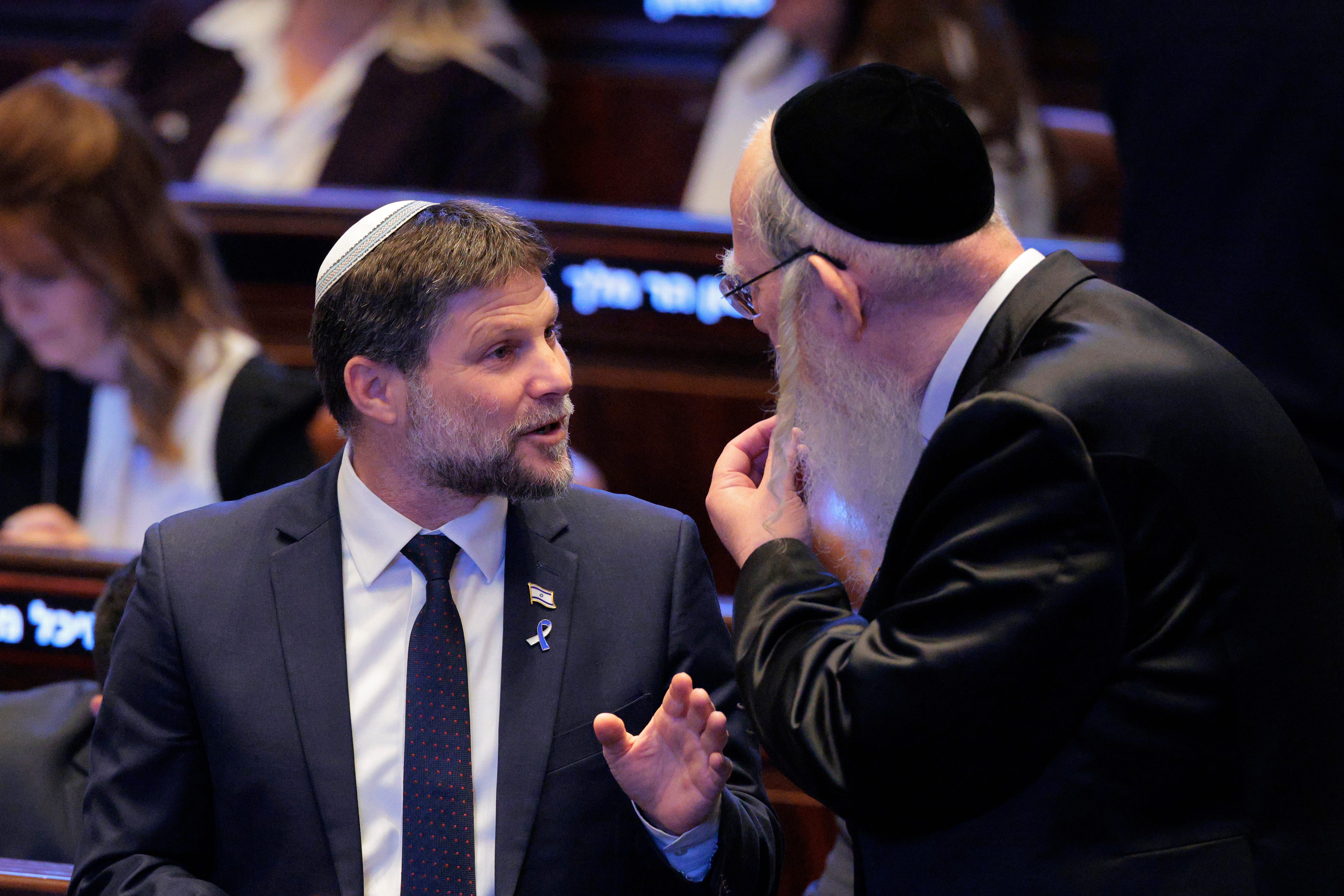
Netanyahu needs him, and other extremists, such as his Security Minister Itamar Ben Gvir to win enough seats to maintain his coalition. He’s even welcoming into the fold Moshe Feiglin, a politician who last year declared “every child, every baby in Gaza” to be an enemy, and that none should be left.
 Analysing US-Israel alliance as Trump’s Gaza peace plan rejected
Settlement expansion has accelerated in an unprecedented way: more than 100 new settlements approved since this government took office in December 2022; some 250 irregular outposts, designed to intimidate and harass Palestinians springing up at the same time, according to the rights group Peace Now.
Added to that, an intensifying campaign of settler violence, that Ed Miliband called terrorism, averaging 190 attacks a day in the West Bank.
And then there is the event that seems to have sparked the UK action: the opening of tenders to build more than 1,200 homes in the E1 settlement bloc east of Jerusalem. For decades it had been taboo, because of its location, cutting the West Bank, and any future Palestinian state in two.
None of that speaks to any arresting of the momentum away from the two-state solution. But an often-voiced alternative – one, democratic state with equal rights for Jews and Palestinians – seems even less realistic. The Jewish State’s Jewishness is, for Zionist Israelis, its entire point and not something that could ever be negotiated away.
Given, then, that the other remaining option is the continuation of the ever-worsening status quo, the UK government and its allies have little alternative but to advocate for a two-state solution – advocacy now buttressed by sanctions.
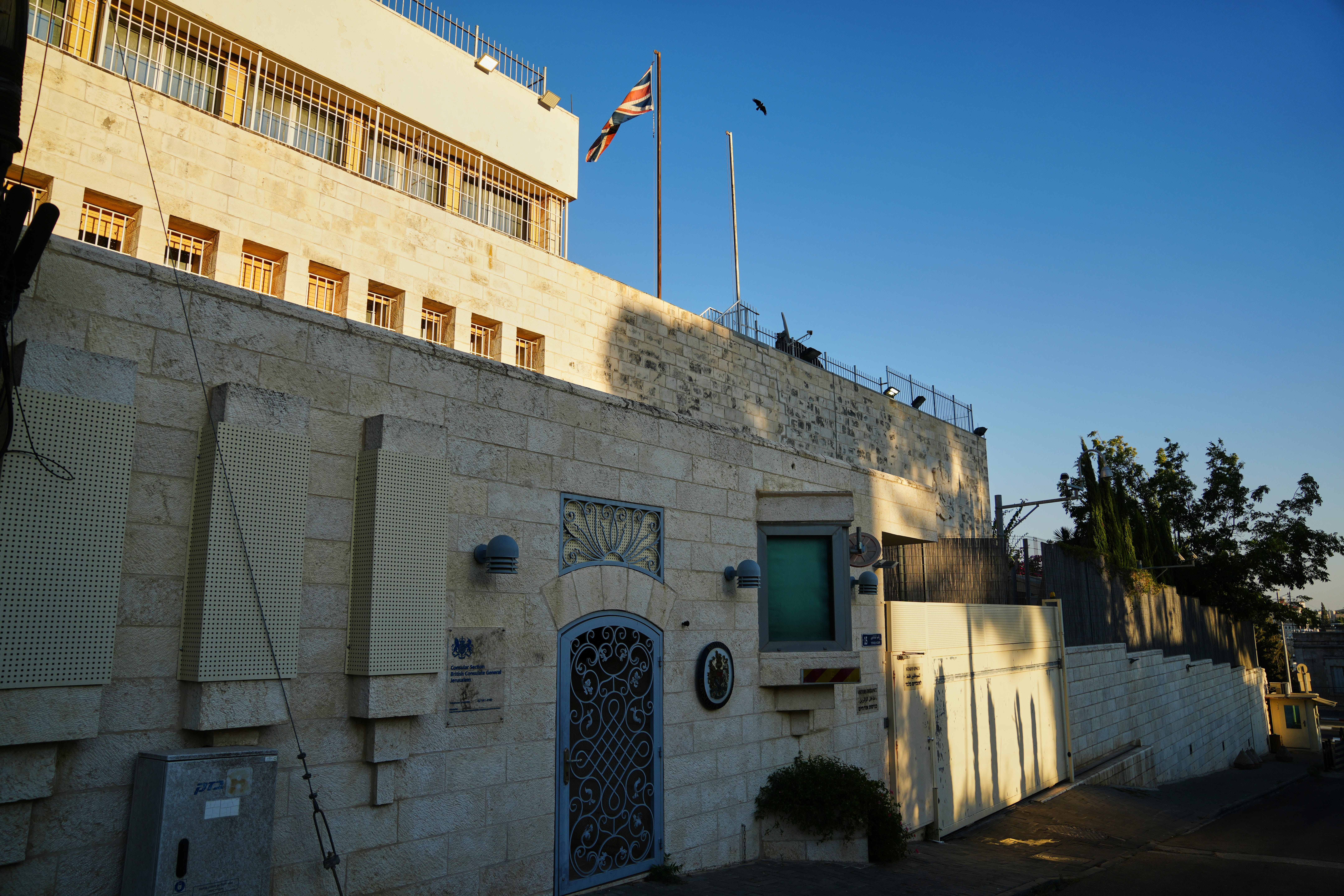
The UK Consulate in East Jerusalem, pictured above, once described its mission as advancing a just peace between a stable, democratic Palestinian State, and Israel. That policy remains in place, even if Israel announced yesterday that the Consulate had 30 days in which to close down.