
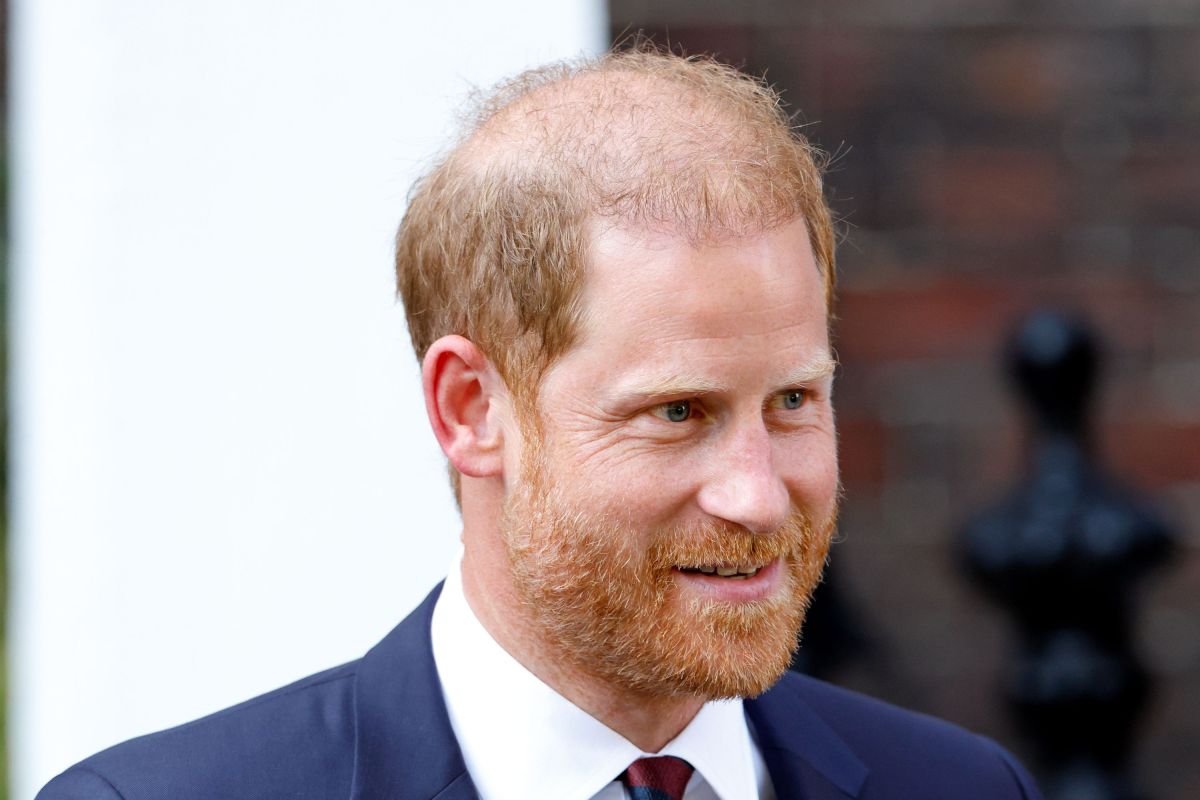
Prince Harry‘s Invictus Games for wounded veterans has suffered a blow after Uganda’s military commander said in a social media post that the country has withdrawn from the tournament to show support for King Charles III and the monarchy.
General Muhoozi Kainerugaba, the Ugandan chief of Defence Forces known for his controversial remarks on social media, made the announcement on Wednesday.
Kainerugaba, who is the son of Ugandan President Yoweri Museveni, posted on X: “In order not to be construed as being opposed to His Majesty King Charles III of the United Kingdom, whom we deeply revere, Uganda hereby withdraws from the invictus games.”
Read More on Analysis
Kainerugaba previously quit X, and when he returned to the platform in January 2025, he said he intended to “shake up this world!”
Newsweek reached out to representatives for Harry and the Ugandan government’s media team for comment.
To sign up to Newsweek’s The Royal Report newsletter, click here.
 Why It Matters
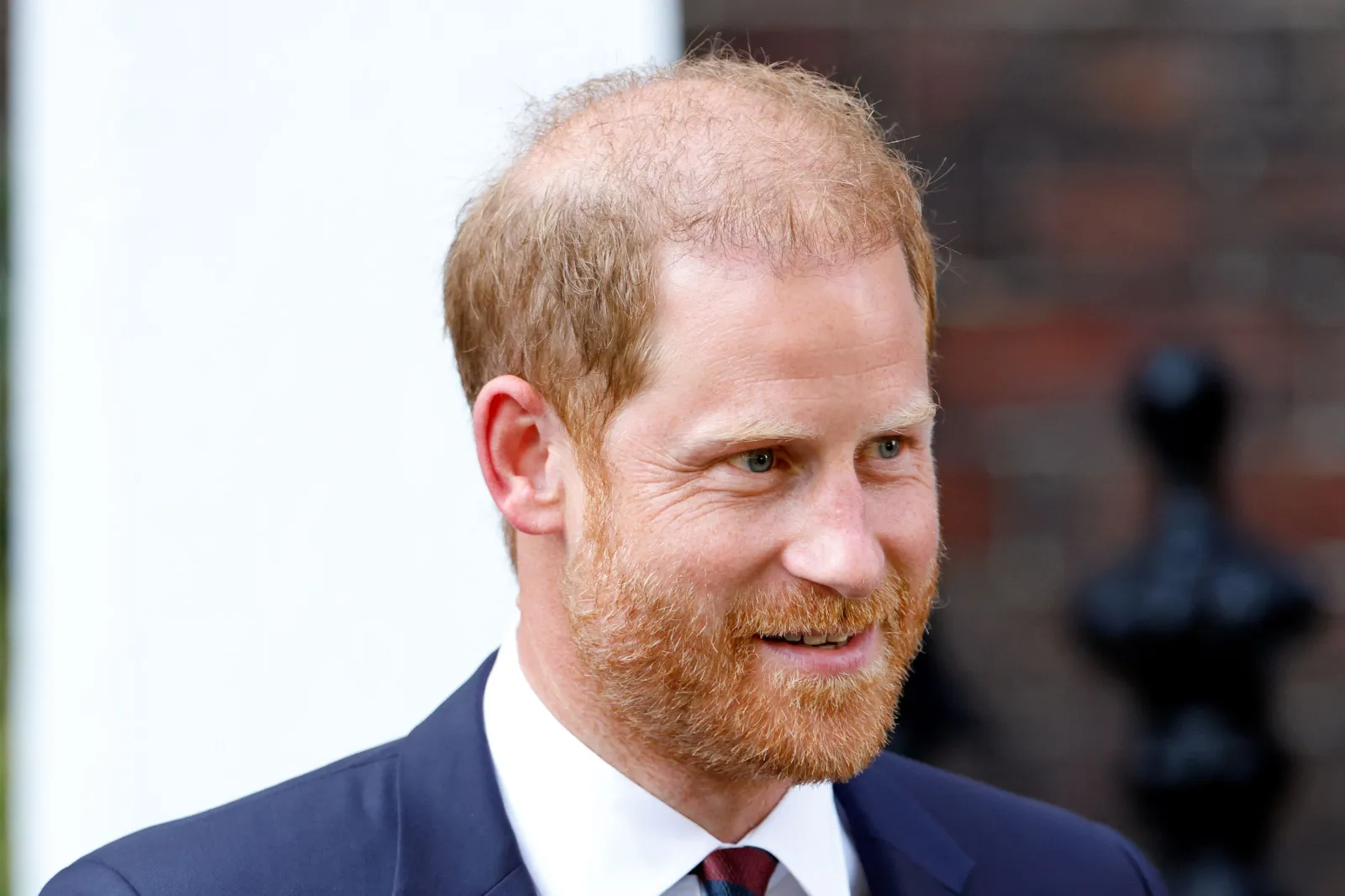
Invictus is Prince Harry’s flagship project and has earned respect from governments and militaries worldwide. Britain will host the games in 2027.
The Ugandan military chief’s comments threaten to tie the event to the wider controversy around Harry and Meghan Markle and their criticisms of the monarchy.
Uganda and the Invictus Games
Kainerugaba wrote: “We shall not participate in anything that does not have His Majesty’s approval.”
There is nothing to suggest King Charles disapproves of Invictus. In fact, he attended the opening ceremony of its first-ever tournament on September 11, 2014.
The king has not yet officially endorsed the 2027 games, which were due to be Uganda’s first, though British media has already debated whether he should attend.
Kainerugaba met the chief executive of Invictus in the United Kingdom before announcing Uganda had joined the games, a move publicized at a separate event at Chatham House in London, where Prince Harry was present.
A press release from the Ugandan military at the time read: “Gen. Kainerugaba also conveyed his gratitude to Prince Harry, The Duke of Sussex, the founder and Patron of the Invictus Games Foundation, for his vision in establishing a movement that continues to transform the lives of service personnel worldwide.”
Kainerugaba was asked about his post on X by The Times and said: “I have factions in the Ministry of Defence that support that Harry-Meghan nonsense. I had to quash it straight away. I support the monarch. Period.”
The Invictus Games in Birmingham
The blow comes during the countdown to the Invictus Games 2027 in Birmingham, the U.K.’s second-largest city and one with strong links to the military after its Queen Elizabeth Hospital treated British soldiers injured in Afghanistan.
The event is the biggest item publicly known so far on Harry’s schedule during his first year back in Britain and could provide a useful stage for him to rebuild his relationship with the country of his birth.
Kainerugaba’s comments, if not retracted, mark an awkward bump in the road. So far, Harry has largely succeeded in preventing the controversy surrounding his past criticisms of the Monarchy from affecting the games.
If other countries took a similar approach to Kainerugaba’s, that could pose a significant threat to the tournament’s future. Alternatively, if the general retracts his remarks or other countries ignore them, the saga may not cause long-term damage.
Defense of the Invictus Games
Hostility to Harry and Meghan has threatened to spill over and contaminate Invictus before, including when Tom Bower suggested in his latest royal book, Betrayal: Power, Deceit and the Fight for the Future of the Royal Family, that the 2025 Games in Canada had become the “Meghan games.”
He suggested former insiders believed media attention was focused more on the Sussexes than on competitors and questioned the Games’ eligibility rules, particularly in relation to a wheelchair basketball match between Nigeria and the United States.
“While two men in the Nigerian team had lost a leg, none of the Americans were limbless,” he wrote. “All were apparently suffering from post-traumatic stress disorder. Throughout the game, there was barely a murmur from the spectators. Halfway through the match, the Sussexes slipped into their seats.”
At the end of the game, he said, “The American team wheeled themselves off the court into a secluded area and effortlessly they all got up and walked away. None of them appeared to be physically injured.”
That criticism prompted a public rebuttal from David G. Paschal, director of the Warrior Games and speaking on behalf of Team USA.
In comments provided to Newsweek, Paschal said the American wheelchair basketball team included competitors with both visible and invisible injuries, including below-the-knee amputations and lower-limb function loss. He defended the inclusion of veterans with PTSD, describing it as a recognized service-related condition, and said: “Adaptive sporting events such as the Invictus Games save lives through community and purpose.”
Harry and Meghan’s spokesperson also hit back, saying: “Mr Bower’s commentary has long crossed the line from criticism into fixation.” The statement accused Bower of constructing theories about people he “has never met” and concluded: “Those interested in facts will look elsewhere; those seeking deranged conspiracy and melodrama know exactly where to find him.”
Contact Newsweek editors on this story: Dan Orton, Tony Phillips, Sam Wilson.