

Listen to this article
Estimated 3 minutes
The audio version of this article is generated by AI-based technology. Mispronunciations can occur. We are working with our partners to continually review and improve the results.
Sarah Leguee, a farmer in the Weyburn area, was feeling optimistic on the weekend, when the rain that was forecasted didn’t show up.
Then came the downpour on Monday.
“We actually thought maybe we fared OK here, but then all of a sudden we had a wall of rain hit us and that was that,” she said.
The 2.5 inches in rain that fell on her crops has downgraded her lentils and made the durum wheat harder to cut, she said. The road she uses to drive in to get the wheat is also flooded.
“We’re just going to have to take the hit and carry on like we have done in the past, and that’s just the way it is, I guess.”
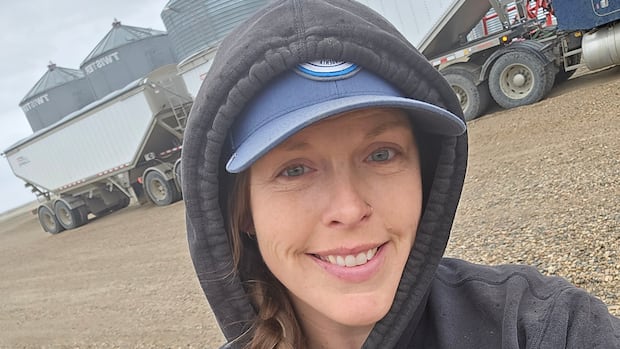
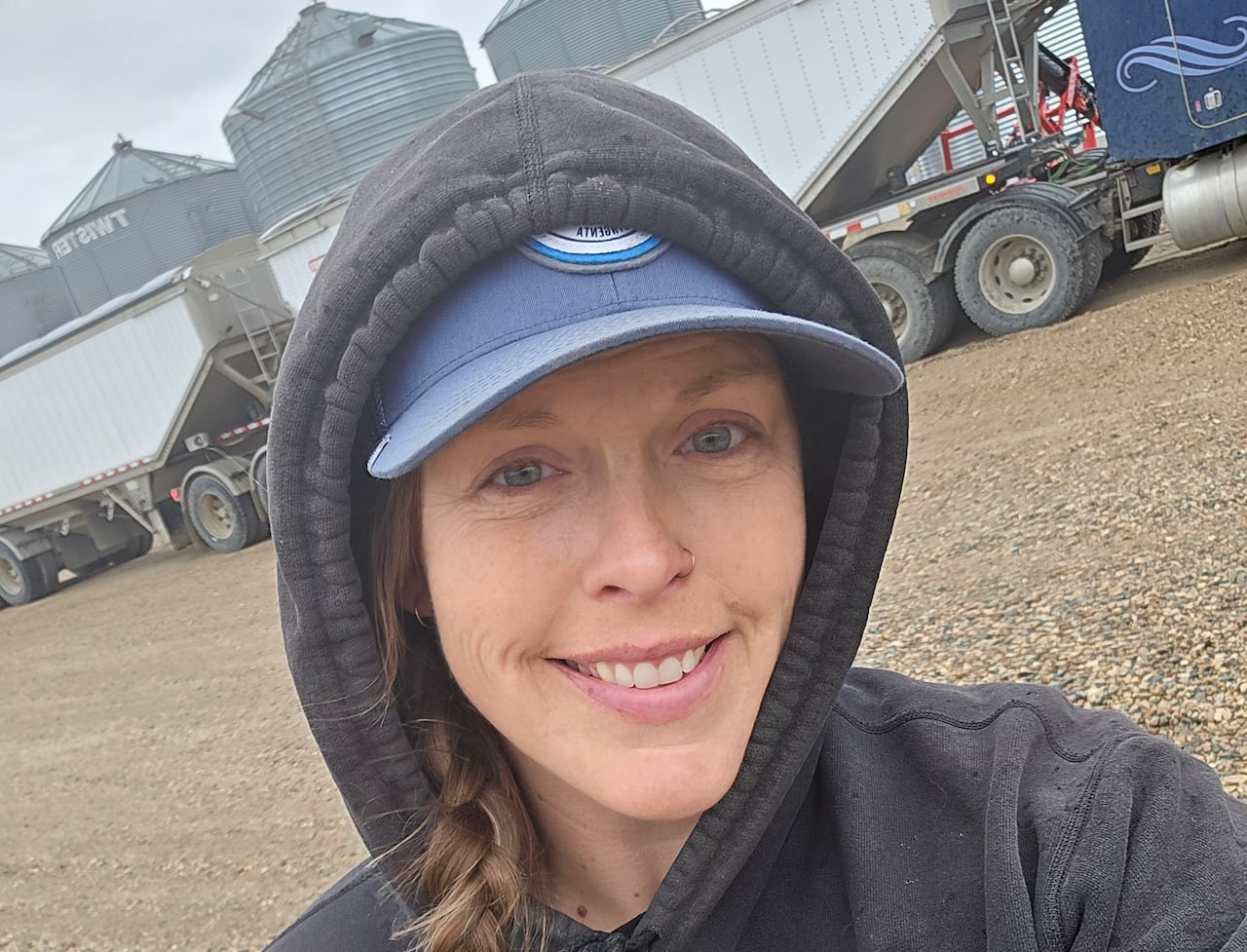 Sarah Leguee says she’s behind her usual timeline for harvesting. (Submitted by Sarah Leguee)
This has come at the end of a difficult summer, with wet weather in June, dryness in July and now rain during harvest, Leguee said.
“Honestly, we don’t even really know what normal is anymore because it’s different every year. But this harvest has definitely been a struggle.”
Farmers are coping with rain and hail that has affected crops after a difficult summer, leading to financial loss and unpredictability.
The provincial government’s crop reports say producers have harvested less than half of what they usually do by this time of year: 18 per cent of crops are in the bin, which is down from the five-year average of 39 percent.
The federal AgriStability program is becoming more flexible to accommodate losses to crops and livestock due to the weather.
It has extended the deadline for the 2026 program to Oct. 1 for anyone who didn’t sign up by the April deadline.
WATCH | Rain delays in harvest make challenging year for farmers even worse: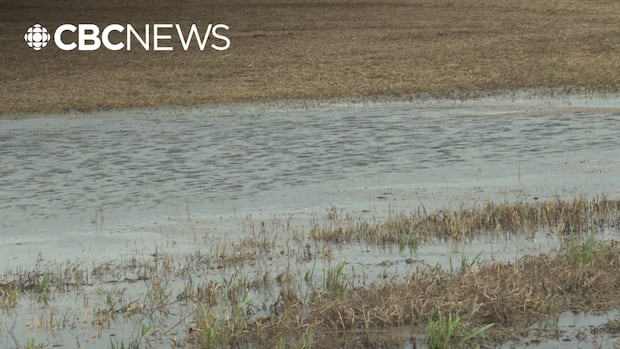
Rain delays harvest across Saskatchewan
Significant rainfall has delayed the harvest and has the potential to damage crops, reducing grades and profits. Farmers also face tariffs on parts and machinery, and a 60 percent hike in fuel costs.
The interim payment rate is now 75 per cent of the estimated final benefit, as opposed to 50 per cent.
Harvest at ‘a stand-still’
Davidson Ugheoke, an agrologist with the provincial government, said it’s hard to know the impact while only some of the harvest has taken place.
“I wouldn’t pinpoint and say this was the most severe, but this affects harvest significantly. It delays it significantly.”
He said the main impact is that it’s currently not safe to drive machinery in the fields, so harvest will need to be delayed.
“I would like to emphasize the need for safety while using this equipment on the field. Go ahead and scout, check your field conditions before you put your heavy equipment on the field,” he said.
WATCH | What’s with the rain? CBC Sask.’s meteorologist explains: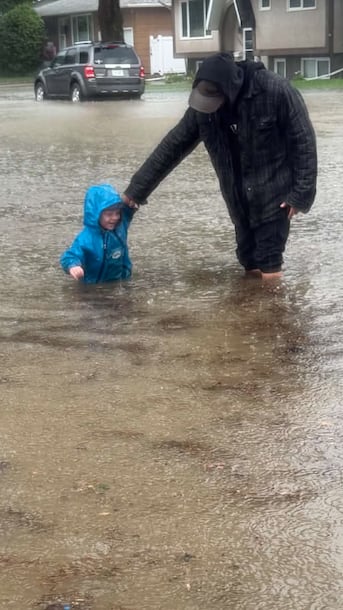
What’s with the rain? CBC Sask.’s meteorologist explains
Saskatchewan was hit hard by heavy rains during the September long weekend. CBC Meteorologist Allister Aalders explains what was behind the wet weather.
Ryan Scragg, reeve of the RM of Garden River northeast of Prince Albert, said the rain has delayed the harvest even more.
“It’s brought us to a stand-still. The fields are muddy, the yard’s muddy, the grain is tough, we can’t really do anything right now,” he said.
His operation started seeding late because of the May snowfall, Scragg said.
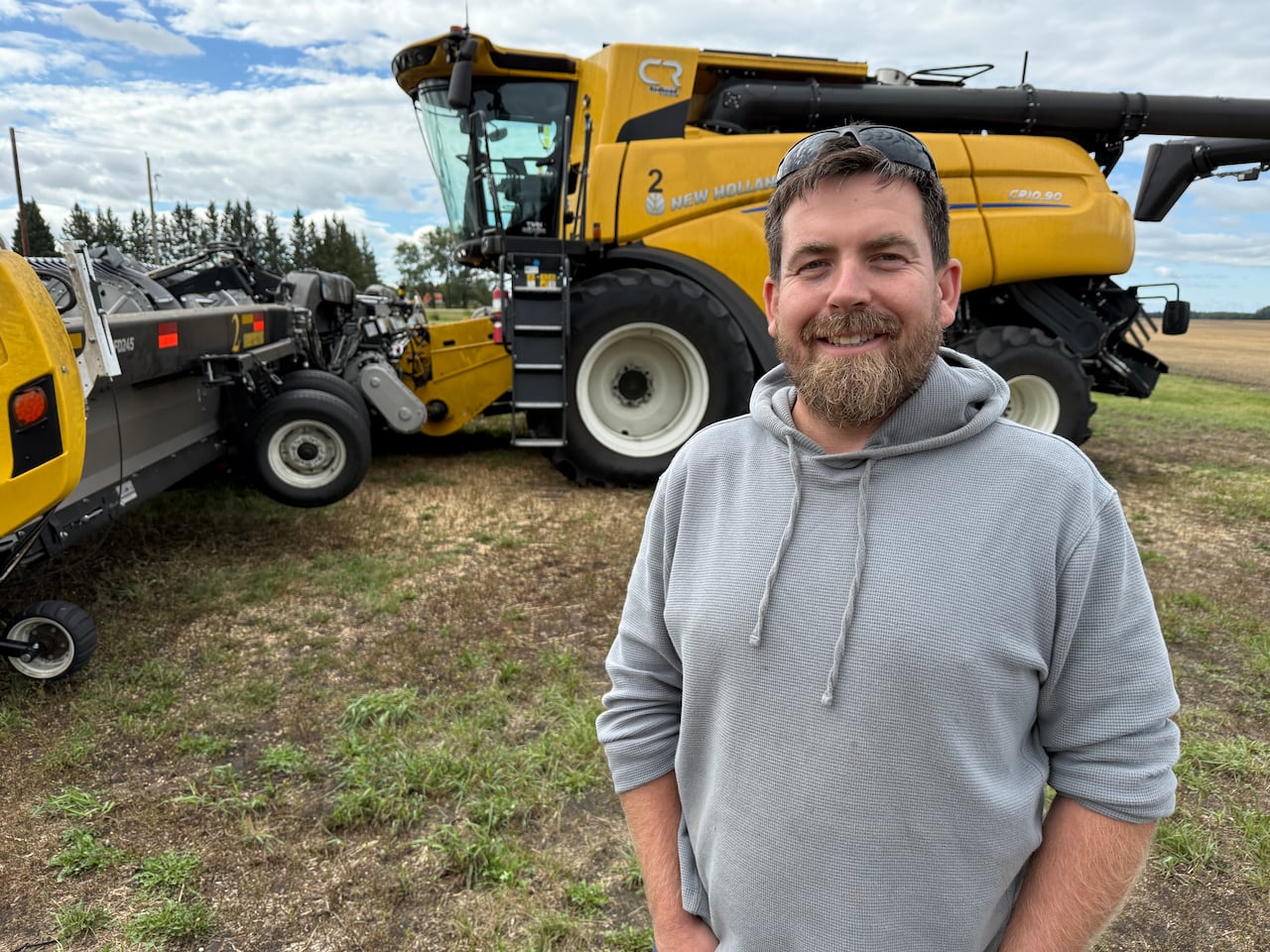 Ryan Scragg says the water has downgraded his crops and delayed when he can harvest them. (Lisa Risom/CBC)
“We were two weeks behind seeding, and so all season long we’ve been really that two weeks behind, so this pushes us even further back.”
He hopes to get back out in the next three or four days. In the meantime, he’s worried about the financial hit, he said.
“When you get wet crops, you drop grades, and grades are money.”