
Human Rights Watch on Wednesday raised concerns surrounding Hezbollah’s alleged unlawful use of cluster munitions in attacks on Metula in northern Israel on March 4 and March 15, 2026, calling for an independent investigation into the attacks.
HRW researchers visited Metula in May, interviewed four witnesses and examined impact sites, photographs and video evidence; however, neither attack caused civilian casualties. Hezbollah acknowledged rocket attacks on both dates but denied using or possessing cluster munitions.
The March 4 strike hit a residential street after which the investigators identified seven craters consistent with submunition impacts; a resident said the military counted about 50. On March 15, footage showed roughly 30 small explosions near the town’s entrance, where a witness said that residents were instructed to remain indoors for 24 hours while soldiers cleared explosives.
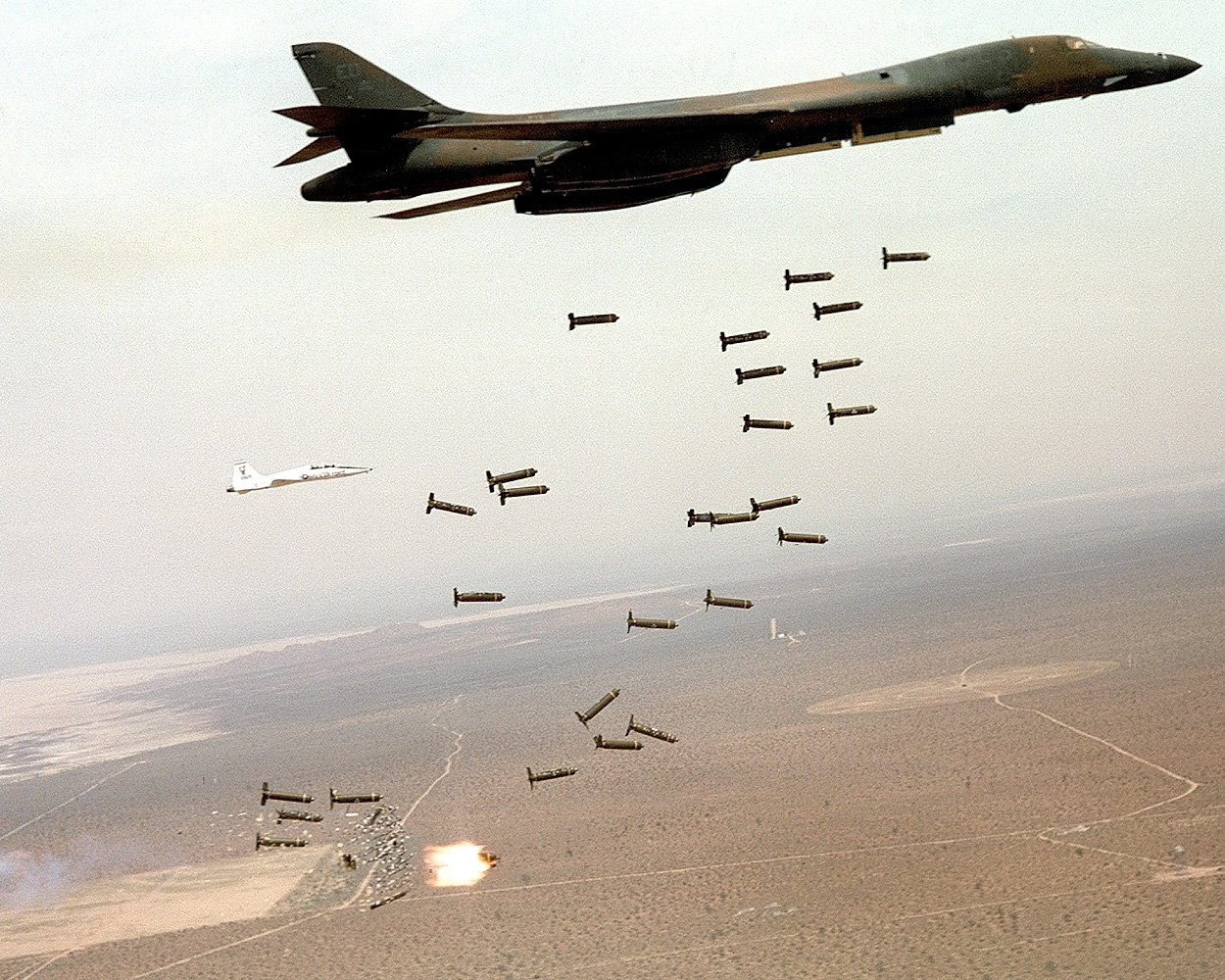
“The use of cluster munitions in civilian areas is a flagrant violation of international law,” HRW researcher Patrick Thompson said, commenting on the situation. He further said that their use could amount to a war crime since cluster munitions open in the air and scatter smaller explosive devices across a broad area, with some failing to detonate, leaving behind hazards that can kill or injure civilians years later. The International Committee of the Red Cross (ICRC) has warned that these remnants endanger people rebuilding homes, farming land and clearing rubble after hostilities have ended.
Article 1 of the 2008 Convention on Cluster Munitions prohibits States Parties from using, producing, acquiring, stockpiling or transferring the weapons, or assisting anyone in prohibited activities. Lebanon ratified the convention on November 5, 2010, while Israel still remains a non-party. Moreover, Articles 3- 5 require states parties to destroy stockpiles, clear contaminated areas, and assist victims.
Under Article 9, states parties must adopt measures, including criminal penalties, to prevent and suppress prohibited conduct by people or on territory under their jurisdiction or control. The prohibition on indiscriminate attacks applies independently of the treaty banning cluster munitions. In this respect, international humanitarian law requires parties to distinguish military objectives from civilians and civilian property and take feasible precautions to prevent civilian harm.
In an April 24 briefing, the UN human rights office described Hezbollah attacks with allegedly unguided rockets targeting Israeli residential areas. Its investigation also documented Israeli strikes that destroyed residential buildings in Lebanon, killed entire families and struck medical personnel. Separately, the Cluster Munition Monitor 2026, which recorded at least 1,063 people killed or injured by cluster munitions worldwide in 2025, was released a day prior on Tuesday. It was further provided that, among casualties whose civilian status could be determined, 87 percent were civilians.