
The most influential nation in the Arab and Islamic worlds is becoming a focal point for the Middle East crisis as Saudi Arabia contends with a multi-front campaign being waged by Iran and its Axis of Resistance allies.
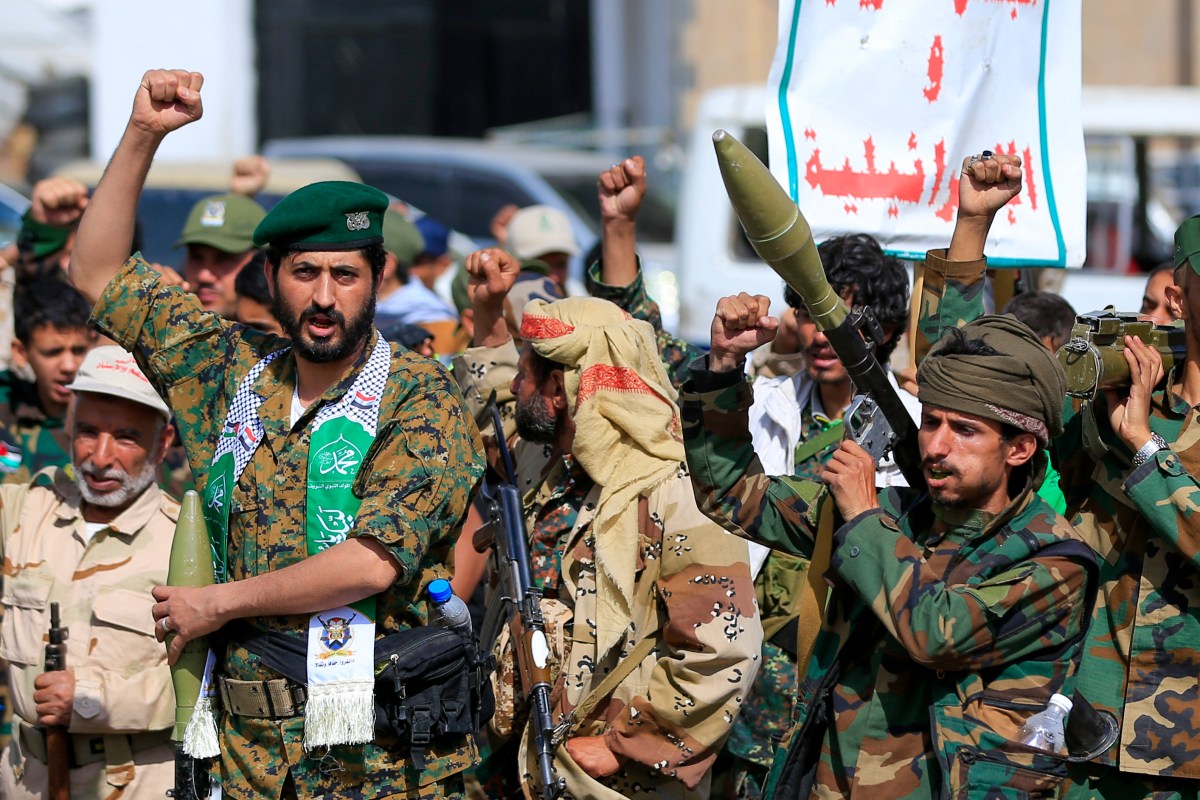
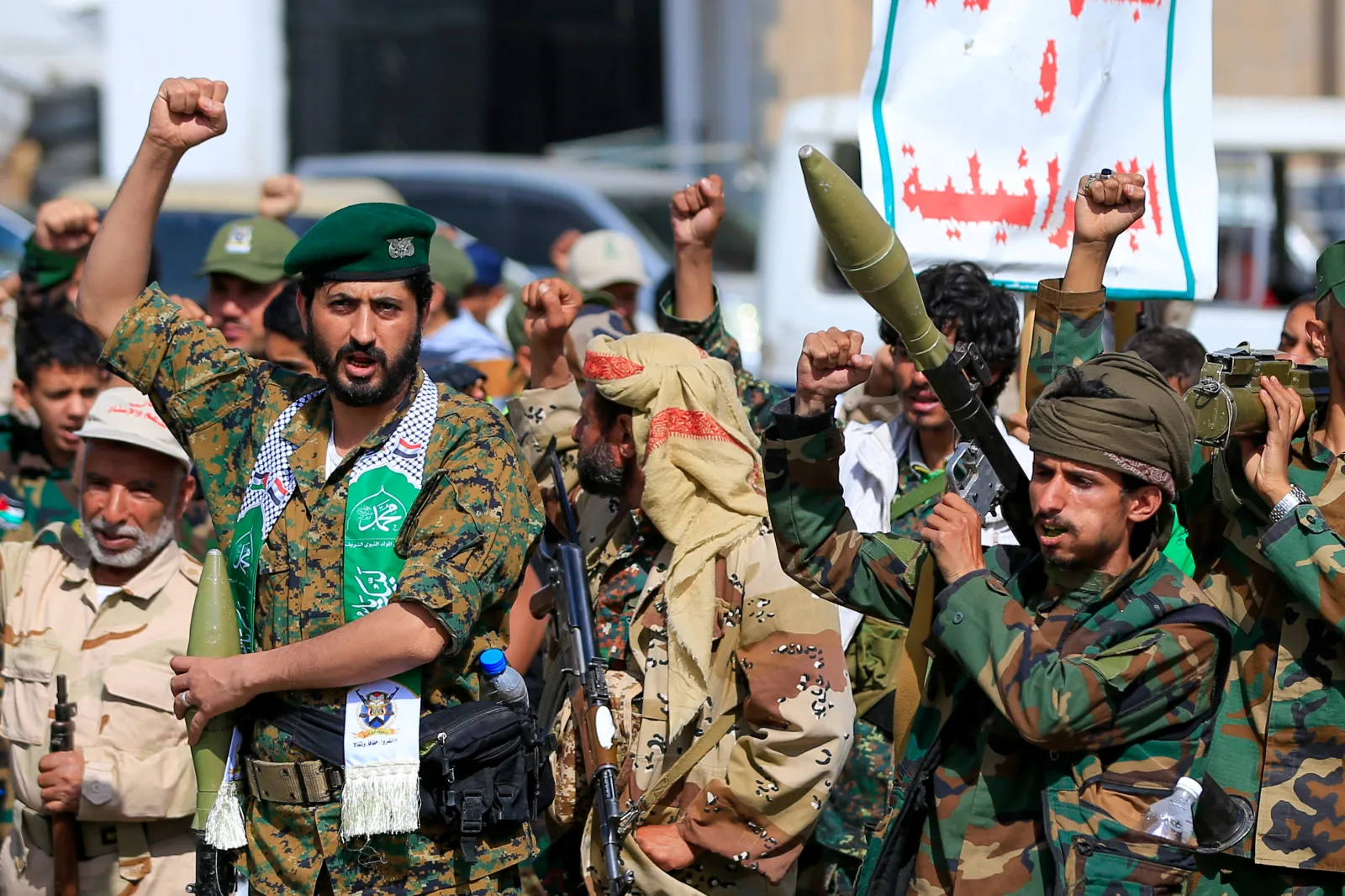
Since the U.S. and Israel launched the war against Iran on February 28, Saudi Arabia has faced attacks from Iran, Iraqi militias operating under the banner of the Islamic Resistance in Iraq and Yemen‘s Ansar Allah, also known as the Houthi movement.
In recent weeks, the southern front has proved especially volatile as Ansar Allah stepped up cross-border attacks against the Kingdom while simultaneously gaining ground against Riyadh-backed local government forces in some of the most intensive clashes since an April 2022 ceasefire halted Yemen’s civil war.
Read More on News
The escalation threatens to further expand the conflict, with Pakistan signaling that it intends to make good on the mutual defense pact signed last month with Saudi Arabia, along with Turkey. The United States and Israel also have a record of striking Yemen in response to the initial missile and drone campaign unleashed by Ansar Allah in response to the outbreak of the war in Gaza in October 2023.
With Ansar Allah now seizing the port of Mokha, Ahmed Nagi, senior Yemen analyst at the International Crisis Group, on Thursday called the move “a major game changer” that brings the group closer to the Bab el-Mandeb Strait, a crucial alternative to the Strait of Hormuz chokepoint, through which trade is already disrupted due to Iranian attacks.
“For Saudi Arabia, this means its national interests are facing greater risks,” Nagi told Newsweek. “Riyadh basically has two broad options. It can accept the new reality and return to the political track, including addressing some of the Houthis’ demands, but that could weaken its position.
“Or it could opt for some form of military escalation. But that would be costly. It would require significant resources, effort and forces, and it would not be easy. So, there are really no easy options for the Saudis.”
How the Crisis Unfolded
Saudi Arabia’s track record of intervention in Yemen also indicates no guarantee of success.
Riyadh struggled to aid royalist allies against an Egypt-backed republican uprising in the 1960s, ultimately recognizing a more moderate version of the revolutionary government that emerged in 1970. When Saudi Arabia took an even more direct approach to confronting Ansar Allah’s takeover of Sanaa 55 years later, coalition airstrikes helped to stall the insurgency’s advance but left the group in control of nearly one-third of the country and up 80 percent of its population by the April 2022 ceasefire.
The truce would prove resilient, surviving some of the worst turmoil the Middle East has experienced in generations.
Even after Ansar Allah began a campaign of attacks against Israel and international shipping following Hamas’ October 7, 2023, attack on Israel, Yemen’s internal frontlines remained largely dormant.
The most significant changes on the ground prior to the latest flare-up actually came in the form of clashes between Saudi-backed government forces and southern separatists supported by the United Arab Emirates, in which Riyadh’s ally came out on top earlier this year.
The joint U.S.-Israeli war on Iran has marked an even more significant test, however. Tehran’s retaliation has included strikes across Middle Eastern countries hosting U.S. military bases, including Saudi Arabia and other Gulf Cooperation Council (GCC) member states.
But it was not until a Saudi airstrike hit Sanaa International Airport ahead of an Ansar Allah delegation returning from Tehran in July that simmering tensions in Yemen once again came to a head with renewed ground skirmishes and both Ansar Allah and Saudi Arabia trading direct strikes.
Traditionally, Saudi Arabia would look to the U.S. for support, yet the White House is already locked in a deepening confrontation with Iran, leaving room to make a good on an alternative framework.
“A new regional security architecture is already taking shape, and Saudi Arabia is becoming its center of gravity,” Nawaf Obaid, a former special adviser to two Saudi ambassadors and consultant to the Saudi Royal Court, told Newsweek.
“The Mecca Accord is not a Houthi pact; it is the foundation of a much larger hard-security framework linking Saudi Arabia, Pakistan and Türkiye for the post-war Middle East. Pakistan provides strategic mass, Türkiye provides military and maritime depth, and Saudi Arabia provides the political, economic and geographic core around which the system is being built.”
But the coalition, he argued, “is designed for something much bigger than Yemen: to deter Iranian coercion, constrain Israeli strategic adventurism and reduce the region’s dependence on a single external security guarantor.”
Both Sides Prepare to Escalate
Yet Saudi Arabia’s centrality to the emerging order in the Middle East also makes it a major target.
“Saudi Arabia has spent years and hundreds of billions transforming its economy, and it cannot allow that transformation to be permanently exposed to missile and drone blackmail from its southern border,” Obaid said. “The Houthis are not just a Yemeni problem; they are a direct threat to Saudi cities, infrastructure, investor confidence and the economic transformation the Kingdom has spent over a decade building.
“If Iran wants to inflict maximum pain on the world economy, Saudi Arabia is the indispensable target: it is the world’s largest crude exporter, the central power in OPEC and the producer with the greatest spare capacity.”
The goal now, he said, “is to degrade the Houthis’ military capability to the point where they can no longer coerce Saudi Arabia, destabilize Yemen or threaten international shipping and global energy flows; anything short of that simply preserves the problem.”
Should Riyadh opt to escalate with the help of its historic security partner, the U.S., which is already locked in a deepening confrontation with Iran, or its new trilateral Mecca Accord allies, Pakistan and Turkey, Ansar Allah also has options to inflict greater pain.
“If any attacks will be conducted by Saudi and the U.S. and Pakistan against Yemen, I believe that Yemen for sure will close the Red Sea for all the shipping belonging to these countries, either military or commercial,” Sanaa-based journalist Hussein Albukhaiti told Newsweek. “But they could also block the entire Red Sea exactly as Iran did in the Persian Gulf, because the Red Sea is one of our main weapons.
“If this happens, at the same time, Yemen will also launch a major attack against Saudi Arabia, not only targeting Aramco in some areas, but they might also target the entire infrastructure of Saudi Aramco and airport and ports, and also they might launch a ground attack against Saudi Arabia in Najran, Jizan and Asir as well.”
Albukhaiti warned that Ansar Allah would also answer in kind in the event of Pakistani or Turkish entry into the conflict and expressed confidence that Ansar Allah would wreak unprecedented destruction across the Kingdom.
“I can tell you that Yemen, if they decide tomorrow to burn out or to destroy all Saudi oil and gas infrastructure, they could do that with a touch of a button. They could do it within 24 hours,” Albukhaiti said. “This could actually damage and threaten the stability of Saudi Arabia. And the solution to stop all that is that Saudi must stop its aggression and blockade and army build-ups in Yemen.”
Newsweek has reached out to representatives of Ansar Allah and Saudi Arabia for comment.
Tough Questions for the Kingdom
Already, Saudi Arabia is feeling the shock brought on by the region’s turmoil arriving within its borders.
As Kristian Ulrichsen, fellow for the Middle East at the Baker Institute and co-director of the Middle East Energy Roundtable, told Newsweek: “Saudi oil production has now fallen to its lowest level since 1990 and exports have fallen to their lowest level in 13 years.”
The closure of the Bab el-Mandeb Strait and Red Sea access would only compound the domestic fallout.
And there’s another element to the challenge. A prolonged conflict may undermine the landmark Vision 2030 plan through which Saudi Crown Prince Mohammed bin Salman has sought to transform his country.
“The prospect of renewed Houthi attacks on Saudi infrastructure and civilian targets threatens the Vision 2030 project of economic development, particularly the drive to develop tourism and sports as major sectors,” Ulrichsen said.
“It is not clear whether the preferred Saudi response of increasing the funding and arming of Yemeni groups controlled by the internationally recognized government will be sufficient to deter or defeat the Houthis, and should those efforts fail, it is not yet clear what the next step will be.”
Contact Newsweek editors on this story: Tom O’Connor and Dave Siminoff.